A Seat Sensor Is Defined by Its Installed Load Path
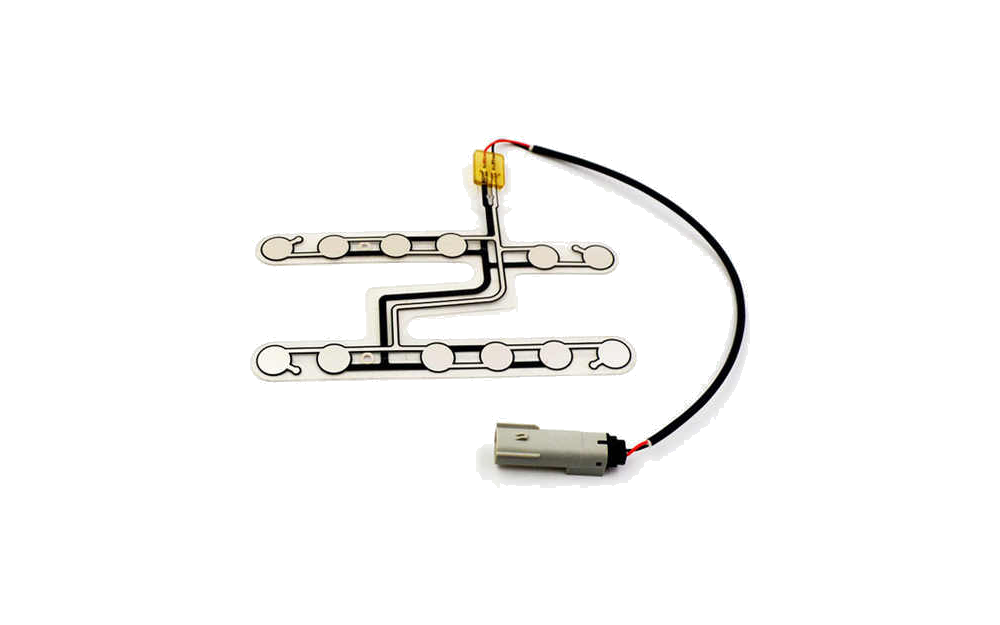
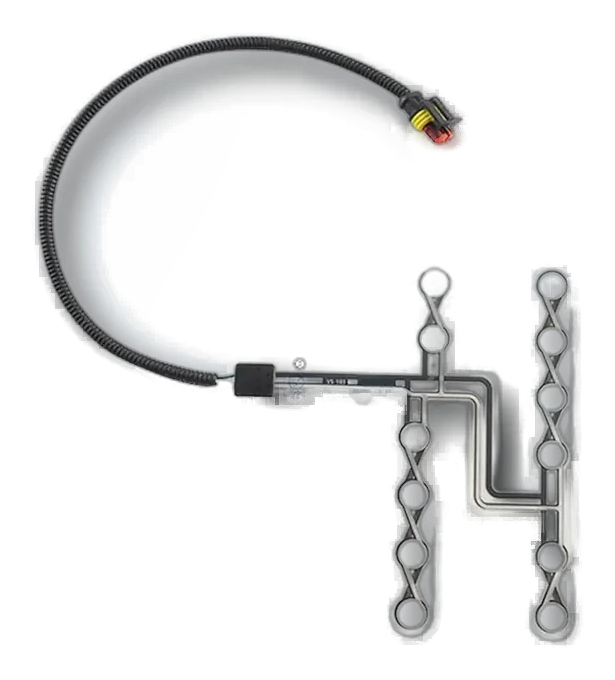
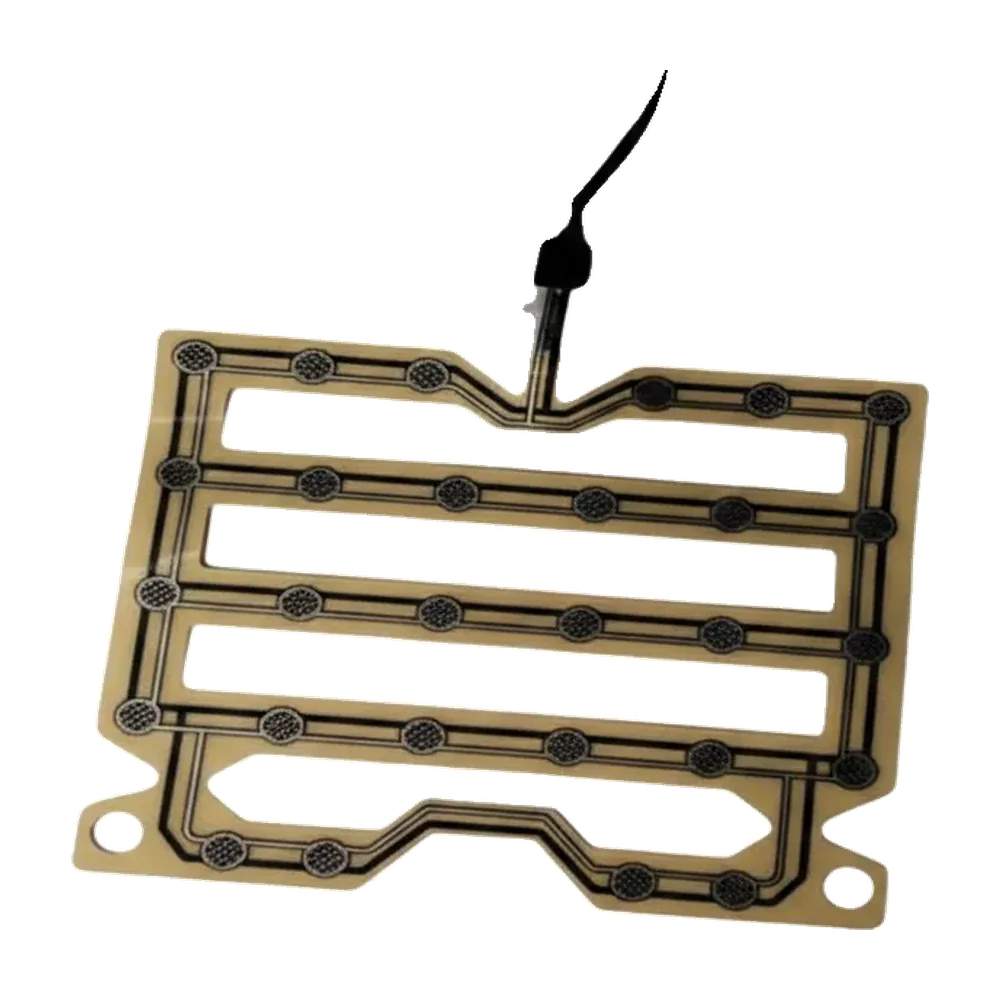
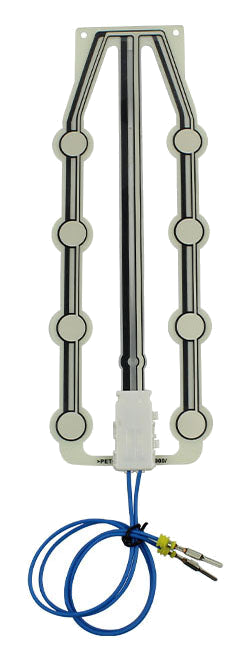
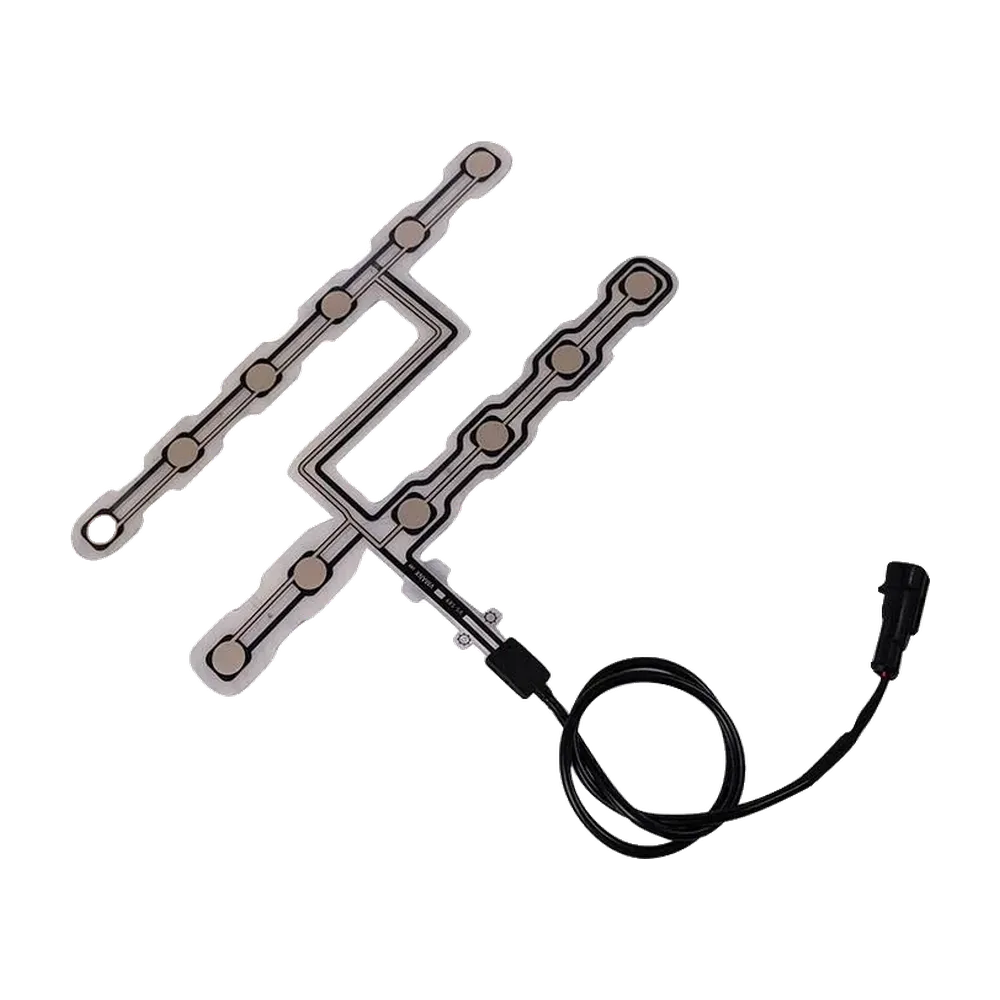
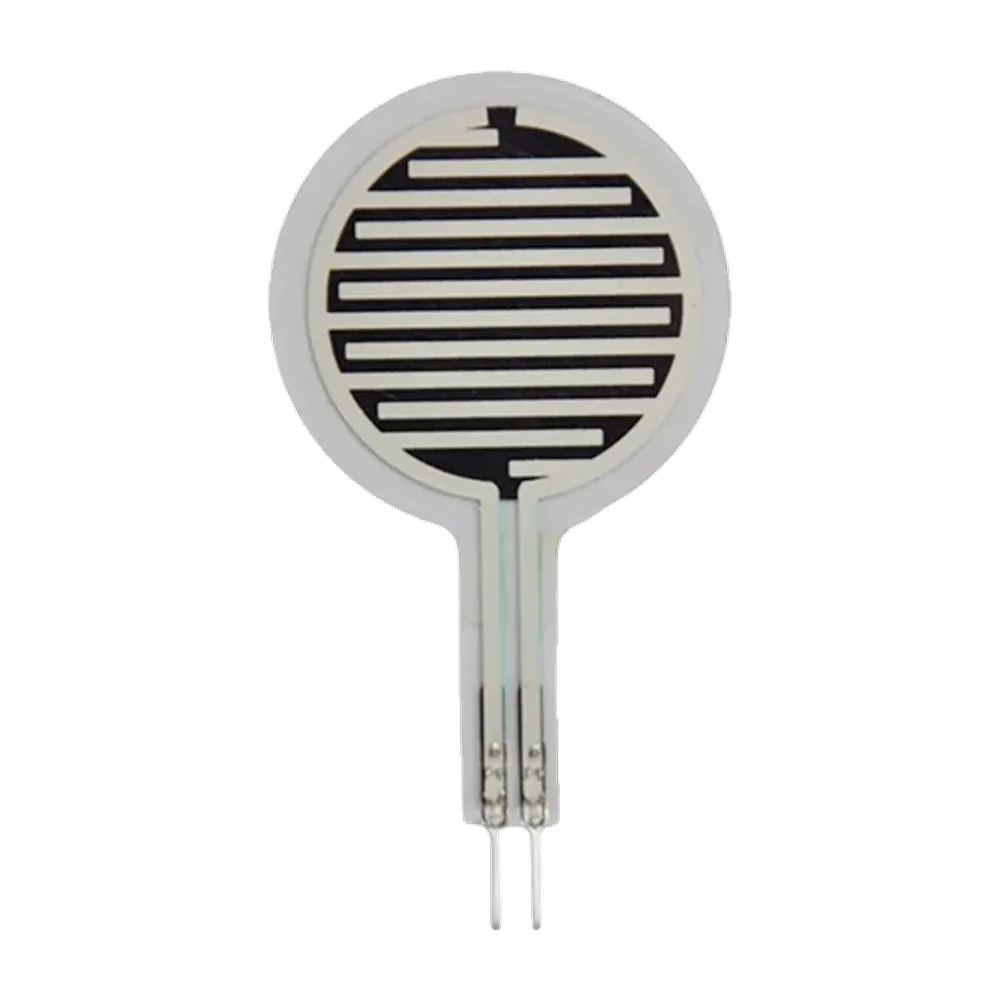
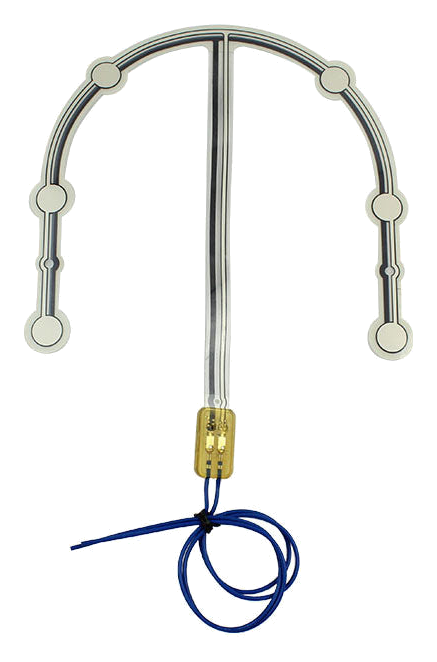
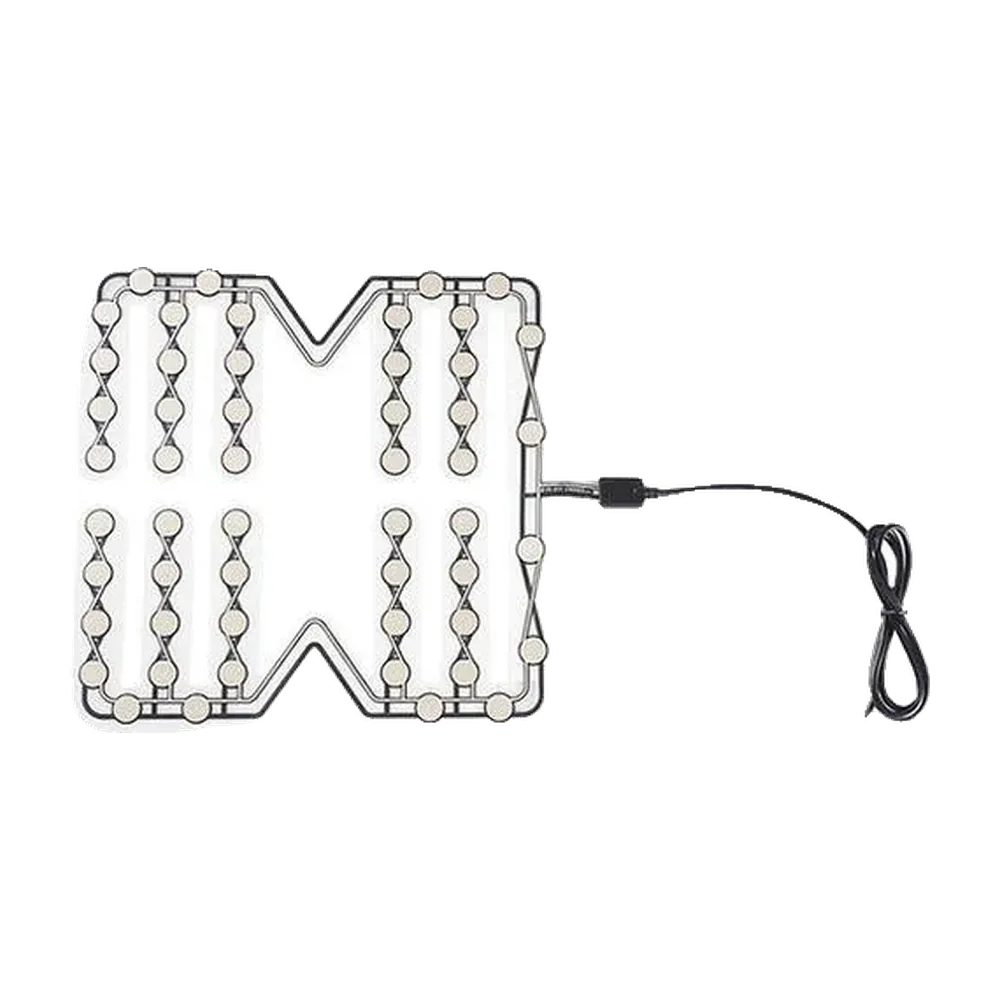
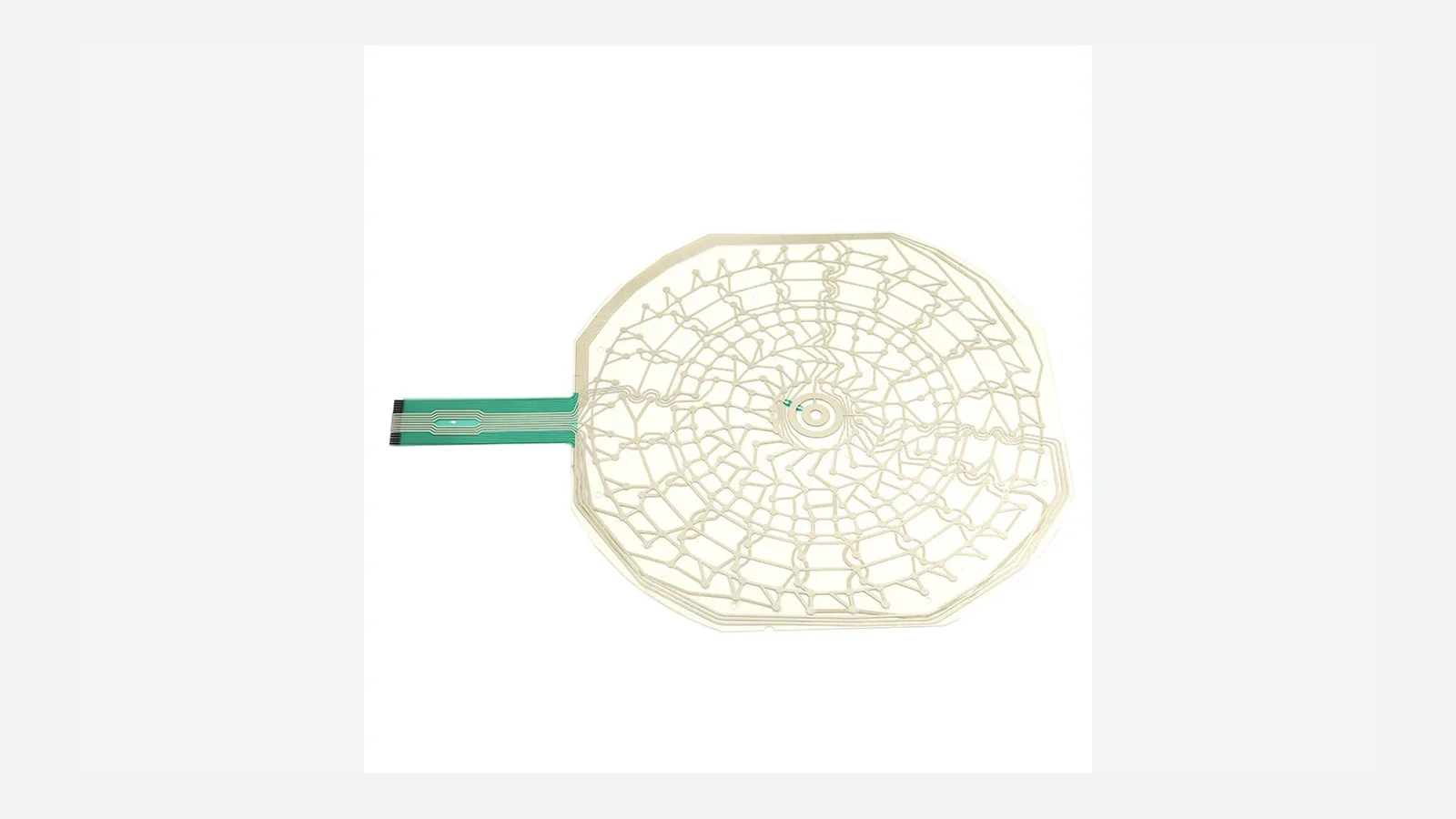
A car seat occupancy sensor is a pressure, contact, or resistance-responsive component installed within a seat assembly. The cushion, foam, upholstery, support surface, occupant posture, preload, and cable route all influence what the sensor experiences.
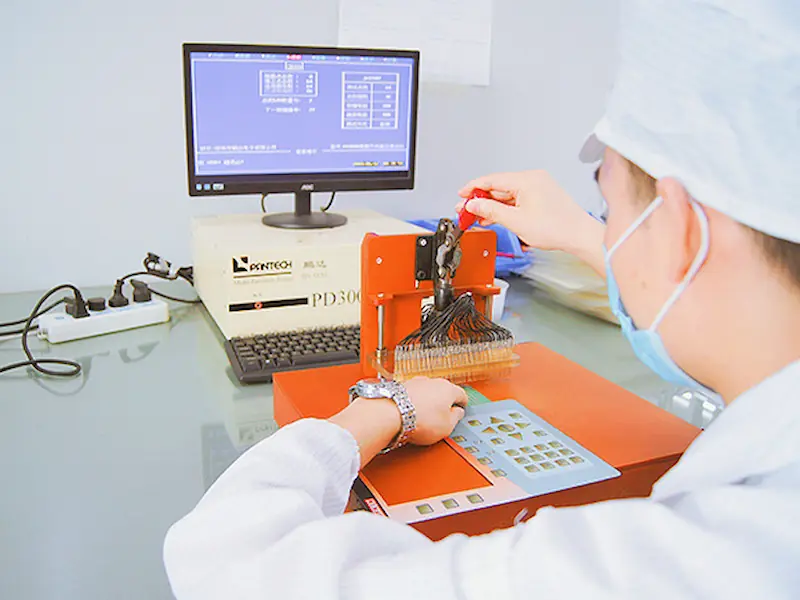
JASPER supplies the custom sensor mat, printed circuit, tail, lead, connector, and component-level manufacturing evidence described by the released drawing. The OEM, Tier 1, or system owner remains responsible for the ECU, classification or reminder logic, calibration, diagnostics, seat integration, vehicle tests, and regulatory documentation.
The useful RFQ question is not simply whether a sensor detects weight. It is which seat state must be recognized, where the repeatable load reaches the cushion, what signal the electronics expect, and how that condition will be validated in the actual seat.
Custom seat sensor projects fit when:
- a standard replacement part does not match the new seat geometry or harness route
- the sensing zone, outline, tail, connector, and component test can be released
- seat-level samples are available for occupied, empty, preload, and false-trigger review
- the customer owns the downstream electronics, logic, calibration, and vehicle validation