
Membrane Switch Products for Custom Control Panels
Use this product map to choose the correct interface construction before you send a drawing. The right choice depends on enclosure space, expected life cycle, sealing, illumination, tactile feel, and connector routing.
Product families
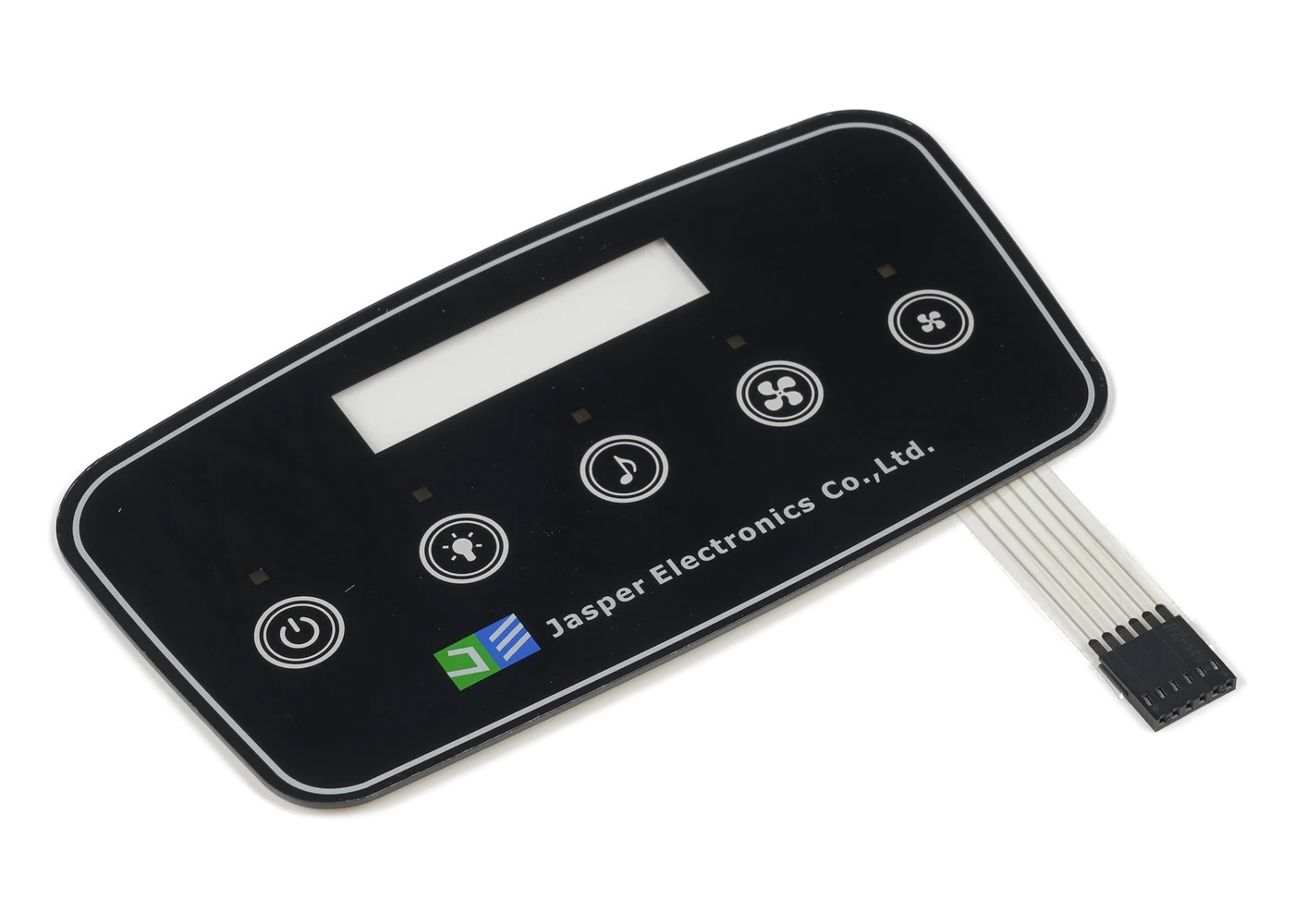
Membrane Switches
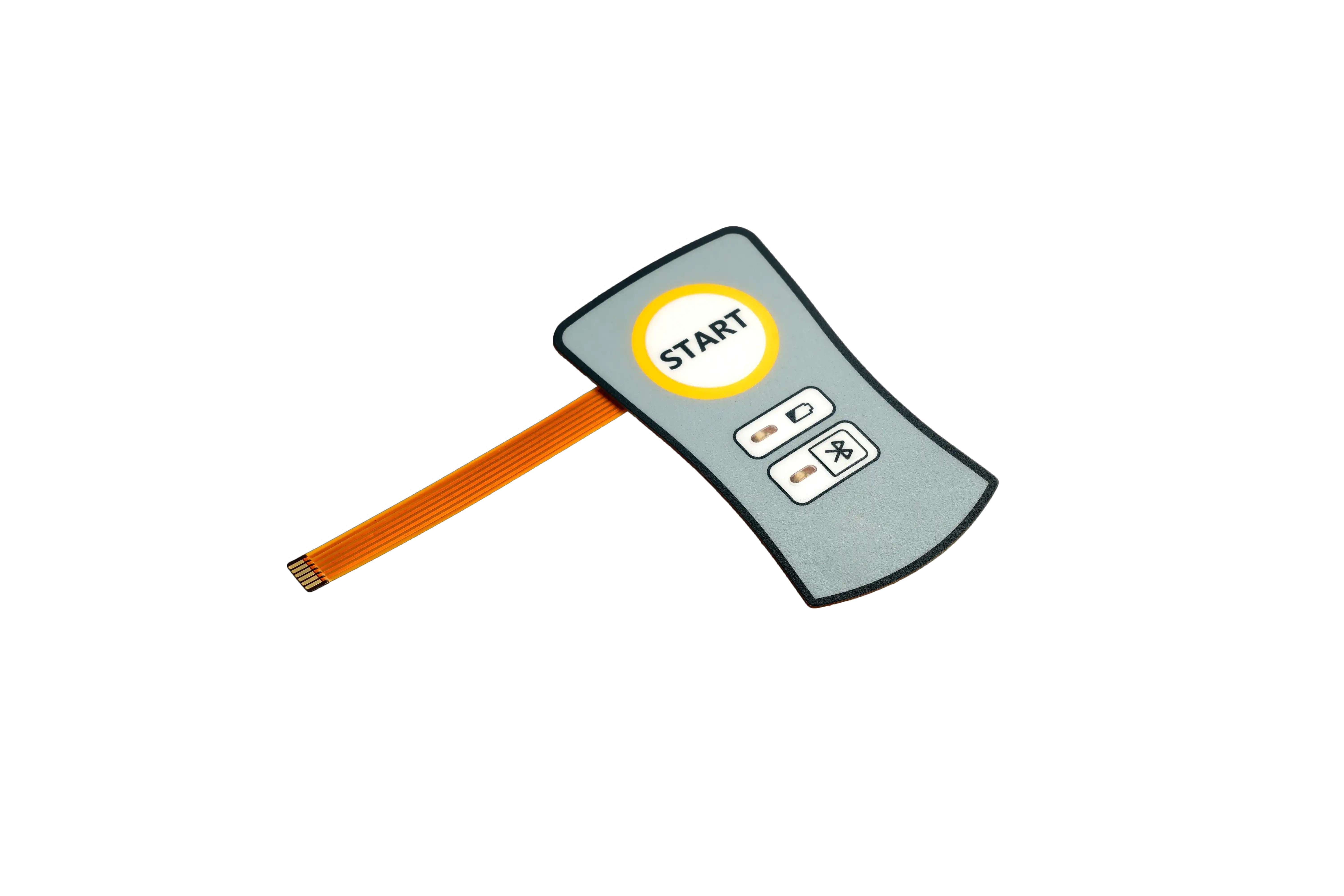
Custom multilayer switches with printed circuits, tactile feedback and optional backlighting.
Membrane Keypads
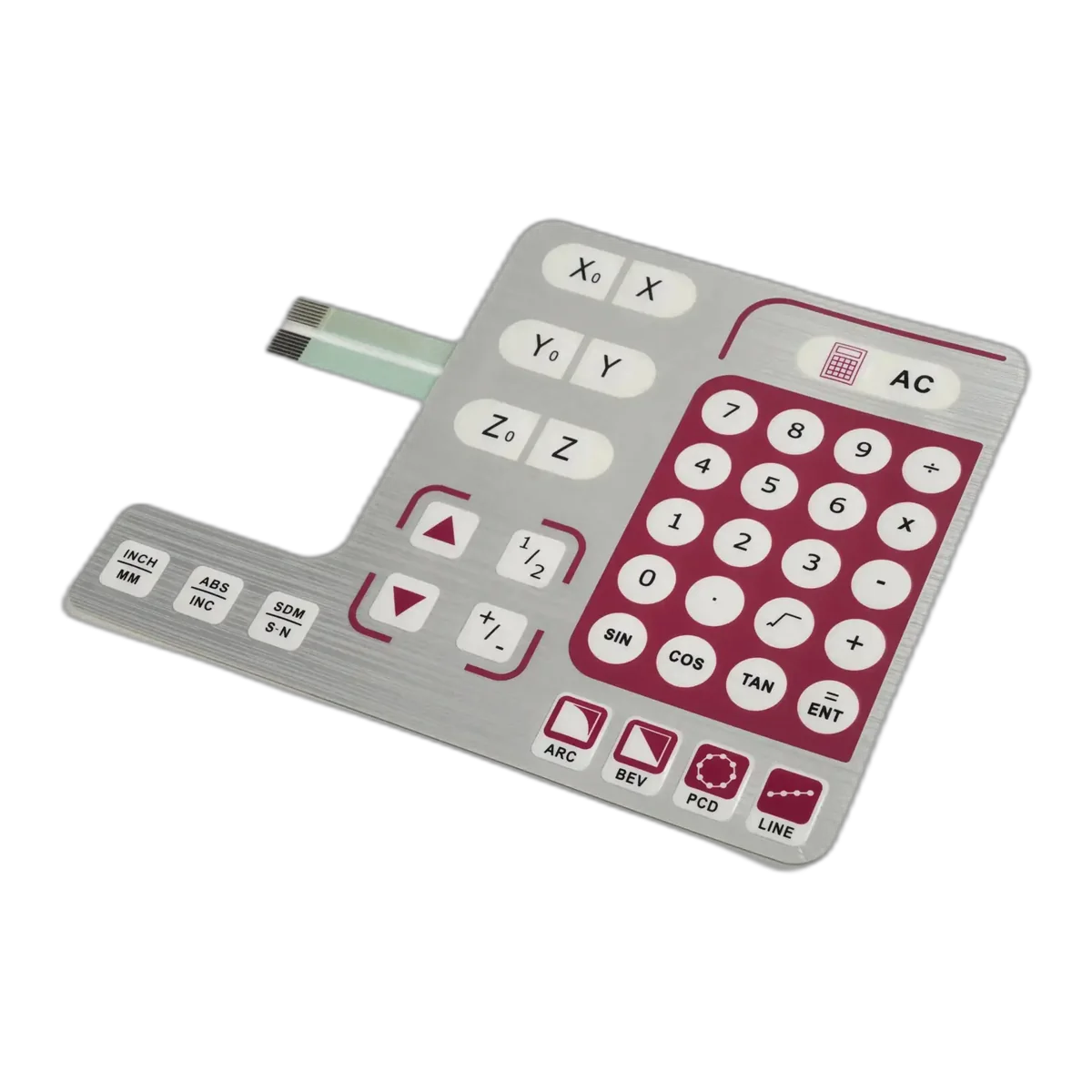
Compact keypad layouts with custom legends, key spacing and flexible circuit tails.
Graphic Overlays

Printed front panels with custom graphics, display windows and adhesive backings.
HMI Assemblies
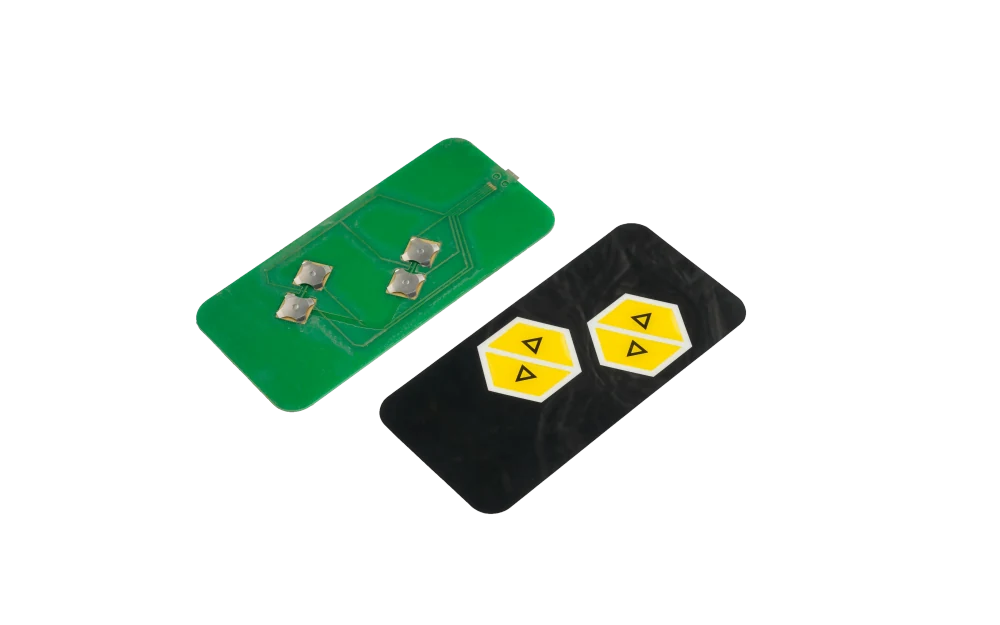
Integrated control panels combining switches, circuit boards, displays and mounting hardware.
Silicone Rubber Keypads
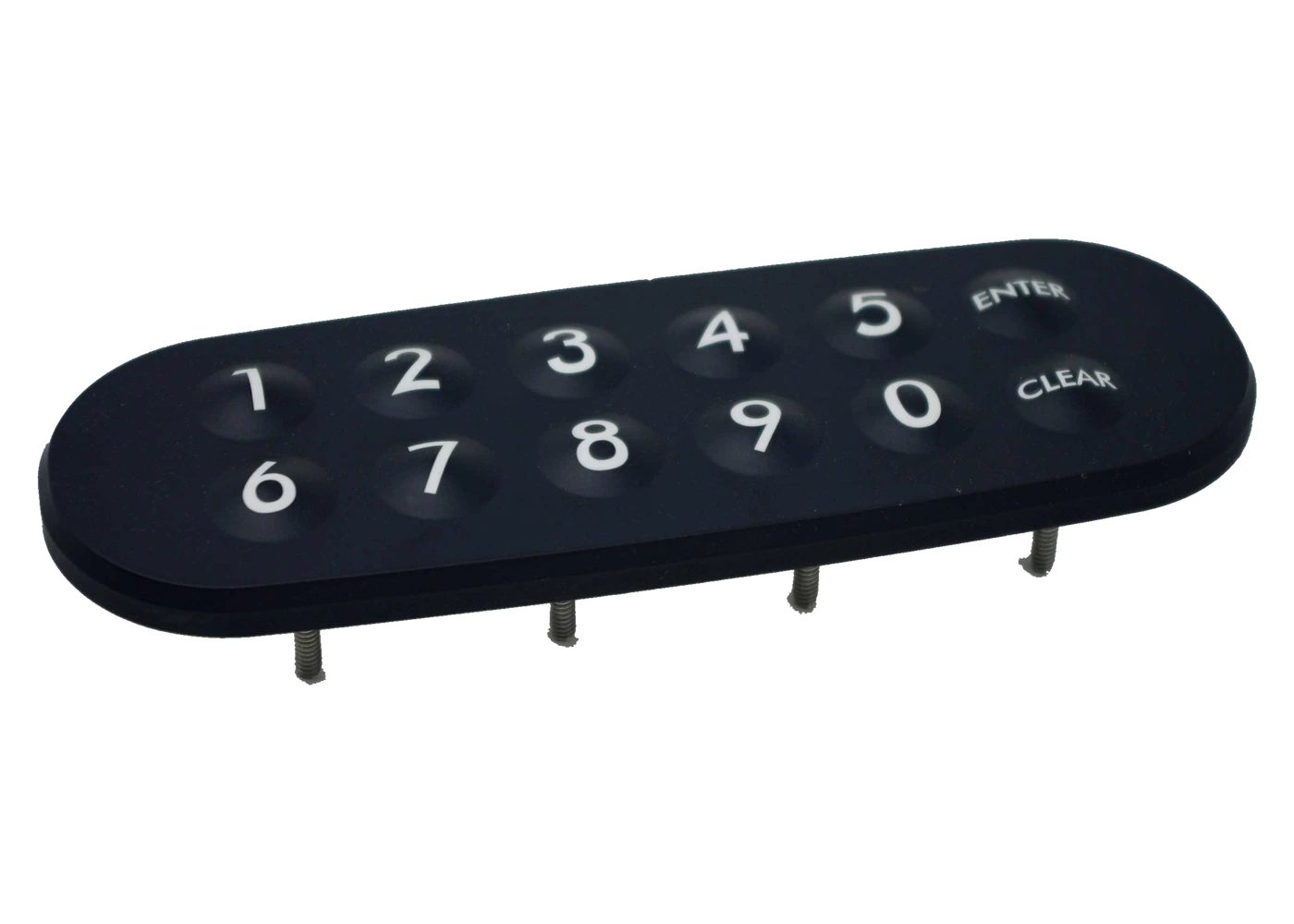
Molded rubber keypads with raised keys, conductive contacts and backlit legends.
Capacitive Touch Panels
Smooth touch interfaces with custom sensor layouts, cover lenses and controller options.
Medical Electrode Pads
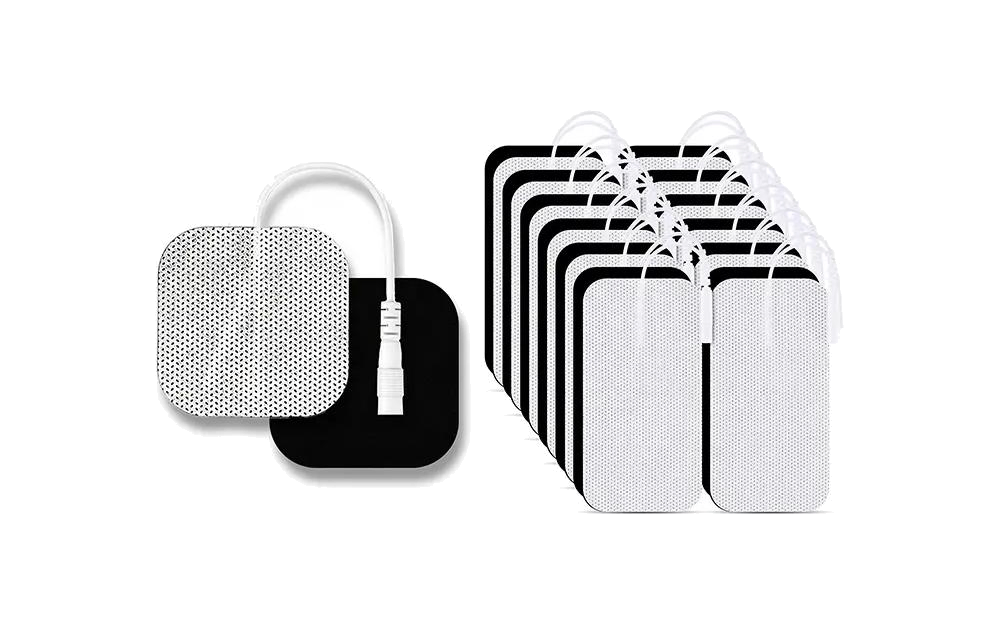
Custom printed electrodes and flexible arrays for medical monitoring and stimulation equipment.
PCB Assembly (PCBA)
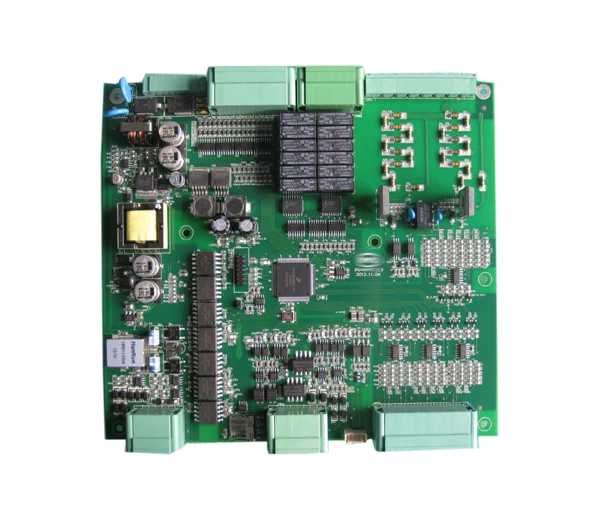
Populated circuit boards for OEM controls, with BOM review, component assembly and project-defined testing.
How to choose the first direction
Start from the operating environment and enclosure. The product name can change after review, but tail route, sealing, and user feel are harder to rescue late.
- sealed flat panel: membrane switch
- raised key feel: membrane keypad or silicone keypad
- clear printed face: graphic overlay
- smooth no-button control: capacitive touch panel
- ready-to-install interface: HMI assembly
Product comparison
| Service | Best Fit | Construction | Review Risk |
|---|---|---|---|
| Custom membrane switch | Thin sealed panels | PET/PC overlay, silver circuit, tail, connector | Tail routing, adhesive surface, dome force |
| Membrane keypad | Repeated key operation | Embossed overlay, metal domes, spacer venting | Key pitch, legend wear, dome life |
| Graphic overlay | Front-panel labeling and windows | PET/PC film, hard coat, screen print, adhesive | Window clarity, color, cleaner exposure |
| Silicone keypad | Molded travel and soft feel | Silicone rubber, carbon pill, coating, PCB pads | Web thickness, compression set, light bleed |
| Capacitive touch panel | Smooth sealed HMI surface | Sensor, controller, front lens, tail | Water, gloves, EMC, grounding |
| HMI assembly | Drop-in control module | Overlay, switch, PCB/FPC, hardware, cable | Assembly stack, test plan, serviceability |
| Medical electrode pad | Printed OEM electrode circuits | Flexible substrate, conductive sites and traces, converted layers, tail or connector | Geometry, material zones, electrical method, OEM validation boundary |
What to send for RFQ
Send a drawing before the design is locked.
For your membrane switch project, the useful review happens before tail exit, connector, adhesive, and artwork decisions become expensive to change.