
Technology confirmation
ControlDocument why FSR-type behavior is required and which alternative routes were considered.
Failure modeA binary seat-state project gains unnecessary complexity.
An FSR seat pressure sensor is appropriate only when the released sensing principle is force-sensitive resistor technology and the customer electronics can measure its response. A binary occupied or empty requirement may be better served by a contact-type membrane sensor.
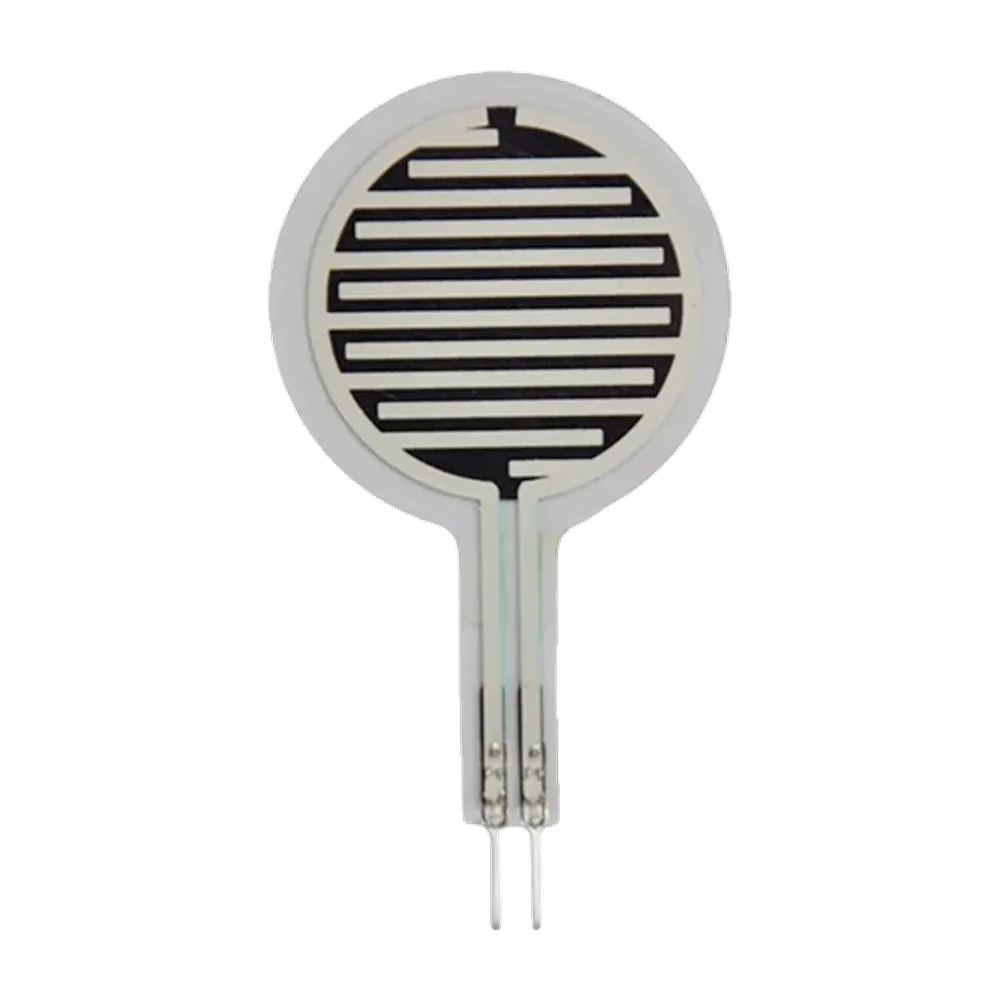
In an FSR-type design, applied force changes the electrical behavior of a force-sensitive resistor element. Customer electronics measure that behavior through a released circuit and interpret it according to their calibration and logic.
Not every seat occupancy sensor needs that complexity. If the required output is only a stable open or closed state, a contact-type membrane sensor may be easier to specify and validate.
JASPER can evaluate the printed FSR-type component, geometry, tail, connector, and component evidence. The customer owns signal conversion, calibration, classification, diagnostics, thresholds, and vehicle validation.
Force-sensitive response depends on the element, geometry, circuit, load method, and seat stack.
Document why FSR-type behavior is required and which alternative routes were considered.
Failure modeA binary seat-state project gains unnecessary complexity.
Release active pattern, electrode relationship, area, shape, tail routing, registration, and exclusions.
Failure modeNominal force reaches the element differently after tolerance movement.
Name excitation, readout, connection, timing, filtering boundary, instrument, and customer ownership.
Failure modeResistance data from one setup cannot be compared with another.
Define loading area, surface, rate, dwell, unload, cycles, conditioning, and sample support.
Failure modeA response curve is published without a reproducible input.
Relate fixture data to foam, trim, posture, preload, zone placement, and installed support.
Failure modeBench response does not predict occupied-seat behavior.
Assign component acceptance, electronics calibration, system thresholds, diagnostics, and vehicle decisions.
Failure modeSupplier component data is mistaken for a complete classification model.
A response claim is incomplete without the loading and measurement conditions.
| Decision | Options to Review | Release Question |
|---|---|---|
| Required behavior | Force-related response, event detection, range discrimination, multi-zone comparison, or project objective | Why is FSR preferable to a contact-type sensor? |
| Element geometry | Circular, strip, custom zone, array, interdigitated pattern, exclusions, or shaped seat layout | Where and how is force transferred into the active element? |
| Electrical method | Customer divider, measurement circuit, instrument, sampling, filtering, or project electronics | Which circuit and timing create the approved data? |
| Mechanical fixture | Defined platen, compliant layer, seat foam, cushion module, support, or complete seat | How is load area, rate, dwell, and unload controlled? |
| Interconnect | Printed tail, wire lead, reinforcement, connector, pinout, shielding need, and strain relief | How is the measured element protected through seat assembly? |
| Evidence boundary | Component curve, repeatability, seat correlation, calibration sample, or system validation | Which evidence belongs to JASPER and which belongs to the customer? |
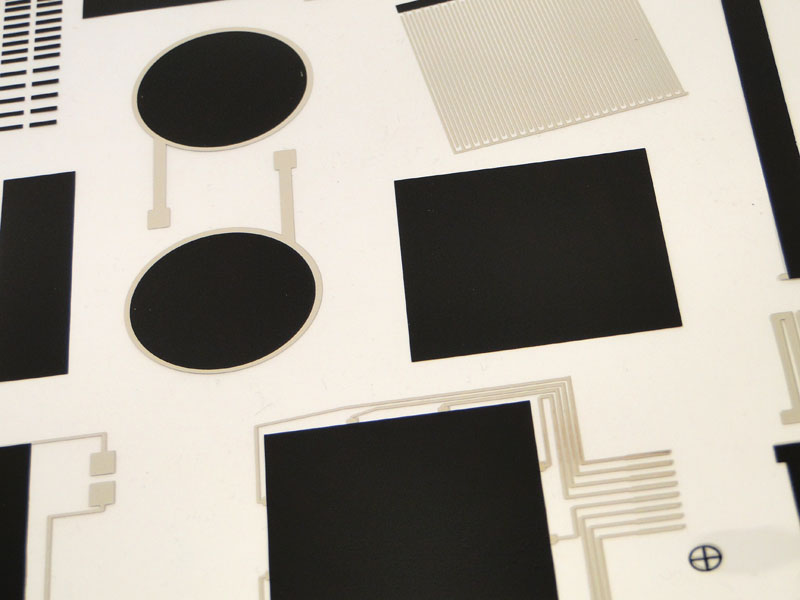
Element geometry, load area, compliant layers, rate, dwell, support, conditioning, measurement circuit, and sample history can all change the observed response.
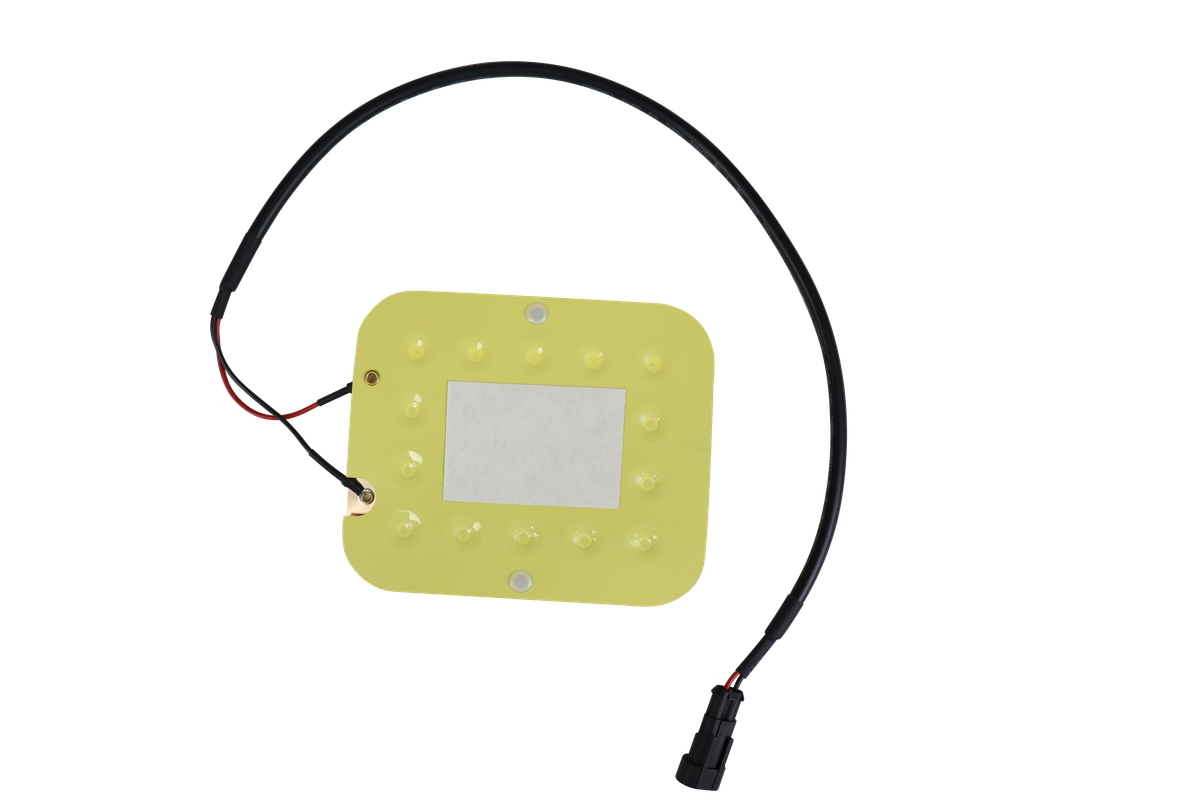
A contact-type membrane pressure sensor can provide a clear occupied or empty input without requiring a force-response curve. Choose from the actual electronics requirement and validation burden.
Review cushion section, foam behavior, upholstery tension, support, sensing zone, and installation boundary.
Release sensing principle, signal expectation, tail direction, cable protection, connector, and test access.
Check fit, false activation, occupied response, cable strain, connector fit, and repeatability in the real seat.
Lock drawing, material stack, circuit, connector, inspection, packaging, retained sample, and revalidation triggers.
Compare fixture, load area, rate, dwell, support, conditioning, circuit, instrument, and element revision.
Review foam, trim, posture, preload, sensor location, active area, support, and calibration method.
Inspect interconnect, connector, measurement circuit, grounding, movement, contact stability, sampling, and filtering boundary.
Evaluate project-specific time dependence, material state, load method, temperature, cushion behavior, and customer compensation.
FSR remains conditional on the confirmed signal requirement.
Customer electronics evaluate a defined FSR-type response from a named cushion zone.
Engineering samples correlate element response to controlled seat and occupant conditions.
Non-standard modules requiring a thin force-sensitive element and custom interconnect.
FSR-type input only when the customer architecture needs more than a switch state.
Custom printed sensors used in controlled development fixtures and seat samples.
The word FSR is not enough for quotation. Share how the element will be loaded, read, and correlated to the seat.
No. Occupancy sensors can use contact-type membrane sensing, FSR-type sensing, load-based methods, or other structures. The required output should choose the technology.
It may be better when the system only needs a stable occupied or empty state and does not require force-related response or calibration.
No universal curve is published. Geometry, material, load method, support, conditioning, circuit, seat stack, and calibration all affect the measured result.
Send the seat and sensing-zone drawings, reason for FSR, desired evidence, loading method, measurement circuit, connector, sample quantity, and validation ownership.
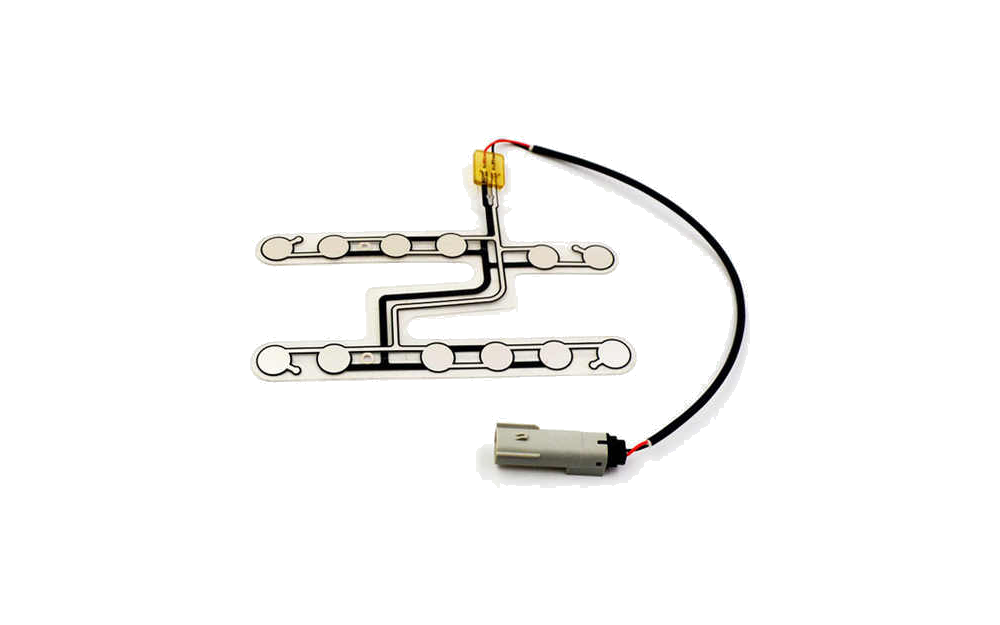
Return to the product family to compare FSR, contact, membrane, and application routes.
Review Resource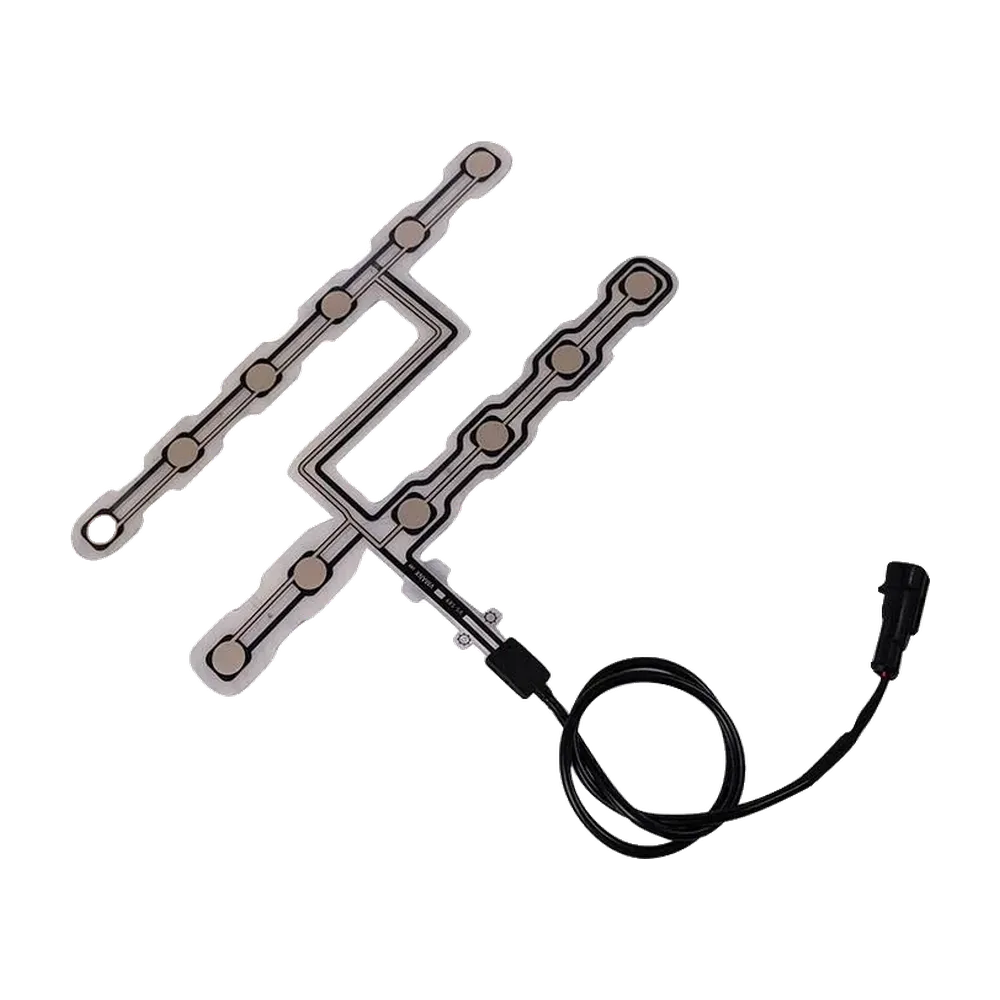
Review the wider printed-layer construction and contact-type alternative.
Review Resource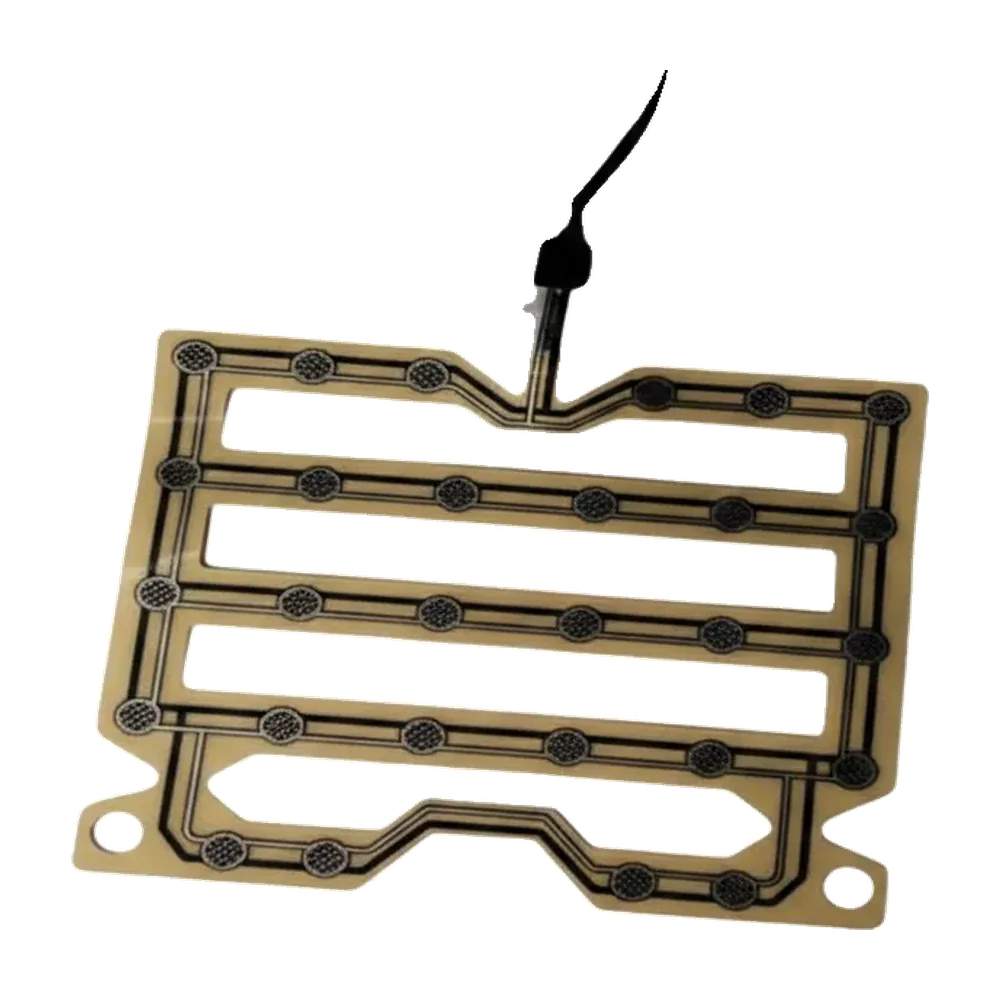
Connect the pressure response to the cushion load path and seat-level evidence.
Review ResourceJASPER can review the element geometry, printed construction, measurement interface, interconnect, component evidence, and seat correlation for a confirmed FSR-type project.
Share the project basics. JASPER will review the stack, materials, connector, quantity, and production risks.