
Custom Membrane Switches
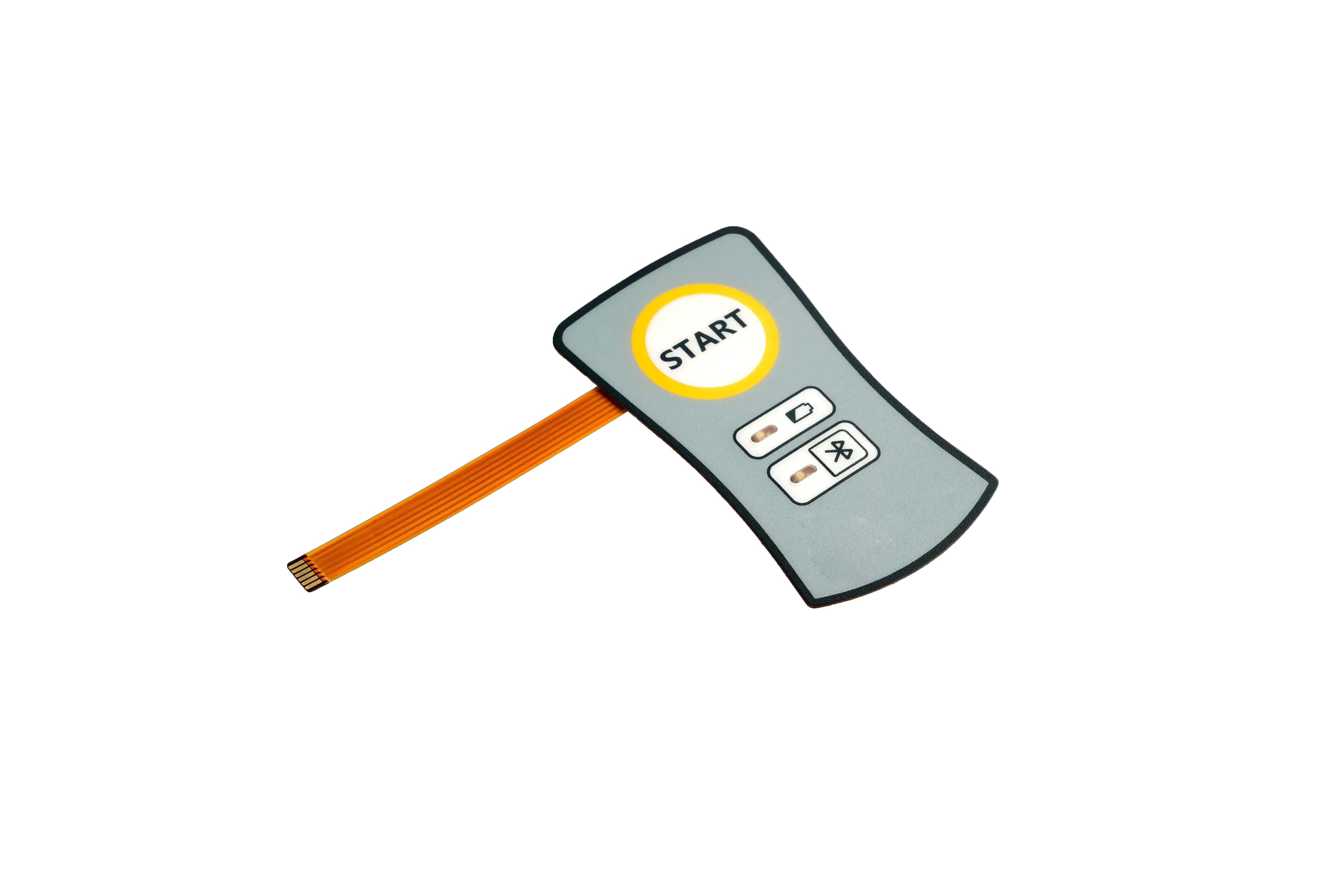
Custom overlay, spacer, printed circuit, tactile or non-tactile key structure, tail, connector, adhesive, and enclosure fit reviewed as one assembly.
View Custom Membrane SwitchesCompare custom membrane switches, keypads, tactile and non-tactile options, lighting, sealing, printed circuits, and OEM assembly routes before selecting a product construction.
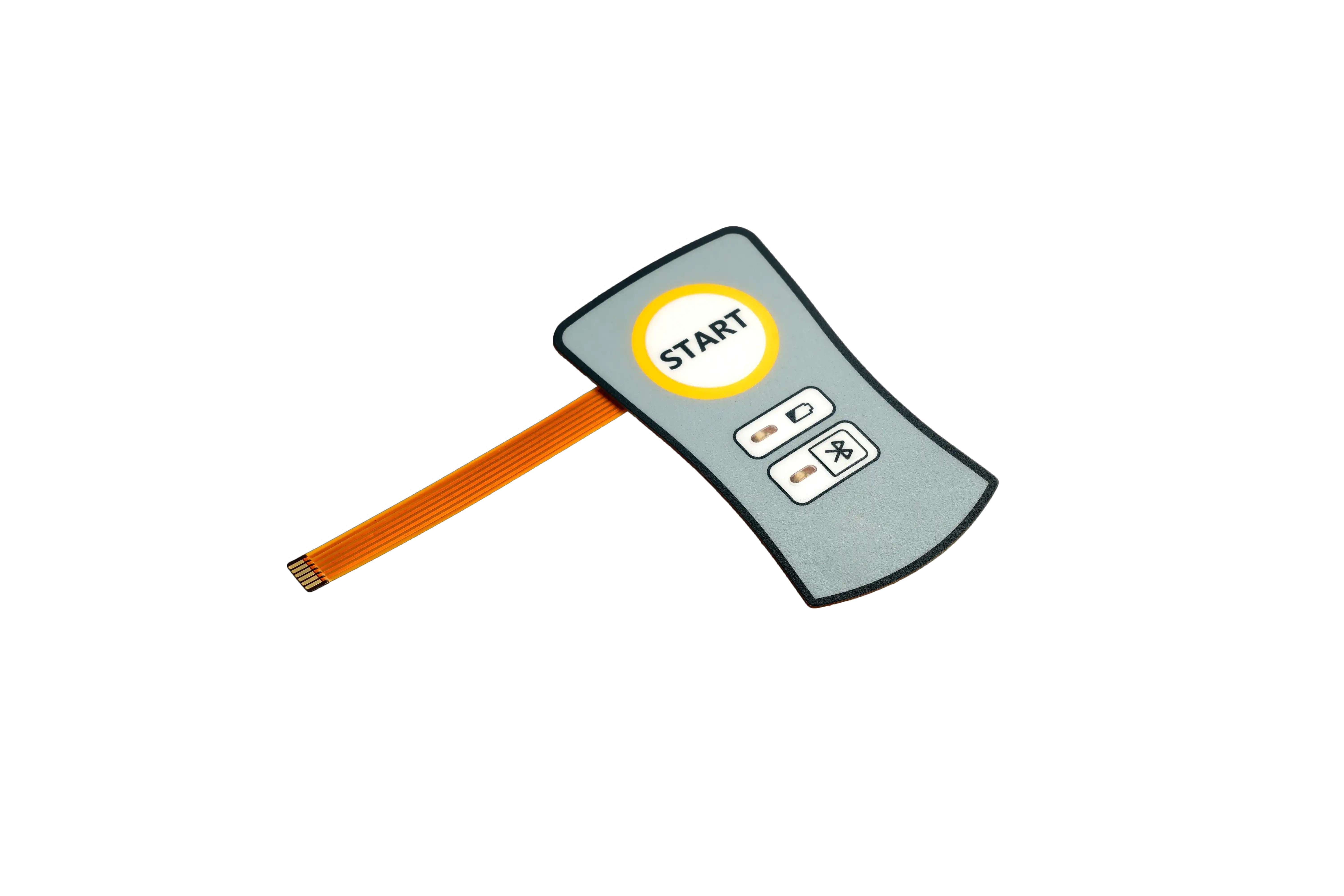
Engineering Review + RFQ Support
Overlay film | circuit path | dome feel | LED windows | tail exit | connector | adhesive land
Compare all 11 membrane switch product routes by user feedback, enclosure depth, circuit construction, lighting, sealing, and assembly method before selecting the best OEM interface direction.
Custom overlay, spacer, printed circuit, tactile or non-tactile key structure, tail, connector, adhesive, and enclosure fit reviewed as one assembly.
View Custom Membrane Switches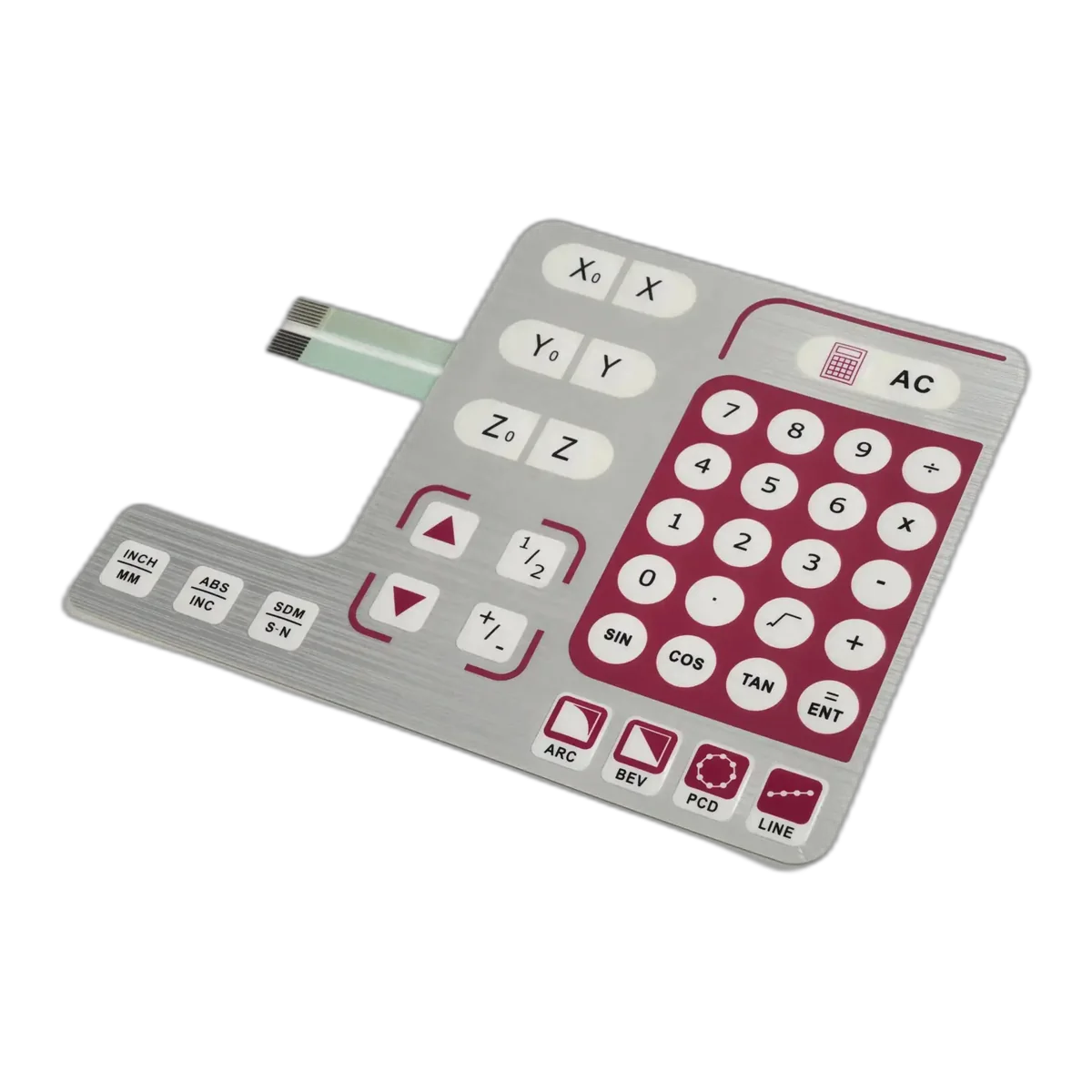
Compact printed key layouts with controlled pitch, legends, embossing, tactile feel, circuit matrix, and connector pinout.
View Membrane Keypads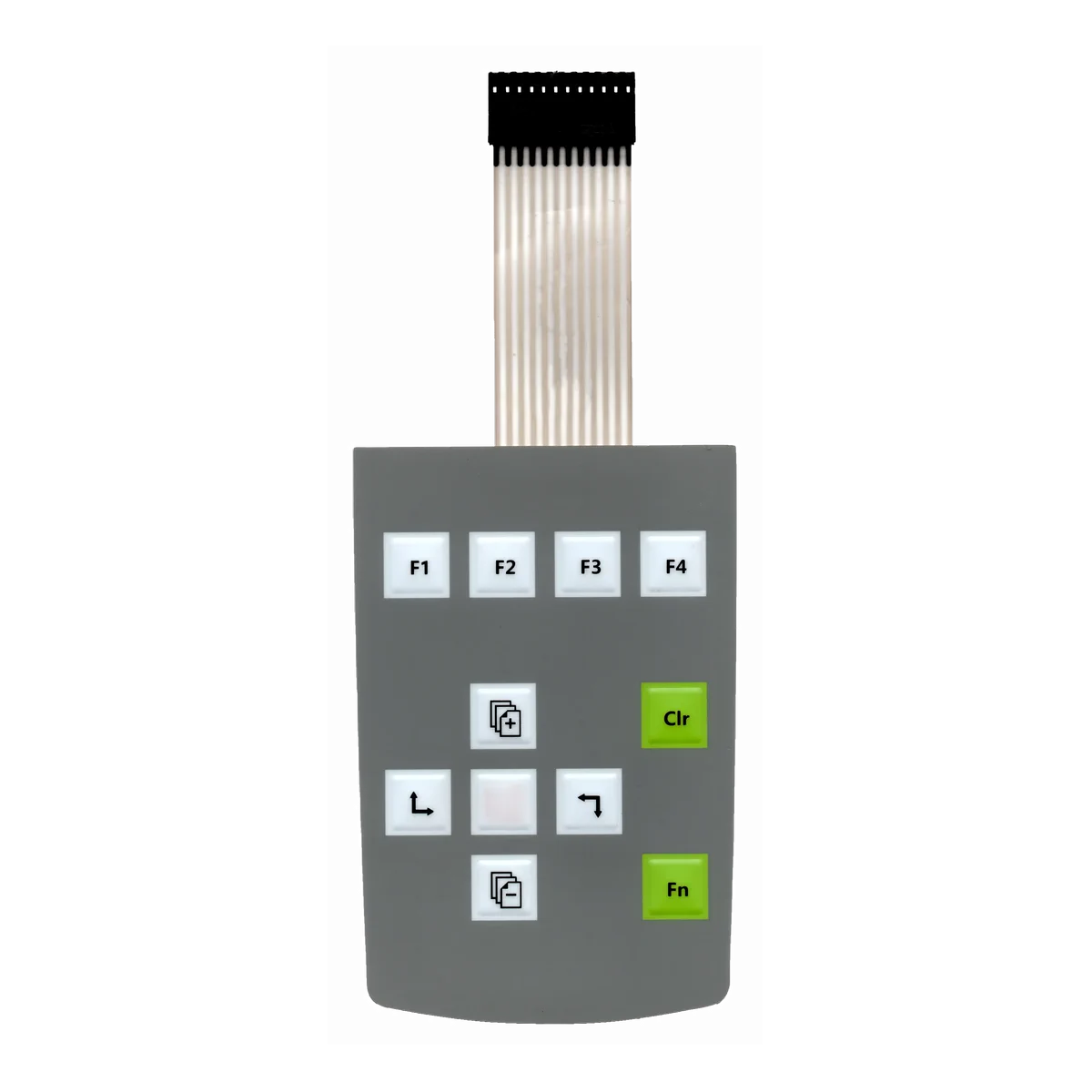
Metal dome and embossed key constructions designed around force curve, sound, life cycle, glove use, and the final bonded stack.
View Tactile Membrane Switches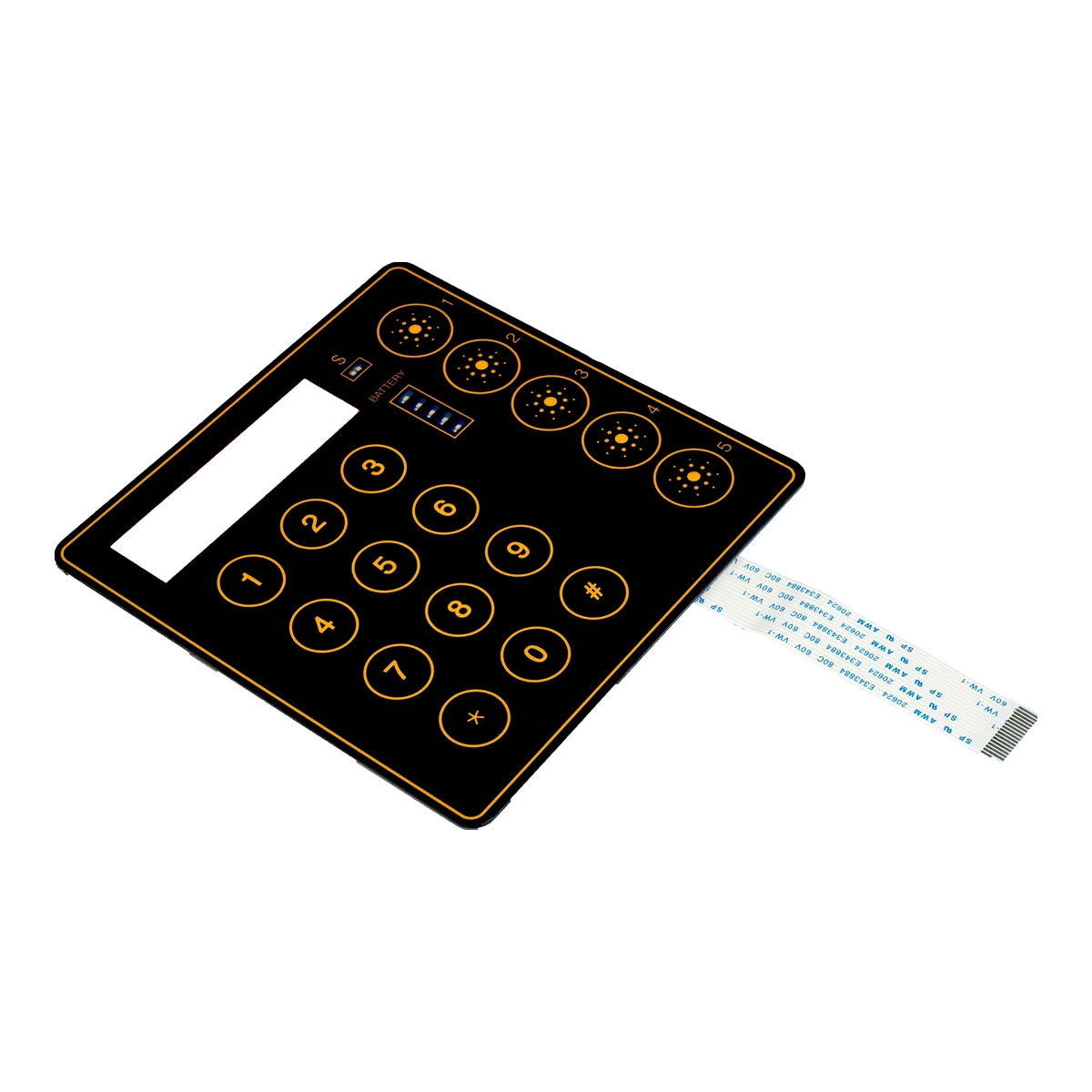
Thin, quiet switch constructions for flat panels, broad key areas, and interfaces that use visual, audible, or display feedback.
View Non-Tactile Membrane Switches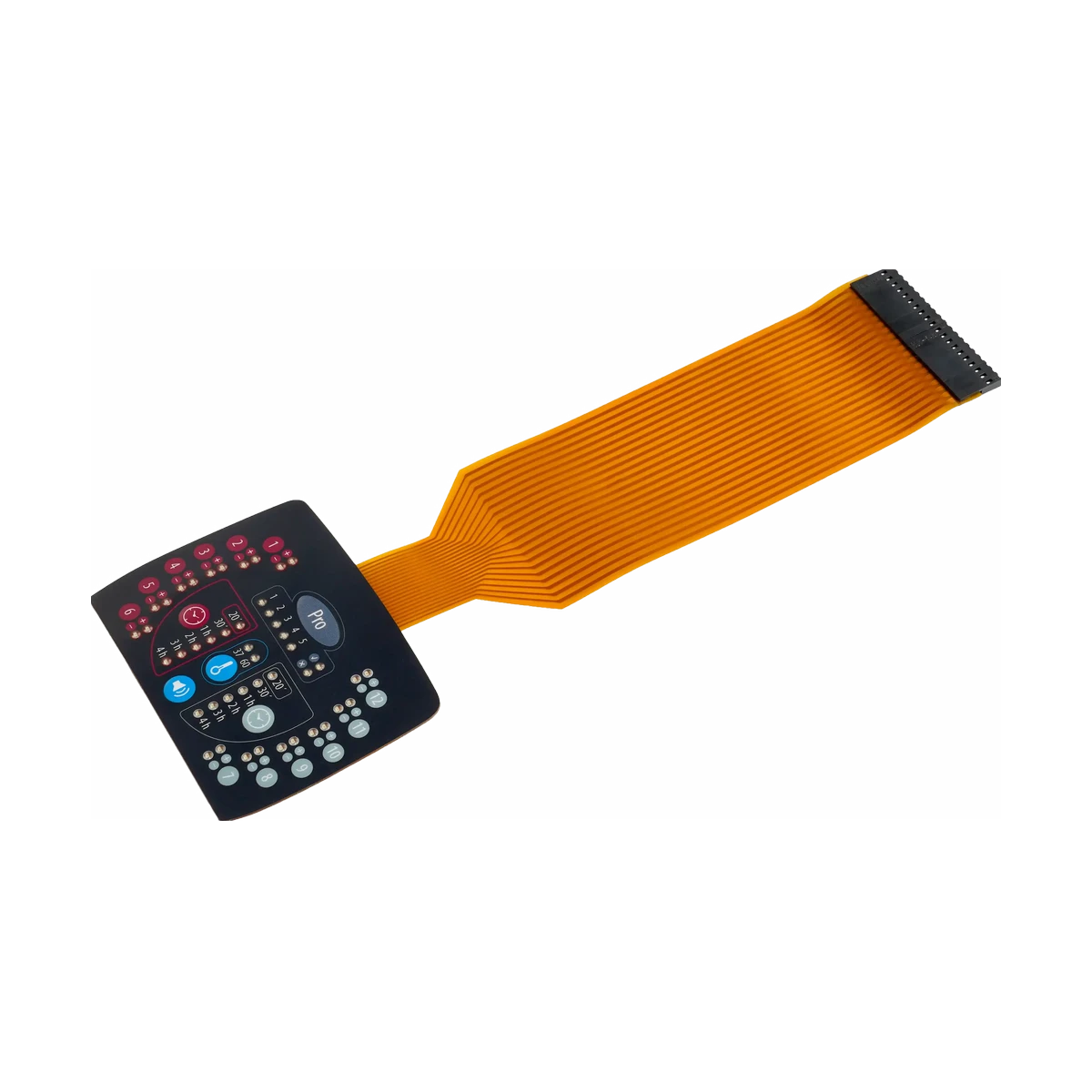
LED indicators, dead-front icons, light guide options, window control, polarity, and light-leak review.
View Backlit Membrane Switches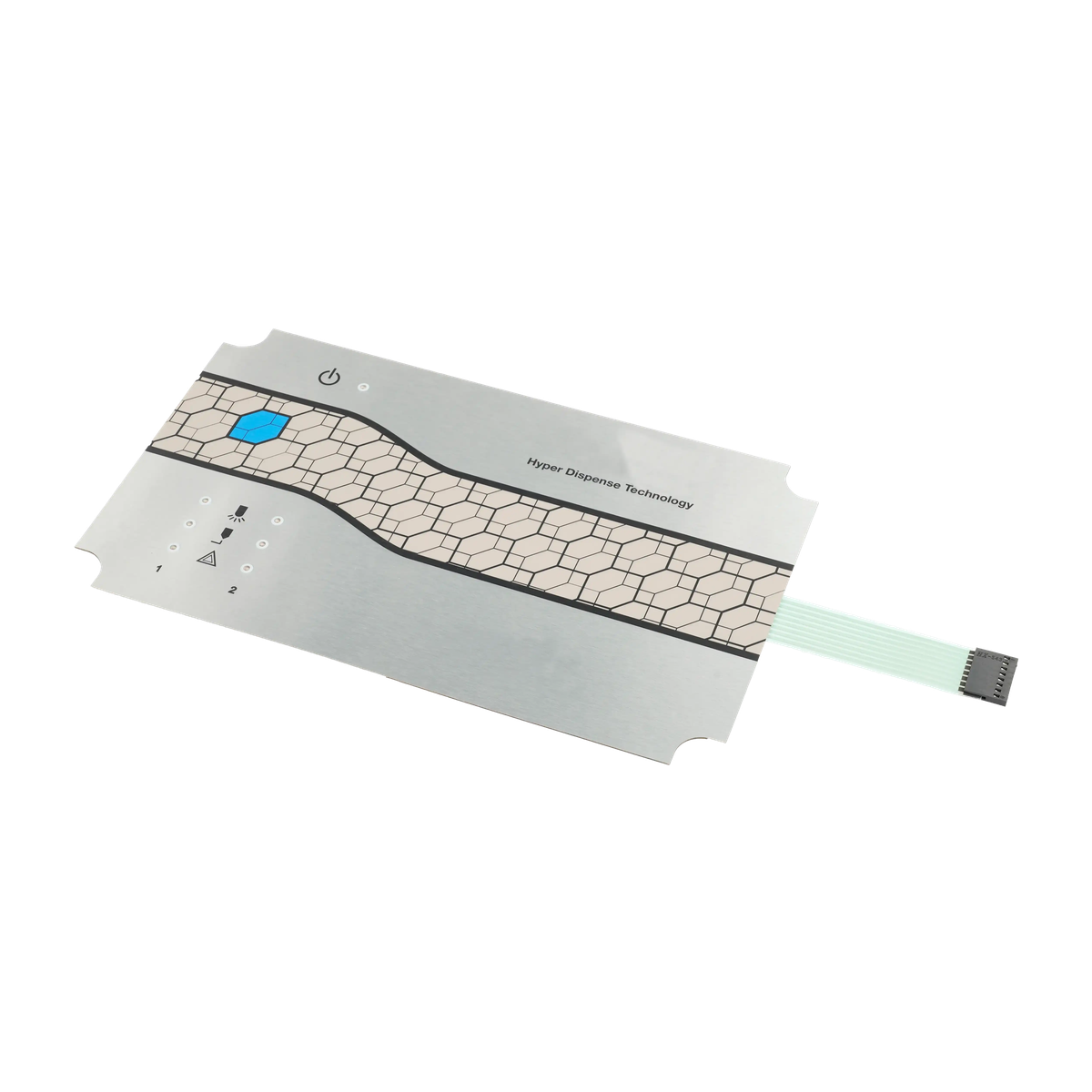
Perimeter adhesive, gasket land, venting, tail exit, connector sealing, and IP-target review.
View Waterproof Membrane Switches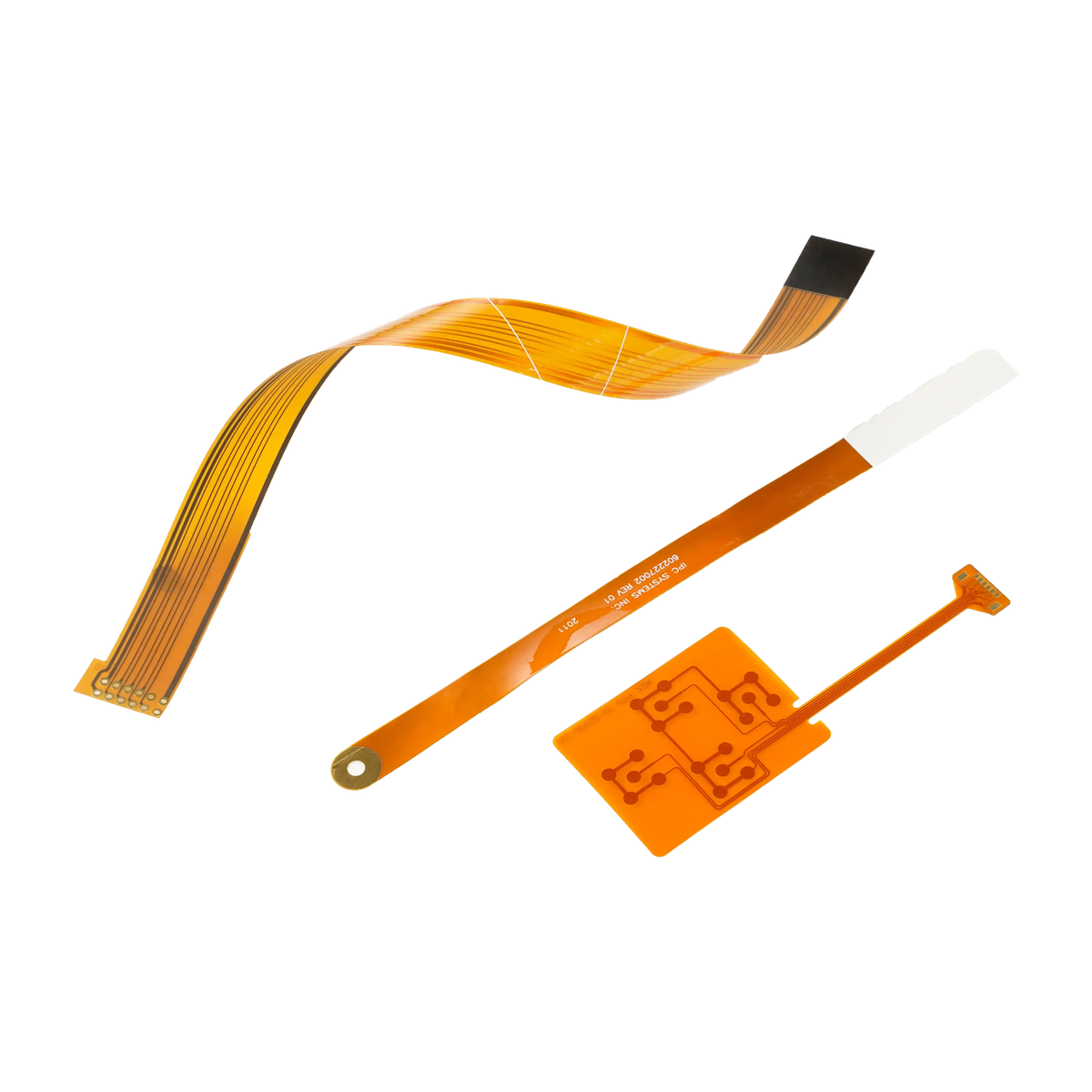
Rigid or flexible circuits, component integration, shielding, connectors, LEDs, test pads, and controlled bend routing.
View PCB and FPC Membrane Switches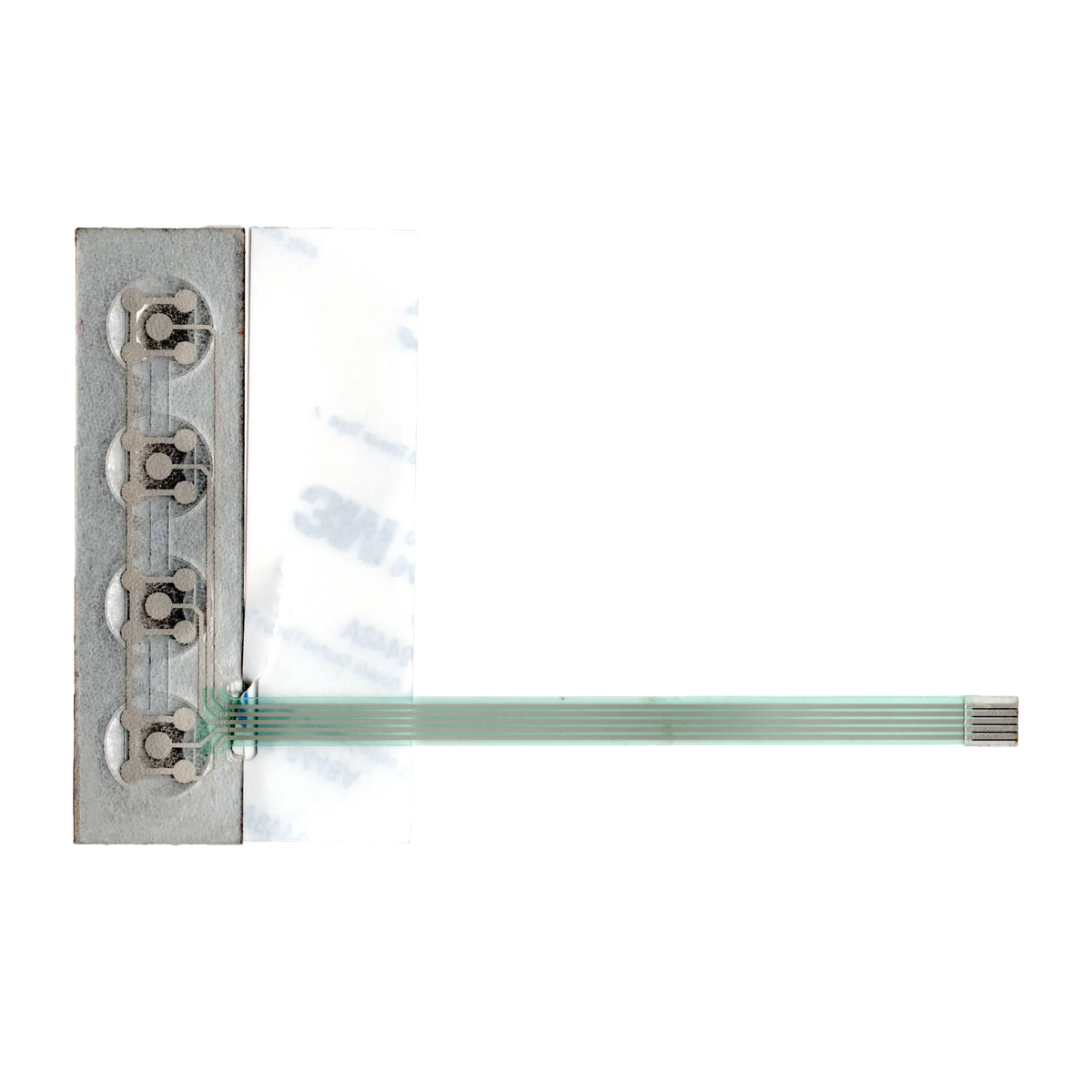
Compare dome diameter, force curve, retainer construction, embossing, pad geometry, and lifecycle requirements.
View Metal Dome Membrane Switches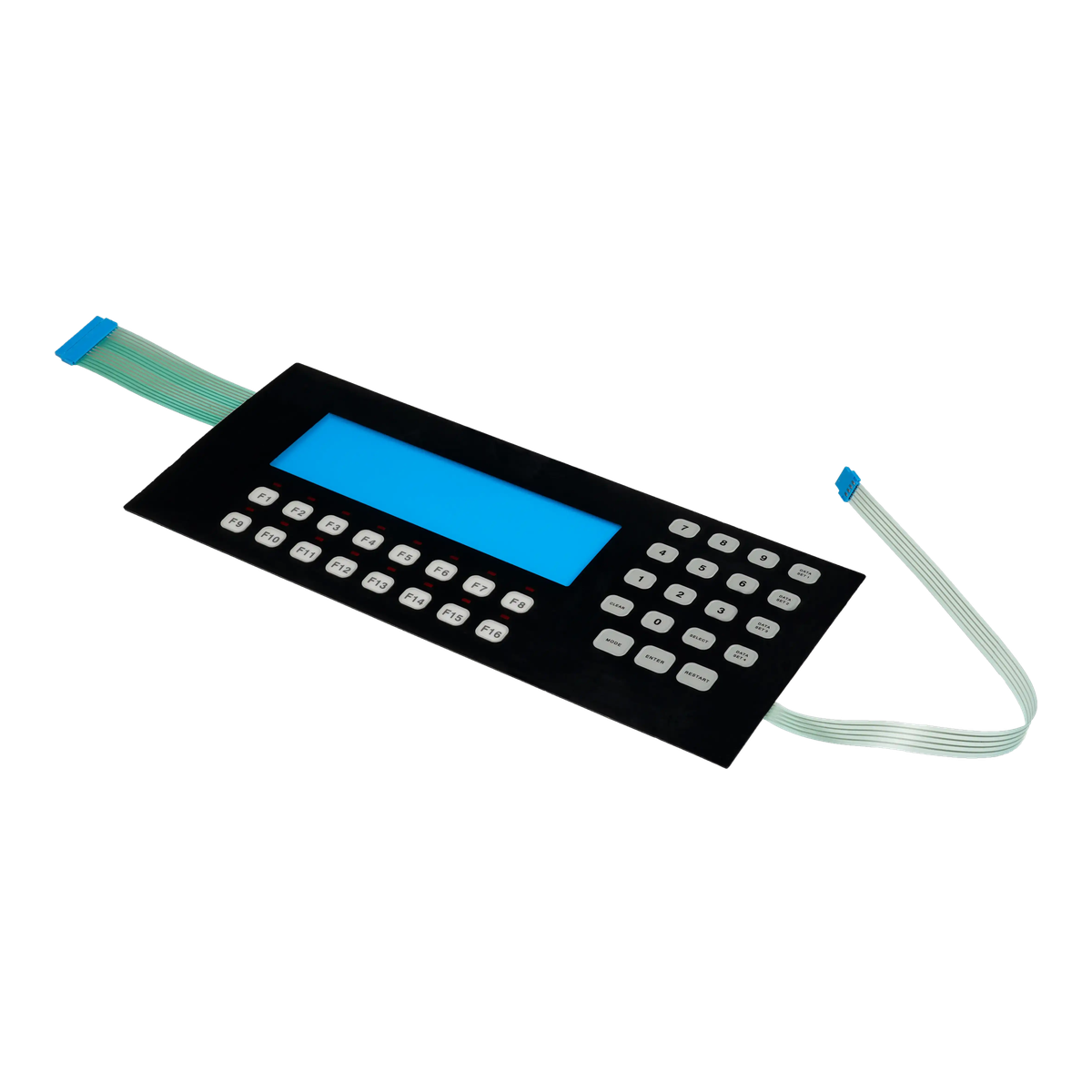
Plan individual button areas, pitch, legends, tactile feedback, matrix routing, tail, and connector pinout.
View Membrane Button Switches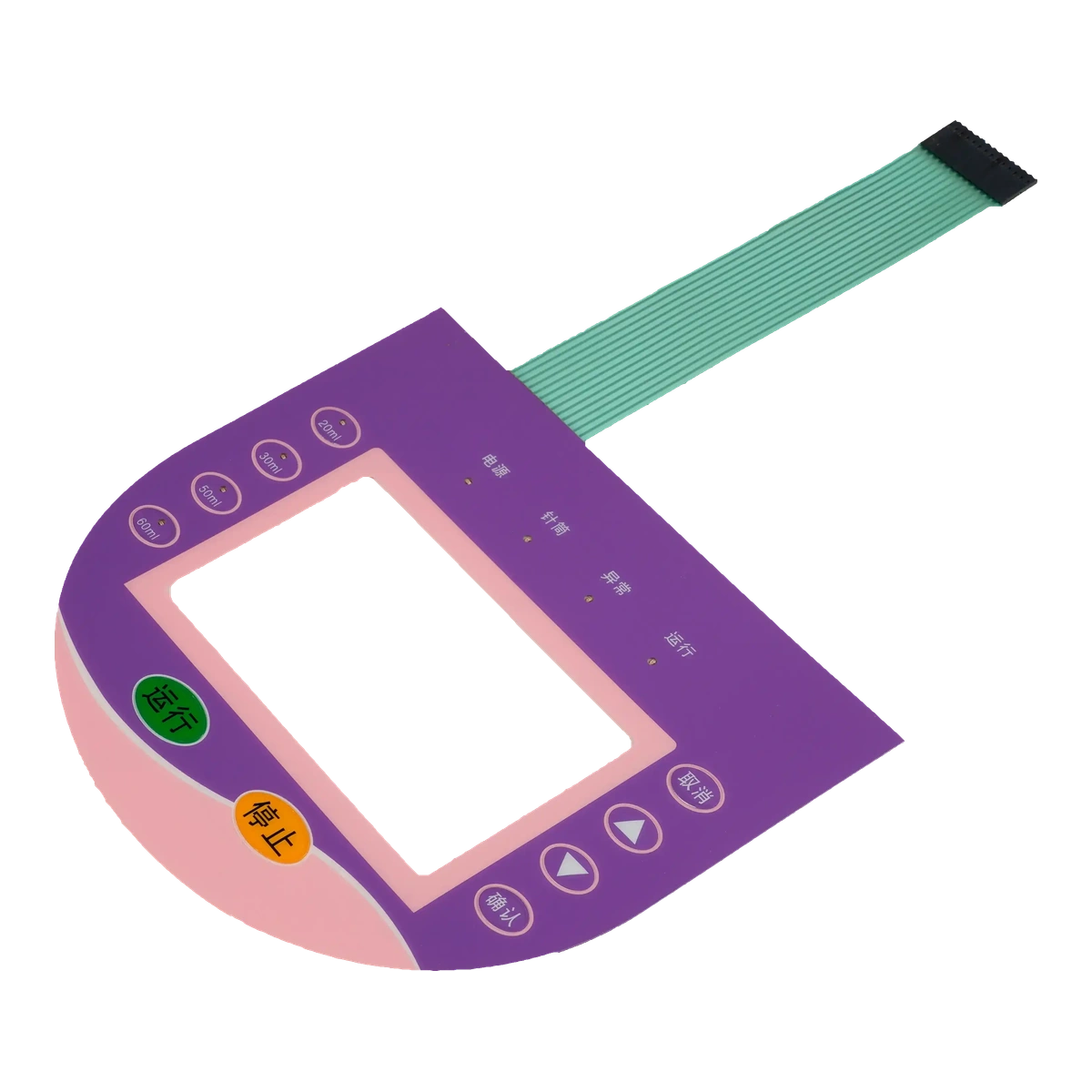
Integrate display windows, key areas, LED indicators, branding, adhesive, and the enclosure-ready panel outline.
View Membrane Switch Panels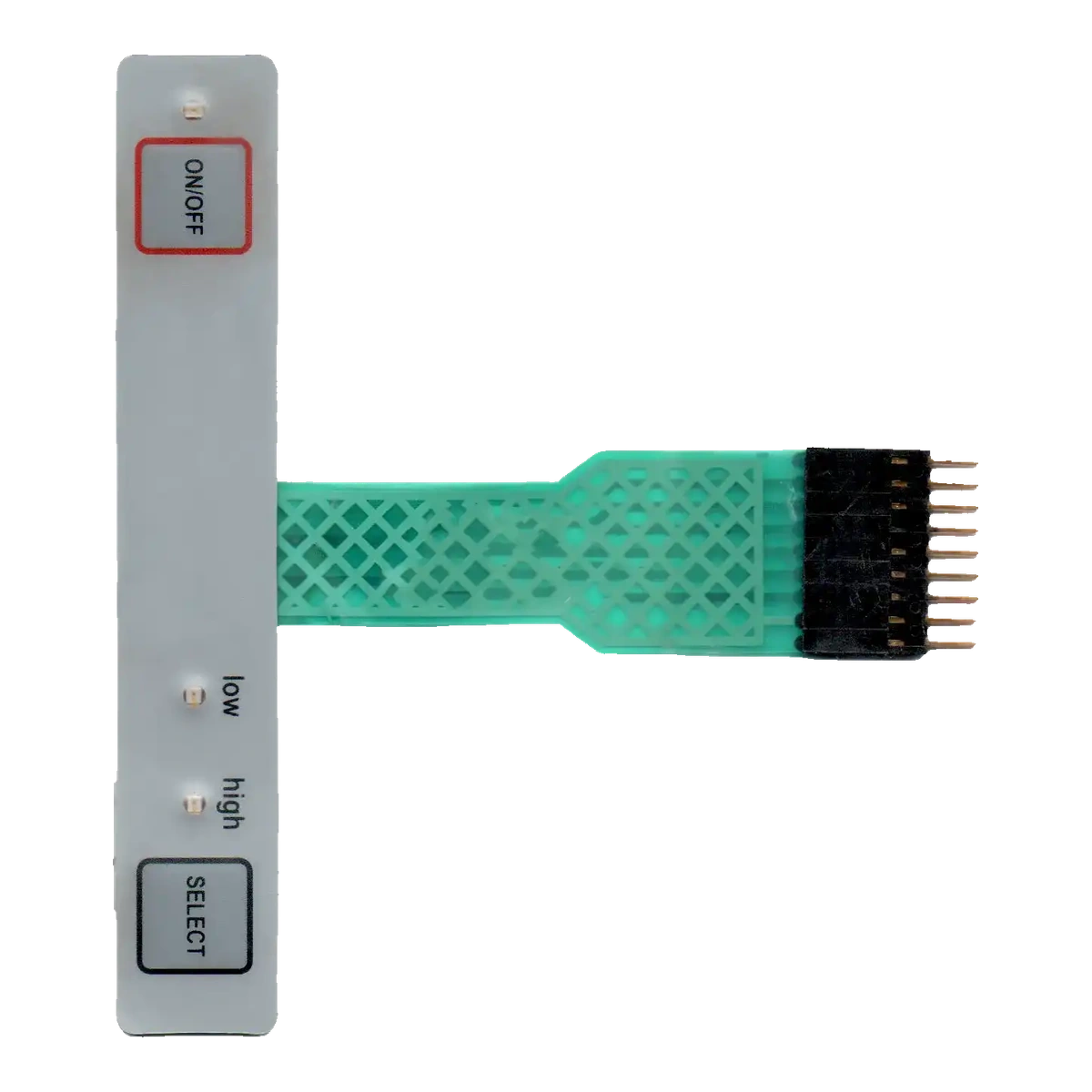
Integrate status indicators, dead-front icons, circuit routing, polarity, window control, and functional testing.
View LED Membrane SwitchesLED indicators, dead-front icons, light guide options, window control, polarity, and light-leak review.
Perimeter adhesive, gasket land, venting, tail exit, connector sealing, and IP-target review.
Rigid or flexible circuits, component integration, shielding, connectors, LEDs, test pads, and controlled bend routing.
The most useful membrane switch review happens before the enclosure, artwork, connector, and adhesive decisions are locked. That is when a small drawing correction can prevent expensive sample rework.
Compare prototype validation with controlled production manufacturing. Both routes use the same approved product stack, but the documentation, repeatability controls, and release criteria are different.
| Prototype Builds | Production Manufacturing | |
|---|---|---|
| Objective | Confirm fit, key feel, artwork, connector direction, and enclosure assembly risks before final approval. | Lock the approved stack, quality controls, and repeatable routing for stable OEM supply. |
| Best When | The drawing is still moving and the buyer needs fast feedback on stack choices that are hard to fix later. | The interface architecture is approved and the project needs repeatable manufacturing with inspection checkpoints. |
| Typical Build Focus | Artwork proofing, tactile feel, lighting behavior, tail exit, adhesive fit, and usability in the real housing. | Revision control, material consistency, adhesion repeatability, electrical yield, packaging, and lot-level traceability. |
| Quality Emphasis | Functional confirmation and visible risk discovery. | Controlled production records, outgoing inspection, and stable assembly results. |
| Buyer Should Send | Outline drawing, key map, connector notes, environment target, and any non-negotiable enclosure limits. | Approved artwork, controlled BOM notes, test method, quantity mix, and packaging or labeling requirements. |
| Shared Features | PET or PC overlays, silver or carbon circuits, dome/LED options, flexible quantities, and engineering review. | PET or PC overlays, silver or carbon circuits, dome/LED options, flexible quantities, and engineering review. |
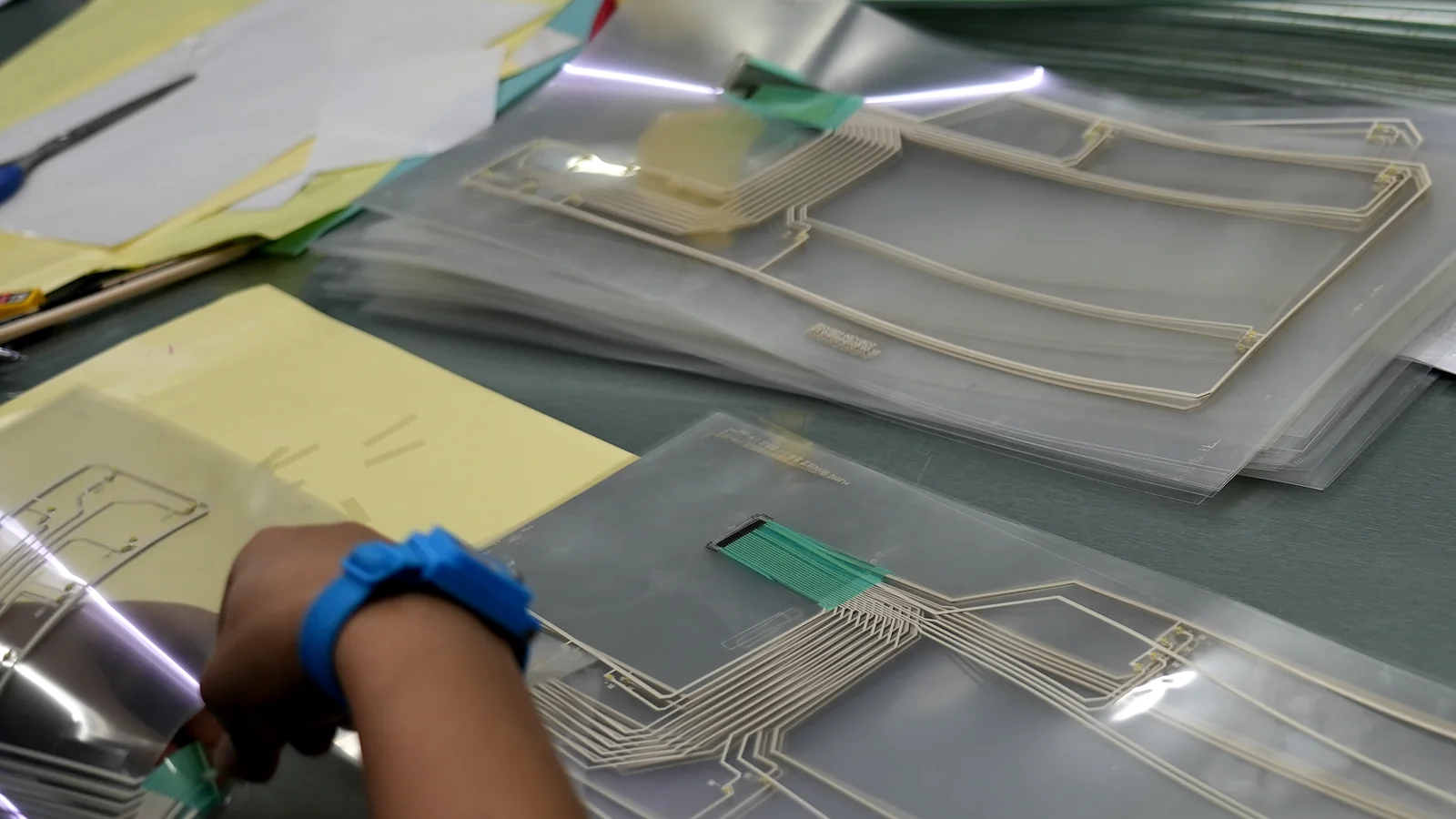
Material choice is not only a film decision. It changes tactile response, clarity, adhesive behavior, chemical resistance, and assembly yield.
Most custom membrane switch projects start with PET because it handles flex life and chemical exposure well. Polycarbonate is still useful when the artwork needs particular textures, window treatments, or emboss character, but it should be reviewed against cleaners, cracking risk, and bend zones. Spacer, circuit ink, adhesive, dome, and connector choices should be reviewed as one stack.
Tail exit, adhesive land, display windows, and dome selection are reviewed while the buyer can still change the design without expensive rework.
Overlay, circuit, dome, LED, connector, and sealing decisions are reviewed together instead of passing between multiple suppliers.
The same product direction can move from early validation into repeatable OEM release with documented revision control and inspection points.
The review focuses on what usually drives delays: enclosure conflict, key feel mismatch, artwork issues, untested adhesive choices, and unclear routing notes.

A membrane switch is useful when the product needs a thin, sealed, graphic-rich control surface that fits around the enclosure rather than forcing the enclosure around a standard keypad.
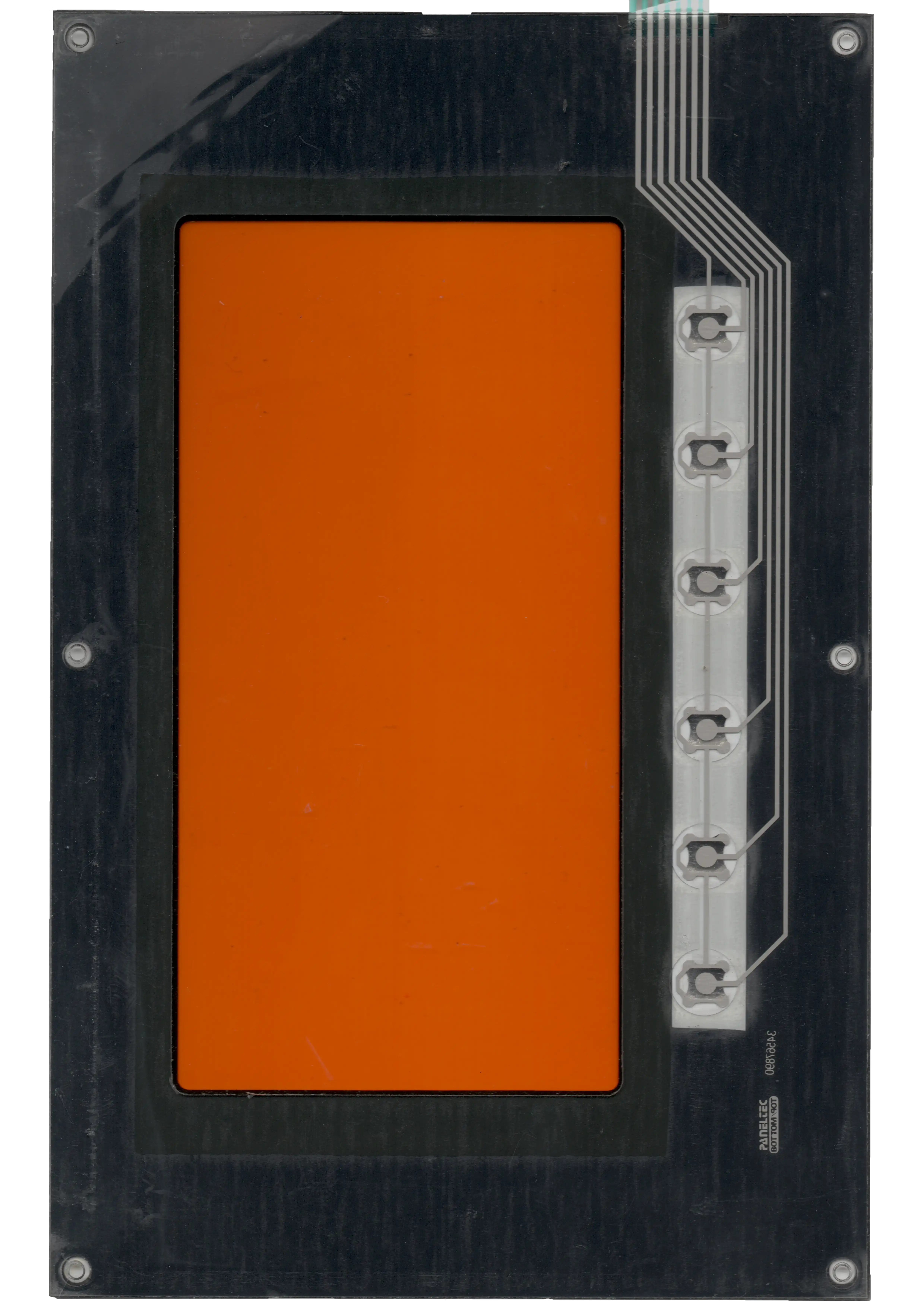
Custom membrane switches are commonly specified where the buyer needs a clean user surface, labeled control zones, and a controlled stack that can be tailored to the enclosure and operating environment.
Main drivers include material, printed colors, tooling, dome or LED count, connector, adhesive stack, test requirement, and order quantity.
Check continuity, appearance, actuation feel, tail bend, adhesive fit, window clarity, LED visibility, and any IP or cleaning requirement in the real enclosure.
It is not recommended when the required travel, current load, serviceability, temperature, or mechanical abuse exceeds what a thin interface stack can handle.
Compare dome diameter, force curve, retainer construction, embossing, pad geometry, and lifecycle requirements.
View ProductPlan individual button areas, pitch, legends, tactile feedback, matrix routing, tail, and connector pinout.
View ProductIntegrate display windows, key areas, LED indicators, branding, adhesive, and the enclosure-ready panel outline.
View ProductIntegrate status indicators, dead-front icons, circuit routing, polarity, window control, and functional testing.
View ProductSend the drawing, enclosure notes, quantity, material direction, and any fixed requirements so the stack can be reviewed before production assumptions harden.
Email: [email protected]
Share the project basics. JASPER will review the stack, materials, connector, quantity, and production risks.