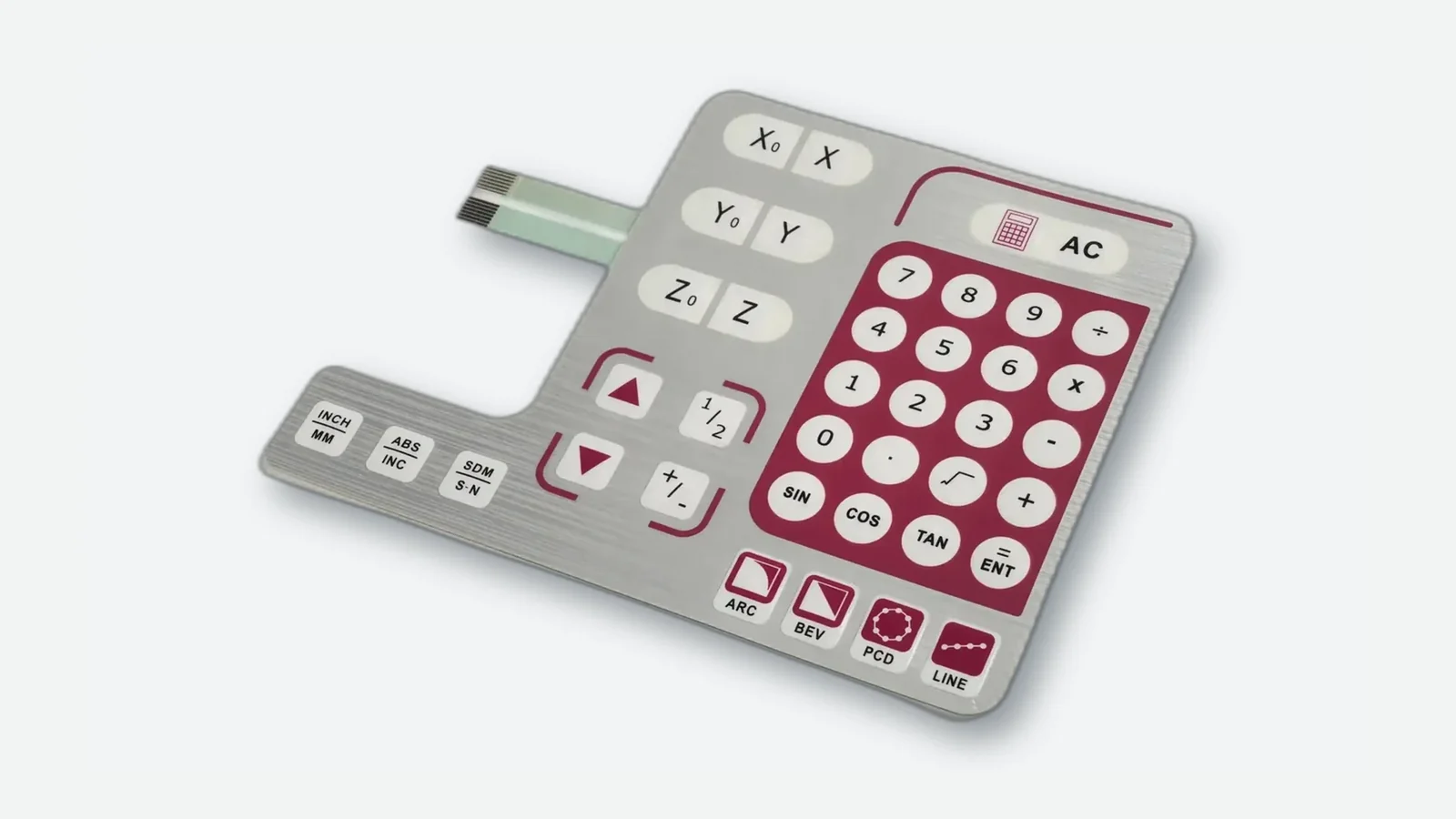
Six controls define repeatable metal-dome key feel
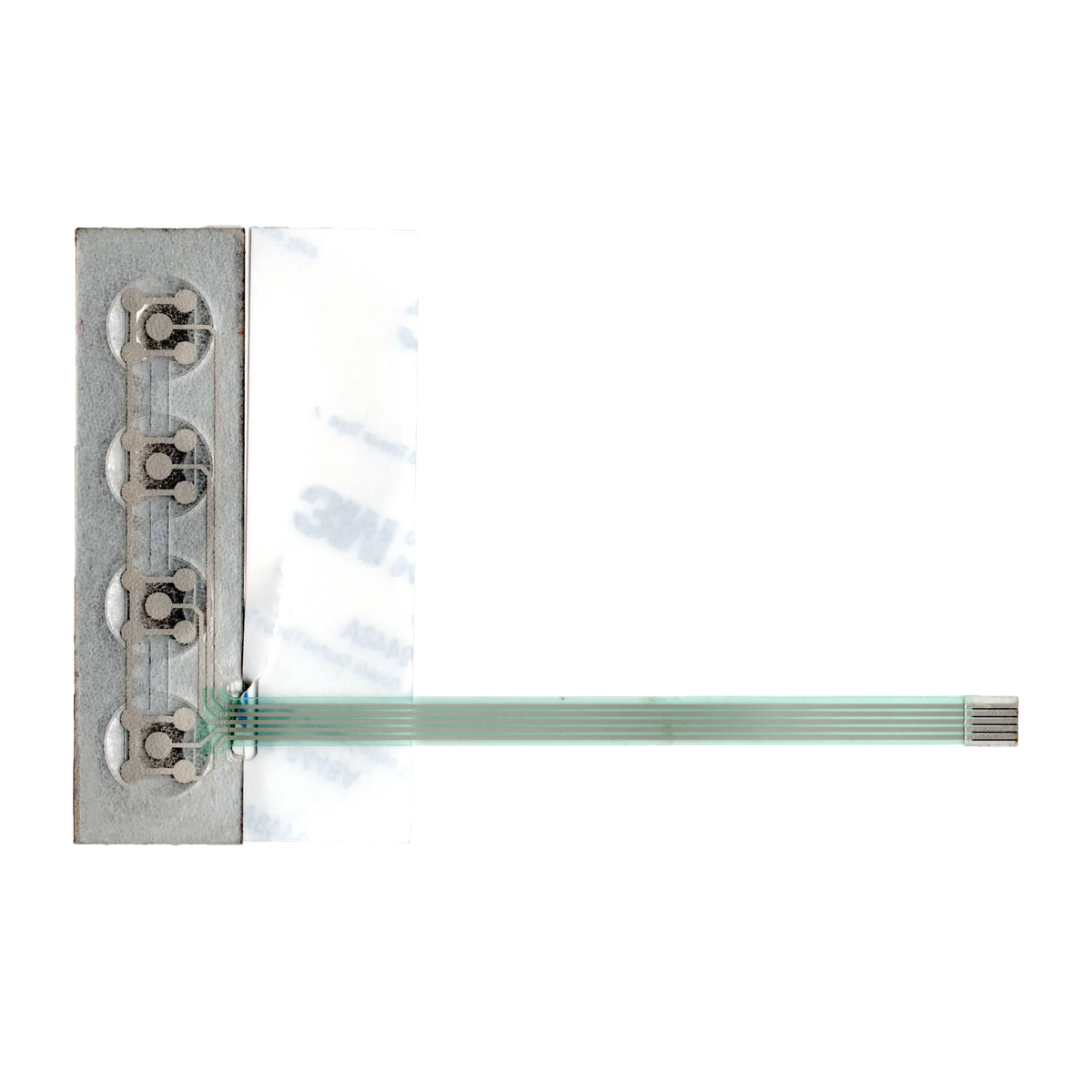
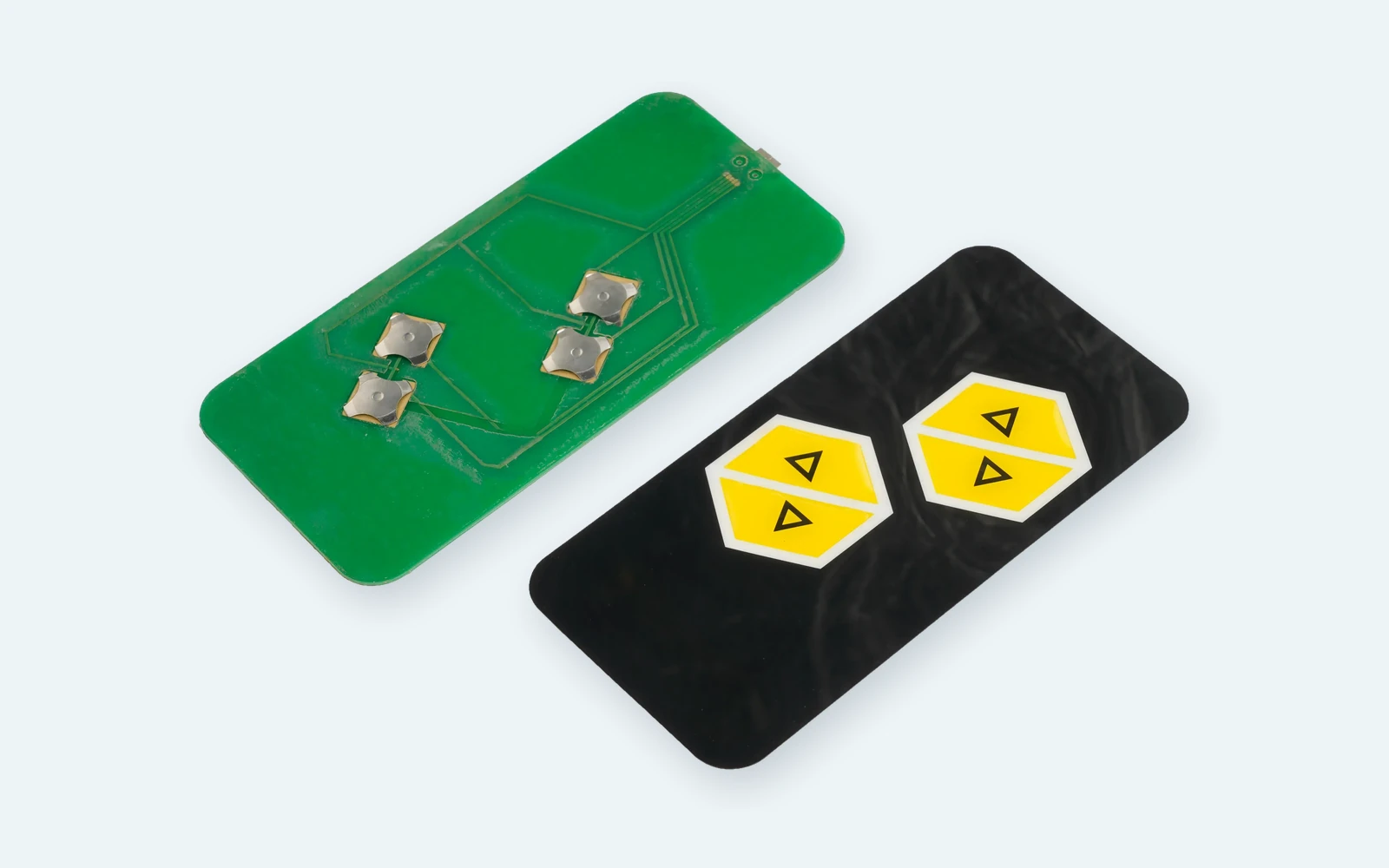
The dome, retainer, overlay, circuit, and enclosure form one mechanical system.
01Force and tactile ratio
Release controlRelease the trip-force range, return behavior, travel, tactile ratio, sound expectation, and measurement method.
If it is missingA nominal force is met but the finished key feels flat, harsh, or slow to return.
02Dome geometry
Release controlSelect shape, diameter, height, dimple, vent hole, material, plating, and any backlighting or multi-action feature.
If it is missingThe dome conflicts with lighting, pad geometry, actuator size, or life target.
03Actuator and emboss
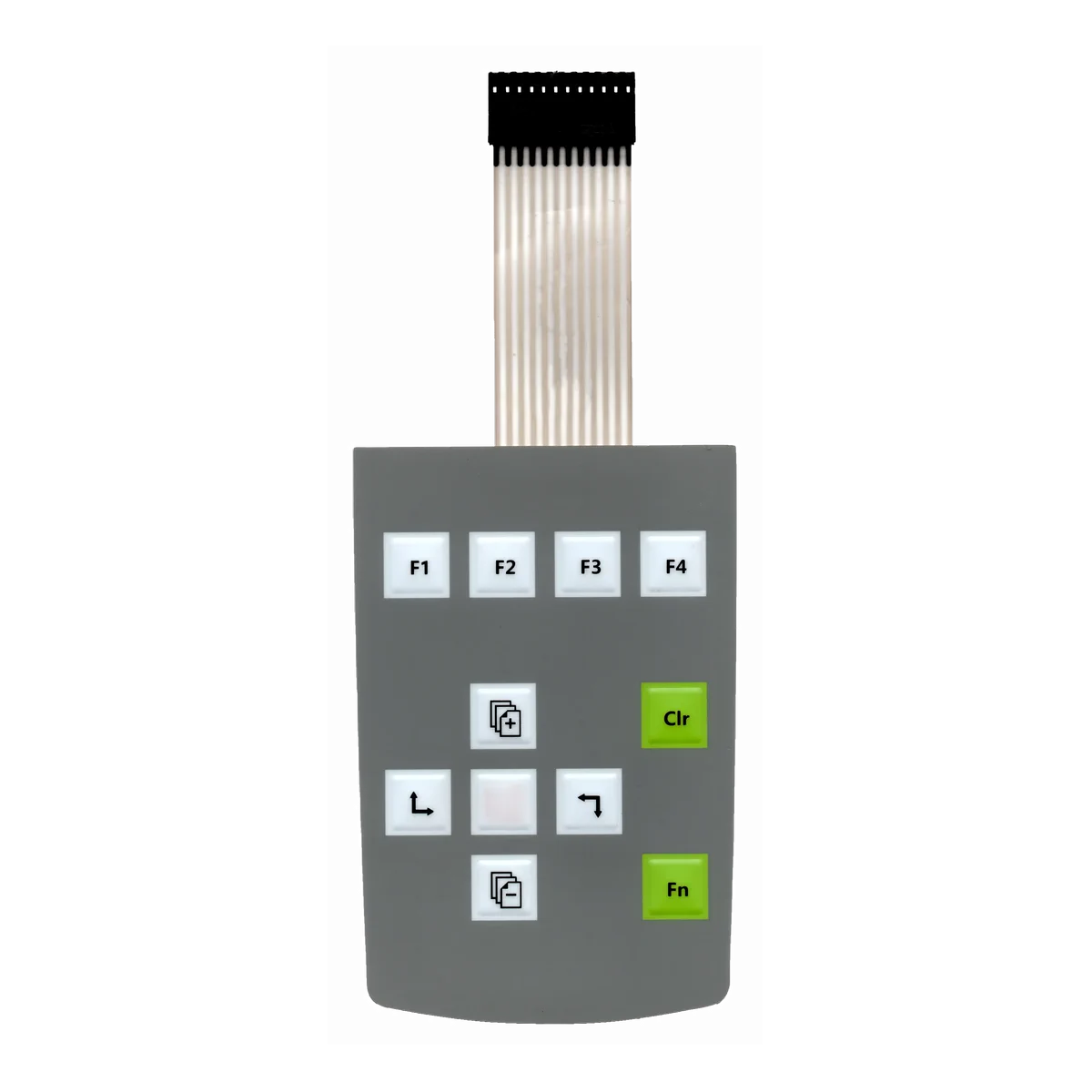
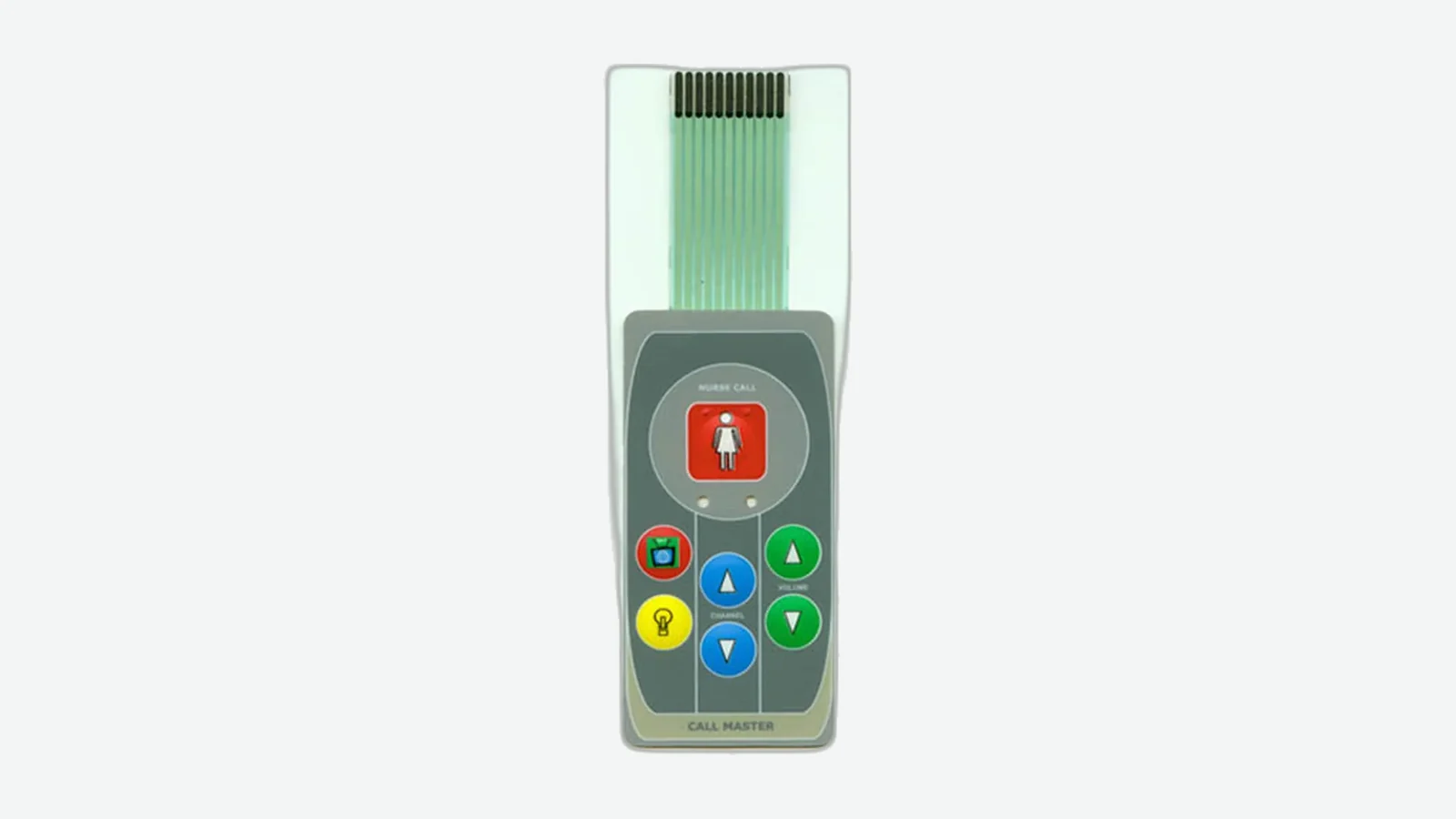
Release controlAlign actuator diameter, press point, overlay emboss, key size, support surface, and expected off-center loading.
If it is missingCenter presses pass while edge presses fail or damage the dome.
04Pad and circuit
Release controlRelease pad diameter, finish, trace entry, contamination control, resistance target, and dome-to-pad alignment.
If it is missingContact resistance is unstable or the dome rocks on the circuit.
05Retainer and venting
Release controlDefine adhesive array, pocket, spacer, dome retention, vent route, dust control, and assembly sequence.
If it is missingTrapped air, retainer creep, or misplacement changes feel and return.
06Life and inspection
Release controlName cycle count, actuation rate, load tool, environment, force-curve checks, electrical criteria, and sampling plan.
If it is missingThe dome rating is quoted without proving the finished product.