
Requirement release
Identify active drawings, specifications, artwork, circuit, BOM, approved sample, critical characteristics, methods, sampling, reports, labels, and trace requirements.
JASPER plans inspection around the failure risks and evidence required for the quoted component. Incoming, printing, circuit, converting, lamination, assembly, functional, final, labeling, and packing checks must point to active requirements rather than generic quality language.
A lot number without active drawings, material identity, process stage, inspection method, results, deviations, labels, and shipment linkage is weak evidence. JASPER can define project-specific records for the quoted scope. The OEM should state which characteristics, records, retention periods, reports, supplier documents, serial or lot identifiers, and change notifications are required.
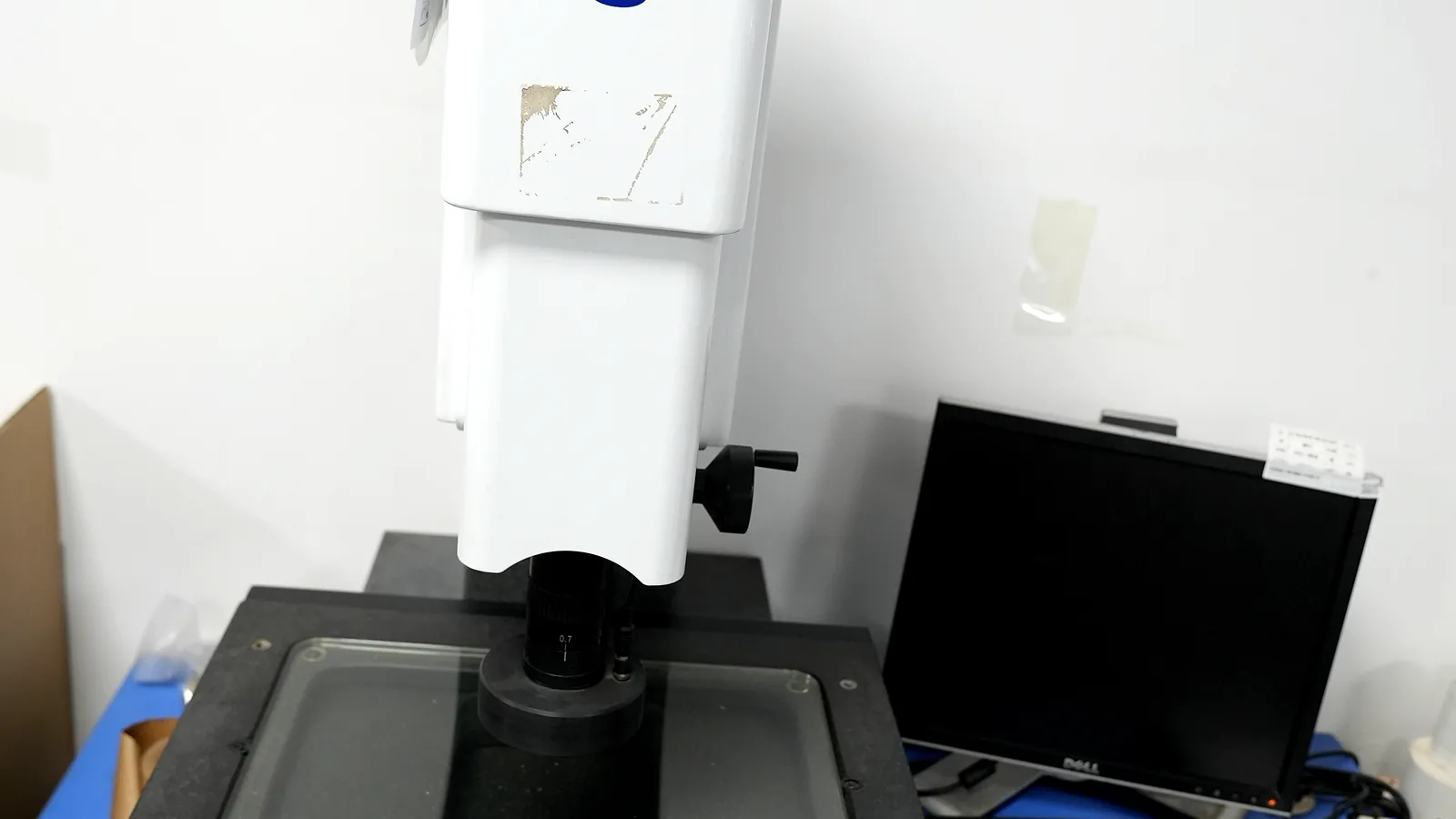
The quality plan should identify what is checked, when, by which method, against which revision, and what record remains.
Identify active drawings, specifications, artwork, circuit, BOM, approved sample, critical characteristics, methods, sampling, reports, labels, and trace requirements.
Link purchased materials and components to relevant requirements; inspect print, circuit, cutting, lamination, assembly, and hidden features at the useful stage.
Review agreed appearance, dimensions, electrical/functional state, labels, quantity, protection, packing, reports, deviations, and shipment identification.
Retain the agreed material, process, inspection, lot, deviation, rework, report, shipment, complaint, corrective-action, and change records by scope.
More records are not automatically better. The evidence must correspond to the characteristic, risk, and decision owner.
| Buyer question | Useful evidence | Boundary to define |
|---|---|---|
| Was the active requirement used? | Revision-controlled drawing, artwork, circuit, BOM, specification, work instruction, inspection method and approved reference | Which document controls when references conflict? |
| Were relevant materials used? | Supplier/lot identity, receiving record, certificate or declaration if required, storage and issue linkage | Which materials require lot-level linkage and which supplier documents are accepted? |
| Was the part inspected? | Characteristic, method, fixture, conditioning, sample quantity, result, inspector/date, lot, deviation and release | Which checks are sampled, full, functional, visual, dimensional or OEM-owned? |
| Can a problem be contained? | Lot/shipment linkage, nonconformance, segregation, rework, concession, corrective action, complaint and change records | What trace depth and record retention are required by contract? |
State the decision each requested record must support. Avoid demanding a generic full report without characteristics, methods, or owners.
No universal claim is made. Project plans define which characteristics are sampled, fully checked, visually reviewed, electrically tested, measured by fixture, documented, or validated by the OEM.
Depending on scope, it can link order, material and supplier lots, active revisions, process dates, tooling, inspections, deviations, rework, labels, packing, reports, and shipment identification.
Reports can be reviewed when the RFQ names the characteristics, method, sample size, limits, units, fixture, conditioning, format, timing, retention, confidentiality, and acceptance owner.
The agreed process should identify, segregate, review, disposition, rework or scrap affected parts, record authorization, link affected lots, and prevent release until requirements are satisfied.
Send the critical characteristics, methods, reports, lot structure, retention, and change requirements with the drawing package.
Share the project basics. JASPER will review the stack, materials, connector, quantity, and production risks.