
Base material
ControlRelease base color, transmission direction, local thickness, molded texture, geometry, and substitution boundary.
Failure modeThe opened legend changes color or brightness after an unreviewed material change.
A laser-etched silicone keypad depends on the base material, opaque coating, vector artwork, laser opening, legend registration, powered and unpowered appearance, wear zone, cleaner, and retained first article working as one released surface system.
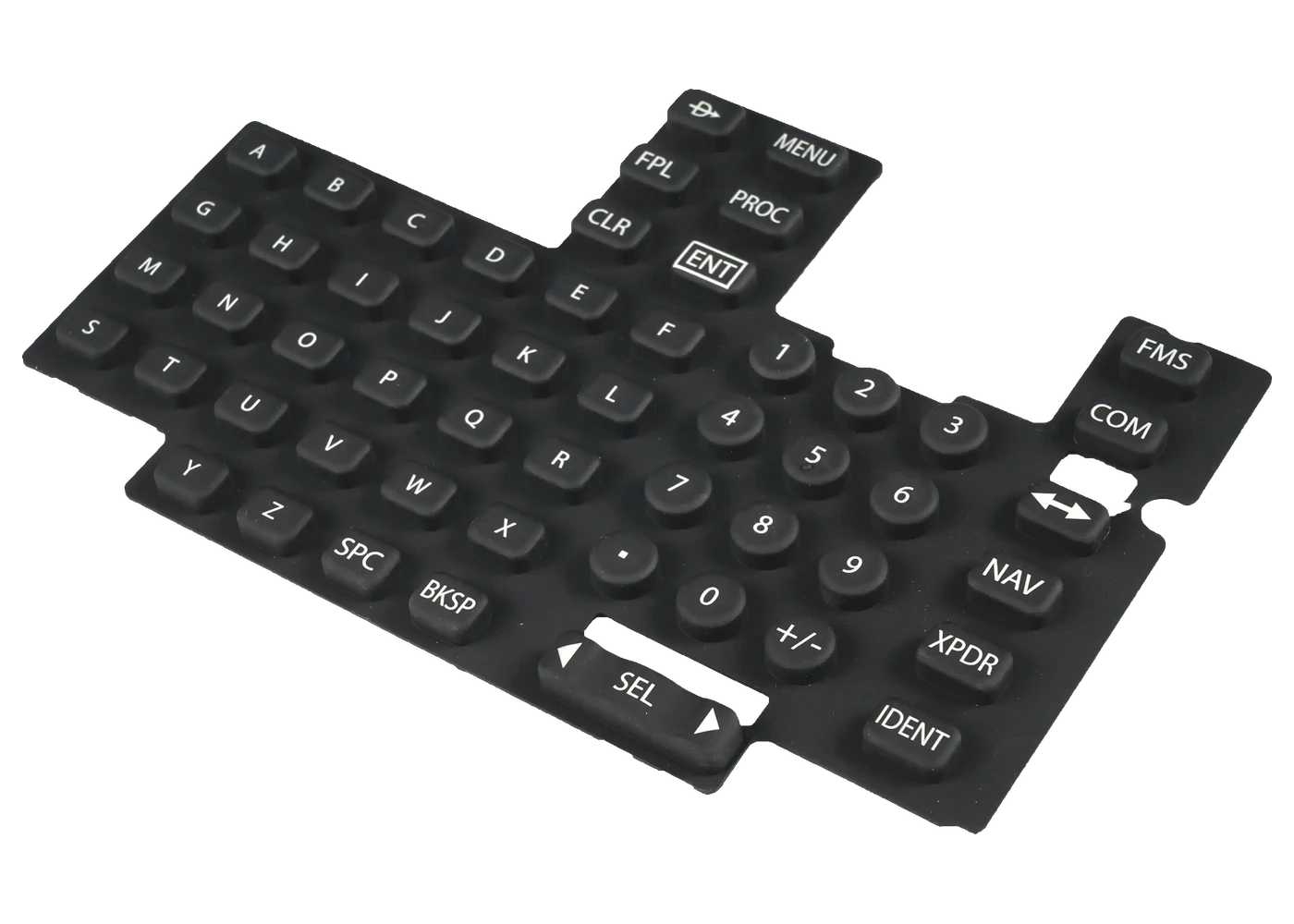
A laser-etched silicone keypad normally begins with a selected molded base and a contrasting or opaque surface system. The laser removes a controlled area of the surface to reveal the intended legend, transmission window, or color beneath.
The process does not repair weak artwork or an uncontrolled coating. Line width, corner shape, scale, coating build, key curvature, laser focus, registration, base transmission, LED position, cleaner, and operator wear all affect the finished result.
Use this route when opened-legend quality is the primary release risk. Use the backlit route when the complete optical path dominates, and use the assembly route when JASPER must also own the circuit, LEDs, connector, carrier, and final function.
A clean symbol is the result of controlled inputs, not a generic laser setting.
Release base color, transmission direction, local thickness, molded texture, geometry, and substitution boundary.
Failure modeThe opened legend changes color or brightness after an unreviewed material change.
Control layer sequence, opacity, color, coverage, surface, adhesion, cure, and edge treatment.
Failure modePinholes, thin corners, or inconsistent coverage create unwanted glow.
Release the actual paths, scale, minimum features, line width, position, orientation, and revision.
Failure modeA raster proof or font name produces a different production symbol.
Define the visible result, registration, edge quality, depth boundary, residue control, and inspection method.
Failure modeThe process cuts too little, exposes the wrong layer, or damages the base.
Name LED, PCB, voltage, ambient light, viewing angle, distance, and powered or unpowered state.
Failure modeA legend passes in one photograph but fails in the installed product.
Identify touch zones, cleaner, abrasion route, surface contact, handling, and requalification triggers.
Failure modeThe coating polishes, lifts, or opens into an unintended illuminated area.
The drawing should describe what the operator sees and connect that result to the controlled material, coating, laser, light, and inspection conditions.
| Decision | Options to Review | Release Question |
|---|---|---|
| Legend result | Opaque symbol, transmitted symbol, color reveal, indicator window, outline, or combined result | What exact shape and state must the operator see? |
| Base construction | Selected-color silicone, translucent silicone, multi-color route, insert, or project-defined substrate | Which material and local geometry sit below the opened coating? |
| Surface stack | Primer, color coat, opaque coat, protective coat, texture, gloss, or combined layers | Which layer is removed and which layers must remain intact? |
| Artwork geometry | Vector paths, line widths, radii, counters, spacing, alignment, key curvature, and orientation | Which controlled file drives production and inspection? |
| Optical condition | LED package, location, drive, PCB, housing, ambient, viewing angle, and off-state contrast | Which installed condition creates the approved appearance? |
| Approval evidence | First article, retained master, images, measurement overlay, cleaner sample, and wear sample | Which evidence authorizes production and later process changes? |
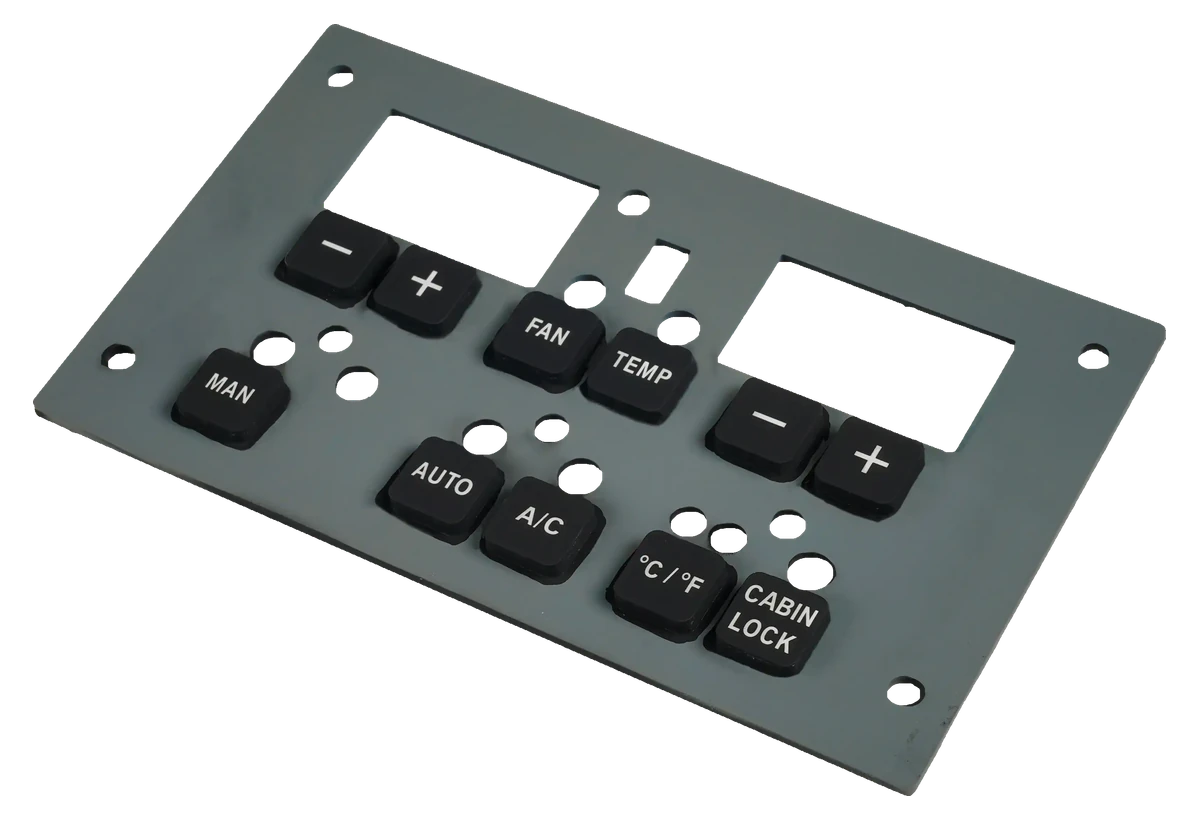
Artwork that is balanced on a flat screen can appear compressed, shifted, or uneven on a sloped or domed key. The production file should be reviewed against the molded three-dimensional surface and the intended viewing direction.
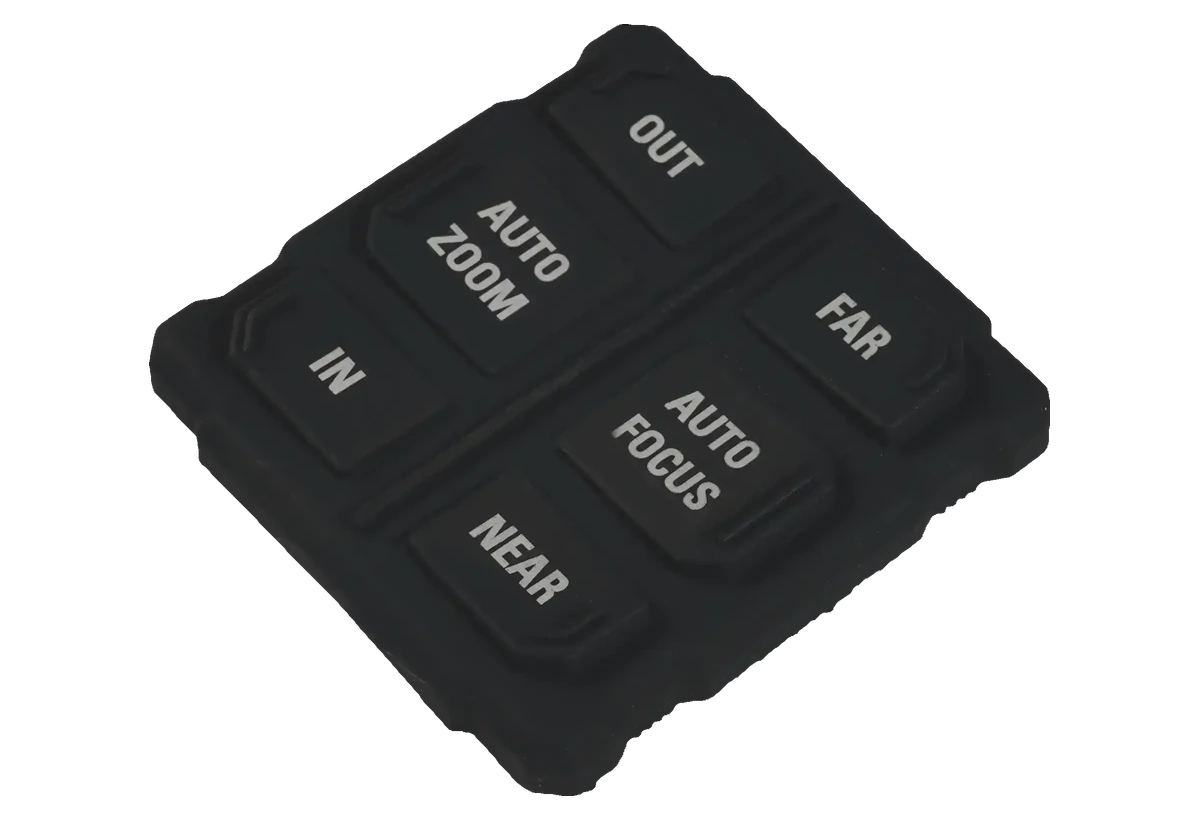
Laser quality cannot be separated from coating coverage and adhesion. The first article should show the unprocessed surface, opened legend, cleaned result, powered state, and the project-defined wear or chemical exposure.
Separate powered and unpowered appearance, color, contrast, critical symbols, and viewing conditions.
Align base silicone, molded geometry, coating sequence, opacity, texture, gloss, edge, and cleaner.
Lock paths, scale, line width, orientation, registration, revision, and the relationship to each key.
Check coating, legend edge, color, light transmission, readability, fit, cleaning, and project wear evidence.
Lock material, coating, laser program, fixture, inspection condition, retained sample, and change triggers.
Review vector geometry, focus, key curvature, coating build, laser opening, residue, and inspection magnification.
Check coating opacity, pinholes, edge coverage, laser depth, base transmission, and LED output.
Review part fixturing, molded datum, artwork registration, key geometry, and enclosure viewing direction.
Review touch zone, coating adhesion, cleaner, abrasion route, key edge, gloss, and protective layer.
Night-readable seat, console, remote, and specialty vehicle symbols on molded keys.
Controlled legends reviewed with cleaning, coating, lighting, and installed evidence.
Raised keys with durable symbols for field equipment, test systems, and machinery.
Illuminated controls whose coating, UV, moisture, cleaning, and enclosure boundaries are defined.
PIN pads, alarm controls, and remotes with controlled night visibility and touch zones.
Molded controls combining color, symbols, status lighting, and repeat production artwork.
Early artwork, key geometry, coating direction, and lighting information are enough to identify where the legend or surface stack needs development.
It is a molded silicone keypad whose controlled surface coating is selectively opened by laser to reveal a legend, symbol, transmission area, or contrasting layer beneath.
Yes, when the base material, coating opacity, opened artwork, LED, PCB, distance, barriers, housing, and viewing condition are developed and approved as one optical system.
Send vector paths in AI, PDF, EPS, SVG, or another controlled vector format, plus the keypad drawing, symbol positions, colors, powered state, and revision. Outline fonts and separate production layers.
Define the operator touch zone, cleaner, contact method, abrasion or use simulation, inspection condition, sample state, and acceptance evidence for the project. Avoid a universal wear claim without those inputs.
Approve coating appearance, color, texture, legend shape, registration, edge quality, powered and unpowered readability, light leakage, cleaning response, fit, and the retained reference.
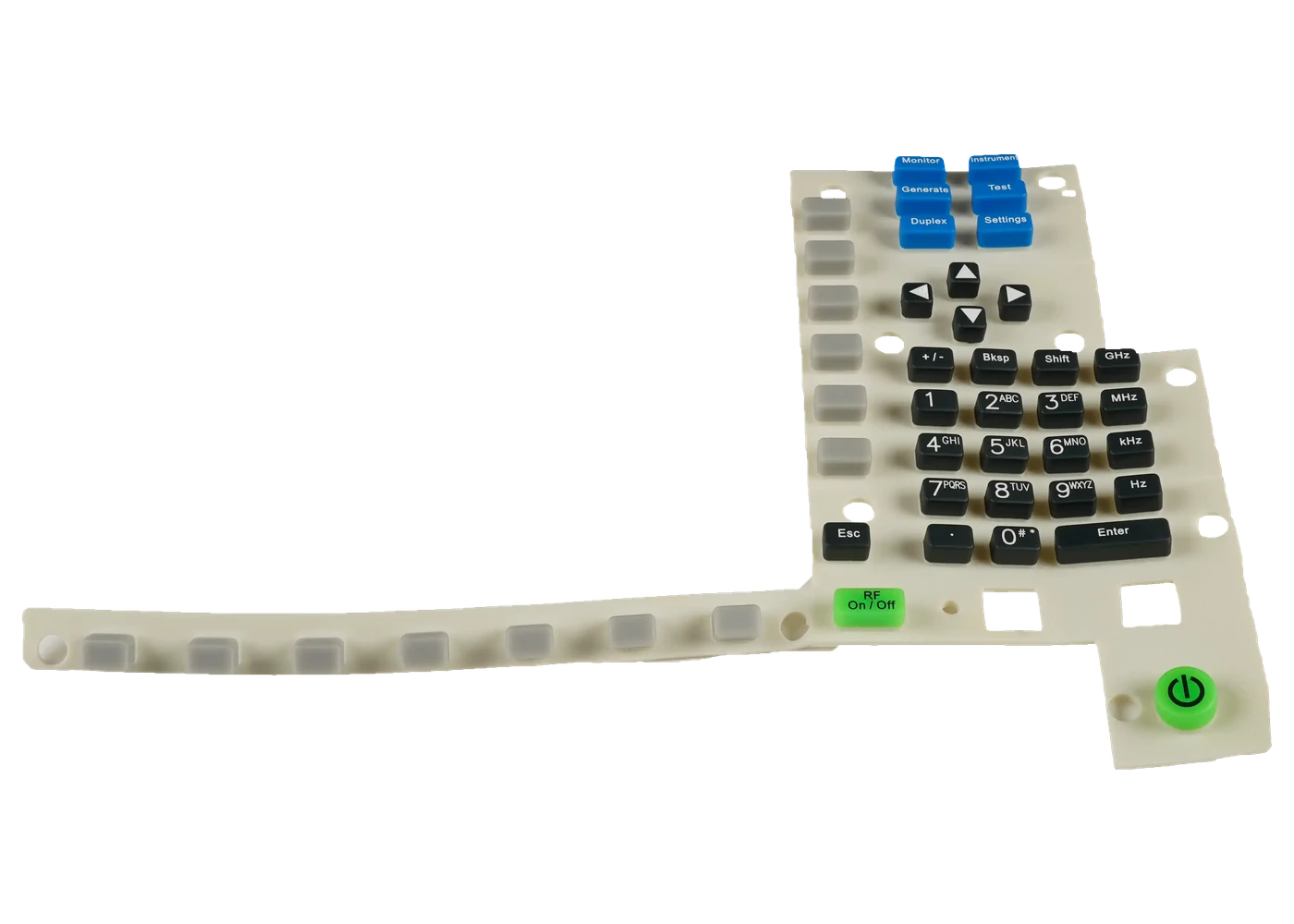
Review the complete LED-to-legend path when optical uniformity is the primary risk.
Review Resource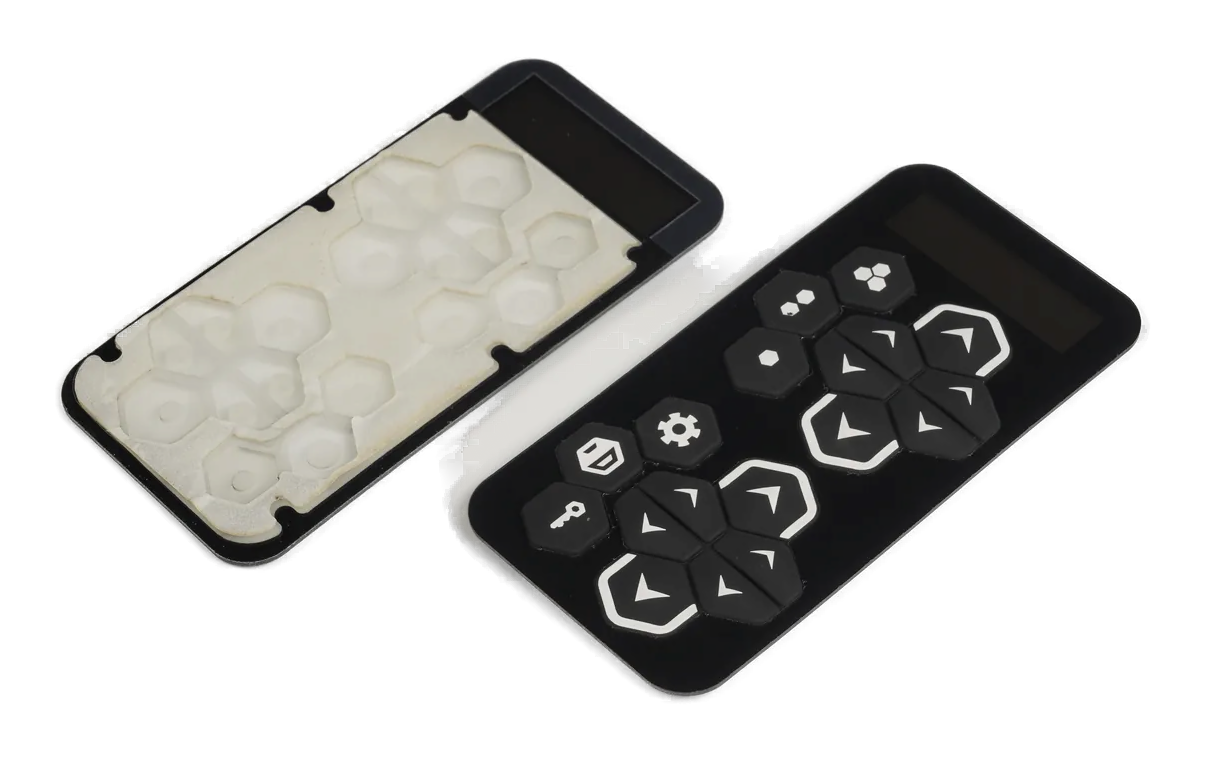
Extend responsibility through the PCB, LEDs, connector, carrier, and final functional inspection.
Review Resource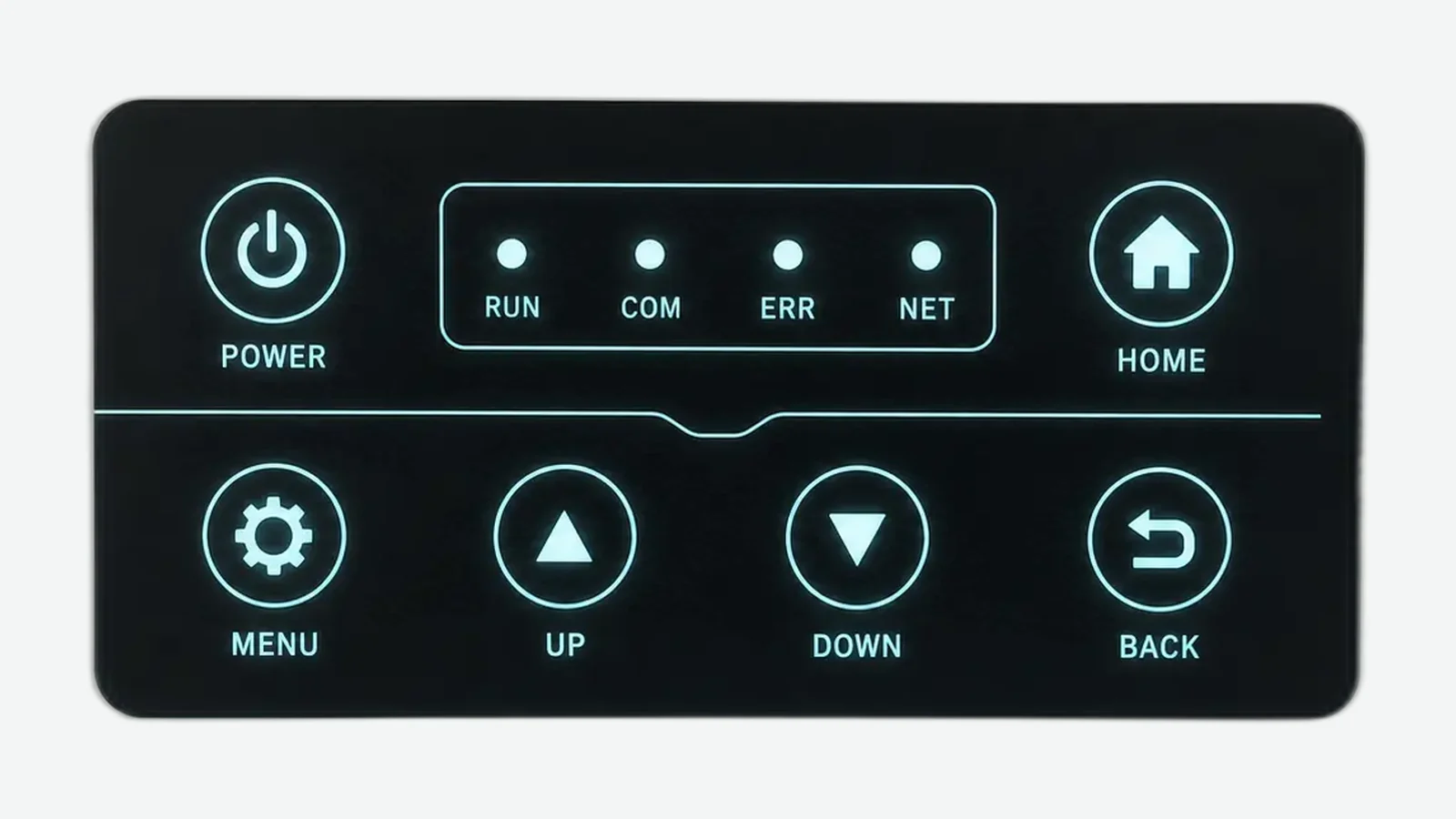
Compare light sources, windows, barriers, powered states, and viewing conditions.
Review ResourceJASPER can review the molded surface, coating, laser opening, legend artwork, LED path, cleaning, wear evidence, and retained first article as one laser-etched silicone keypad.
Share the project basics. JASPER will review the stack, materials, connector, quantity, and production risks.