
Feasibility and inputs
Review dimensions, key or sensing zones, artwork, circuit, tail, connector, materials, enclosure, environment, quantity, and any fixed components or standards.
A prototype is useful when everyone agrees what it must prove. JASPER supports sample builds for custom interface parts and assemblies so OEM teams can close drawing, fit, feel, circuit, optical, material, and assembly decisions before repeat production.
Prototype scope should follow project risk rather than a fixed quantity or cosmetic standard. An early appearance model may confirm size and graphics but cannot prove a production circuit, adhesive, tactile dome, optical stack, or environmental seal. Before quoting samples, JASPER reviews the latest drawing, intended construction, enclosure, electronics, exposure, quantity, and the questions the sample must answer.
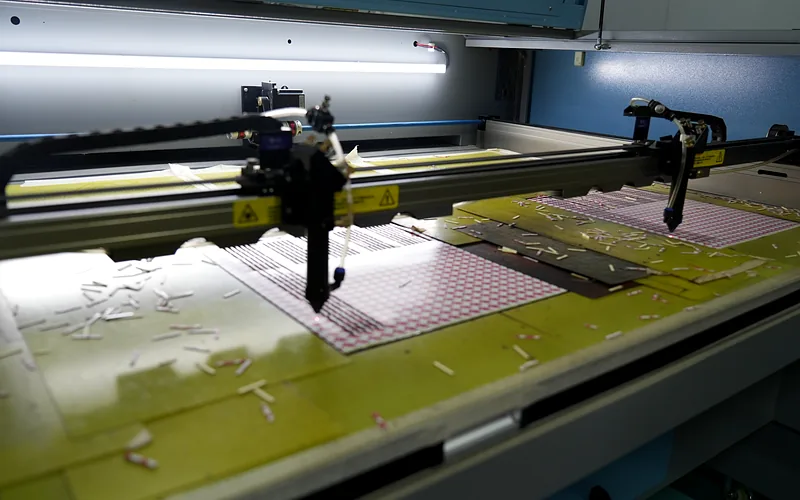
Projects can enter at different stages, but skipping the question behind a sample usually creates rework later. Each gate should end with a documented decision or an explicit next experiment.
Review dimensions, key or sensing zones, artwork, circuit, tail, connector, materials, enclosure, environment, quantity, and any fixed components or standards.
Define the proposed layer stack, tooling assumptions, print and converting route, purchased components, assembly boundary, open risks, and sample purpose.
Evaluate the agreed appearance, dimensions, fit, actuation, electrical behavior, lighting, windows, adhesive, connector, sensor, or assembly characteristics.
Convert comments into a controlled drawing and approval record. Confirm which sample becomes the production reference and what still belongs to customer system validation.
A lower-fidelity sample can be the correct choice early. It becomes a problem only when its evidence is used to approve a different construction or production stage.
| Prototype purpose | What it can establish | What it cannot establish alone |
|---|---|---|
| Artwork and physical layout | Overall size, icon hierarchy, key grouping, window position, basic enclosure fit | Final color, print durability, circuit, tactile response, adhesive, or environmental behavior |
| Functional interface sample | Circuit map, key operation, connector, LED, sensor, or touch interaction using defined components | Full production repeatability or finished-device qualification |
| Production-intent sample | Proposed materials, processes, tooling, assembly, appearance, fit, and agreed inspection points | Customer system validation outside the quoted component and test scope |
| Pilot or pre-production build | Work instructions, inspection flow, packaging, traceability, change control, and repeatability on an agreed lot | Unlimited process capability or future changes not represented by the pilot |
A complete package shortens technical clarification and makes quotations comparable. Mark unknowns honestly instead of filling them with assumed values.
Send dimensions, artwork, key map, circuit or pinout, tail and connector, enclosure or mounting surface, material preferences, environment, sample quantity, annual volume, and the questions the sample must answer.
Often yes, if the purpose and substitutions are documented. The quotation should state which elements are representative and which must change before production-intent approval.
No. The approved production reference should be identified after comments are closed and the sample represents the released materials, construction, artwork, circuit, tooling, and assembly scope.
Timing depends on drawing readiness, materials, tooling, purchased components, process route, sample quantity, required tests, and revision cycles. JASPER confirms timing after reviewing the actual package rather than publishing one universal lead time.
Send the current drawing, enclosure context, electronics, environment, quantities, and approval priorities. JASPER will review the sample purpose and open decisions before proposing a build route.
Share the project basics. JASPER will review the stack, materials, connector, quantity, and production risks.