
Technical fit
Share the product family, drawing, circuit, enclosure, materials, environment, quantities, standards, schedule, and unresolved risks. Confirm that the intended construction fits the supplier's actual process.
Selecting a membrane switch manufacturer is a component-risk decision, not a directory search. JASPER supports custom membrane switches and related interface assemblies from drawing review and production-intent samples through controlled printing, converting, assembly, inspection, repeat orders, and change review.
JASPER is a China-based custom interface manufacturer serving OEM programs that need membrane switches, graphic overlays, silicone keypads, capacitive touch panels, seat sensors, HMI assemblies, and printed electrode components. Supplier approval should still be project-specific. Buyers should verify the current quality-system evidence, the exact production route, technical communication, inspection records, material control, capacity assumptions, and change process for the quoted part.
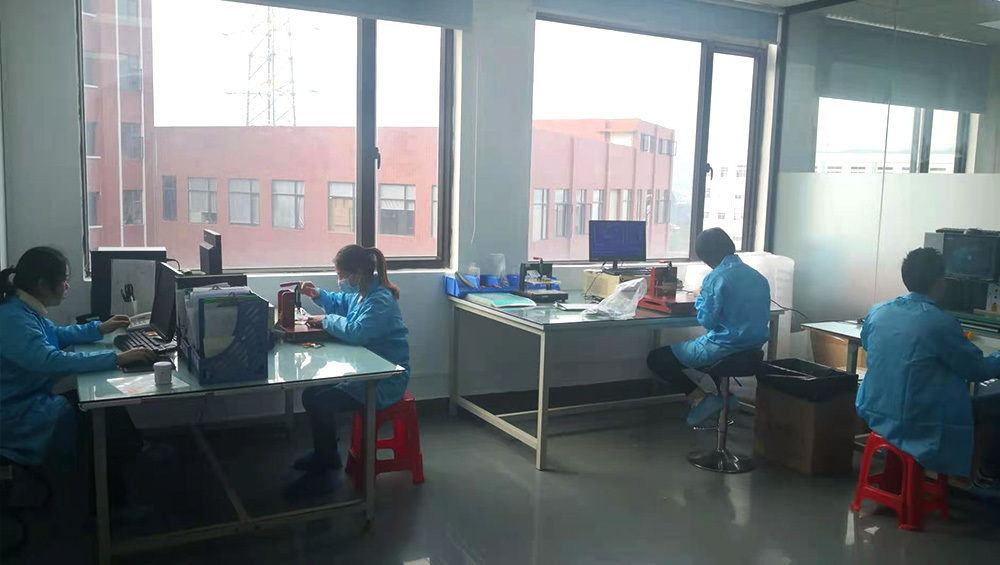
A polished sample does not answer every sourcing question. Qualification should connect technical feasibility to production and quality evidence.
Share the product family, drawing, circuit, enclosure, materials, environment, quantities, standards, schedule, and unresolved risks. Confirm that the intended construction fits the supplier's actual process.
Review current quality documents, process flow, material and component controls, sample plan, inspection capability, traceability, change control, nonconformance handling, and requested records.
Evaluate the sample in the OEM assembly for dimensions, appearance, fit, feel, circuit, connector, adhesive, lighting, windows, sealing assumptions, packaging, and revision identity.
Confirm production references, work and inspection instructions, lot records, packaging, communication, authorized changes, capacity assumptions, and the response path when a deviation occurs.
Ask for evidence tied to the part under review. A broad factory claim can be true while still being irrelevant to a specific construction.
| Qualification topic | Evidence to request | Decision it supports |
|---|---|---|
| Engineering | DFM comments, drawing hierarchy, open-risk list, stack proposal, sample purpose, revision workflow | Whether technical assumptions will be visible before tooling |
| Production | Actual route, equipment and fixtures, purchased components, in-process controls, critical subcontract scope | Whether the quoted construction can be repeated and contained |
| Quality | Current certificates, inspection plan, measurement and test methods, records, deviations, corrective action and change process | Whether supplier evidence matches the OEM's acceptance and regulatory needs |
| Commercial continuity | Capacity basis, tooling ownership, lead-time assumptions, packaging, forecast process, communication and contingency plan | Whether prototype success can transition to sustainable supply |
A useful first quotation should identify assumptions and exclusions, not only price a rectangle from an annual quantity.
Send dimensions, artwork, circuit and pinout, key map, tail and connector, enclosure or mounting surface, materials, environment, quantities, schedule, compliance needs, inspection records, and the questions the first sample must answer.
Compare technical assumptions, actual process scope, current quality evidence, sample purpose, inspection plan, communication, change control, records, packaging, capacity basis, tooling terms, and total risk, not unit price alone.
JASPER reviews prototype and production requirements together. Feasible quantities, tooling, materials, schedule, and repeat route depend on the construction and should be confirmed after the drawing package is reviewed.
NDA review can be requested before confidential files are exchanged. State the NDA requirement in the first contact so the document path is agreed before drawings or proprietary samples are sent.
Share the technical package, volumes, evidence requirements, and supplier-review questions for a project-specific feasibility and quotation response.
Share the project basics. JASPER will review the stack, materials, connector, quantity, and production risks.