
Sensing principle
ControlConfirm contact, resistance-responsive, FSR-type, or another released method before specifying output.
Failure modeA generic pressure-sensor label hides incompatible electrical behavior.
A car seat pressure sensor must convert the installed cushion load into a repeatable component response that the customer electronics can evaluate. The useful design target is tied to the real foam, trim, support, sensing zone, and test method.
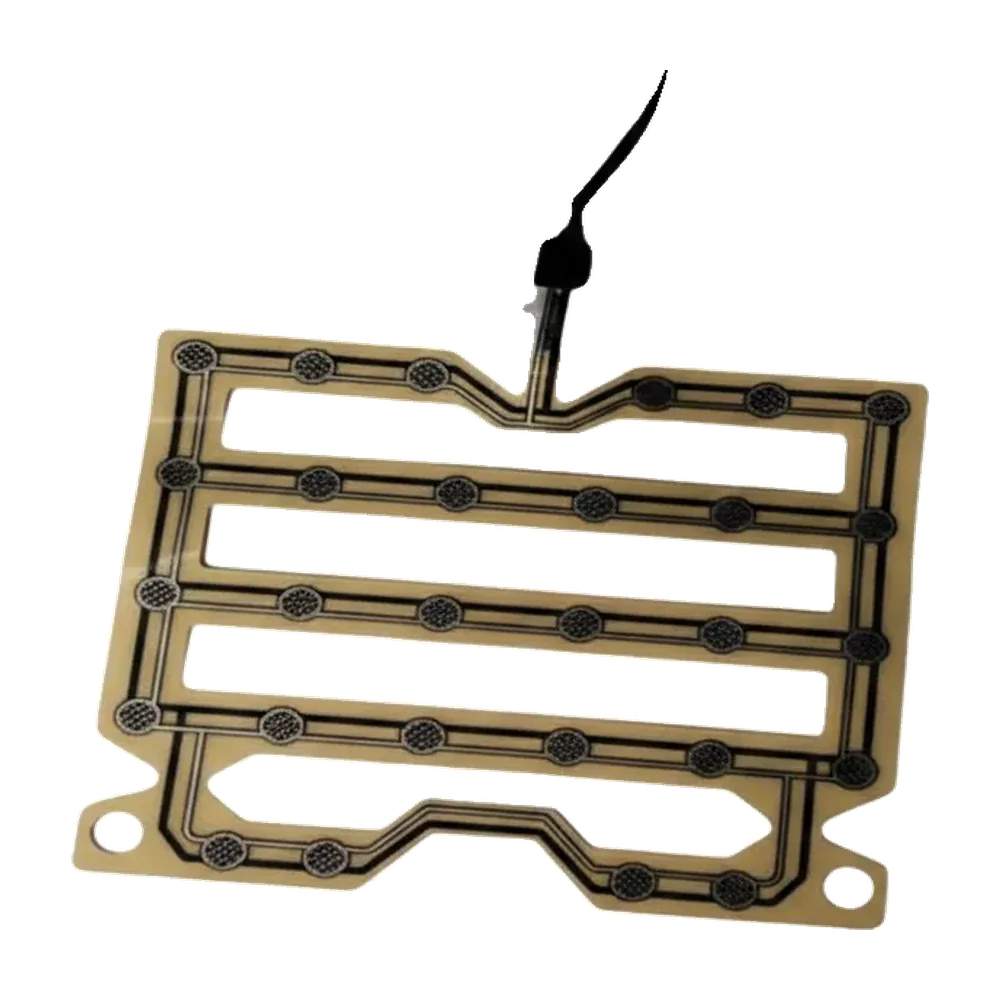
A car seat pressure sensor is a thin component placed in a vehicle-seat cushion stack to respond when force reaches a defined sensing area.
The term can describe contact-type mats, resistance-responsive designs, confirmed FSR-type sensors, or another released structure. The customer signal requirement should choose the technology, not the keyword used in sourcing.
JASPER manufactures the component and its interconnect. The customer controls signal interpretation, thresholds, filtering, calibration, diagnostics, classification, reminder behavior, and vehicle validation.
The sensor, cushion, electronics, and fixture must describe the same condition.
Confirm contact, resistance-responsive, FSR-type, or another released method before specifying output.
Failure modeA generic pressure-sensor label hides incompatible electrical behavior.
Map foam compression, trim preload, support points, bolsters, seams, and common occupant postures.
Failure modeThe active zone sees a different pressure than the assumed test load.
Define the measured state or curve, fixture, loading area, rate, dwell, conditioning, and acceptance.
Failure modeA single force number is copied without a reproducible method.
Release active area, conductor pattern, spacer or sensing shape, exclusions, and tolerances.
Failure modeSmall position changes produce large response variation.
Name excitation, measurement approach, connector, pinout, cable, filtering boundary, and customer ownership.
Failure modeThe sample works on one meter but not with the intended controller.
Compare component data with occupied, empty, preload, object, edge-load, and repeated-seat cases.
Failure modeBench data is approved without proving installed behavior.
The released specification should make the pressure state reproducible without implying vehicle-system performance.
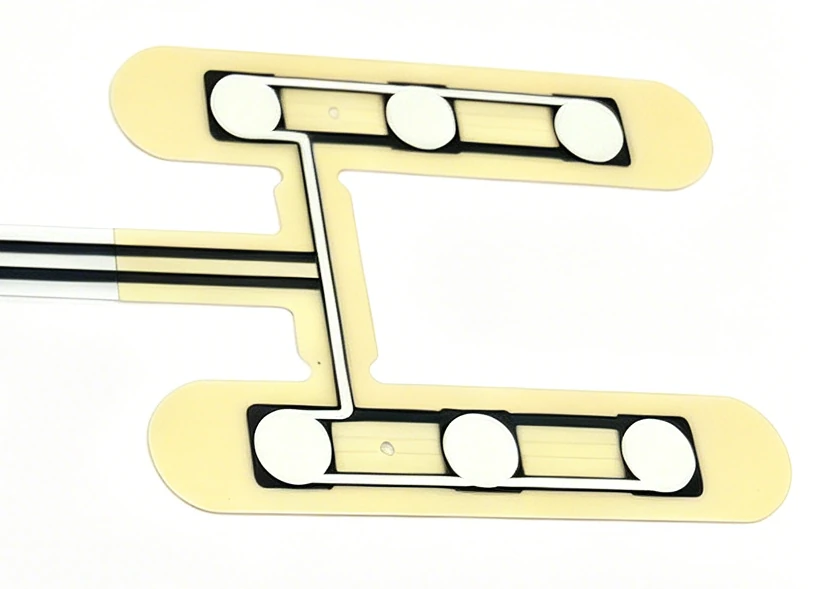
A small hard platen, a broad foam load, and a seated occupant can produce different stress at the same nominal force. The project should use a fixture or seat method that represents the intended decision.
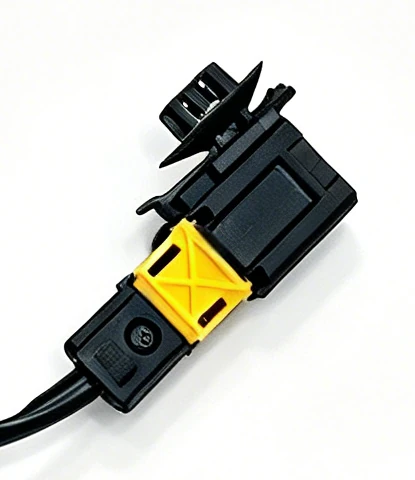
The sensor can provide a contact or pressure-related electrical response. Filtering, thresholding, diagnostics, classification, warning behavior, and safe-state decisions belong to customer electronics and vehicle validation.
Review cushion section, foam behavior, upholstery tension, support, sensing zone, and installation boundary.
Release sensing principle, signal expectation, tail direction, cable protection, connector, and test access.
Check fit, false activation, occupied response, cable strain, connector fit, and repeatability in the real seat.
Lock drawing, material stack, circuit, connector, inspection, packaging, retained sample, and revalidation triggers.
Check trim preload, hard supports, active-zone size, fixture area, foam state, signal threshold, and sensor position.
Review load coverage, foam thickness, zone placement, circuit route, contact gap, and customer measurement method.
Compare conditioning, temperature, dwell, material lot, adhesive stack, connector, fixture, and electronics.
Inspect tail strain, connector contact, conductor routing, zone overlap, cushion movement, and measurement filtering boundary.
Pressure or contact response from a defined front or rear passenger cushion zone.
Occupied-seat component used with a separate buckle signal and customer warning logic.
Project-defined seat-state detection for specialty vehicles and equipment.
Custom zones and routing for bench, split, folding, or modular rear seats.
Pressure components for bus, taxi, shuttle, and work-vehicle passenger seats.
Non-standard cushions requiring a shaped sensor, protected lead, and named response method.
A useful RFQ connects the required signal to a reproducible load and installed cushion.
The terms often overlap. Pressure sensor emphasizes the sensing input; occupancy sensor emphasizes the intended seat-state function. The released signal and system boundary matter more than the label.
JASPER can review the sensing principle, active-zone geometry, printed structure, tail, connector, component test, and sample iterations. Final customer thresholds and system decisions remain outside the component scope.
No. Some projects use contact-type membrane sensing or another resistance-responsive structure. FSR should be claimed only when the sensing principle is confirmed.
Name the fixture, loading area, surface, force application, rate, dwell, unload sequence, conditioning, measurement circuit, sample state, and acceptance criteria.
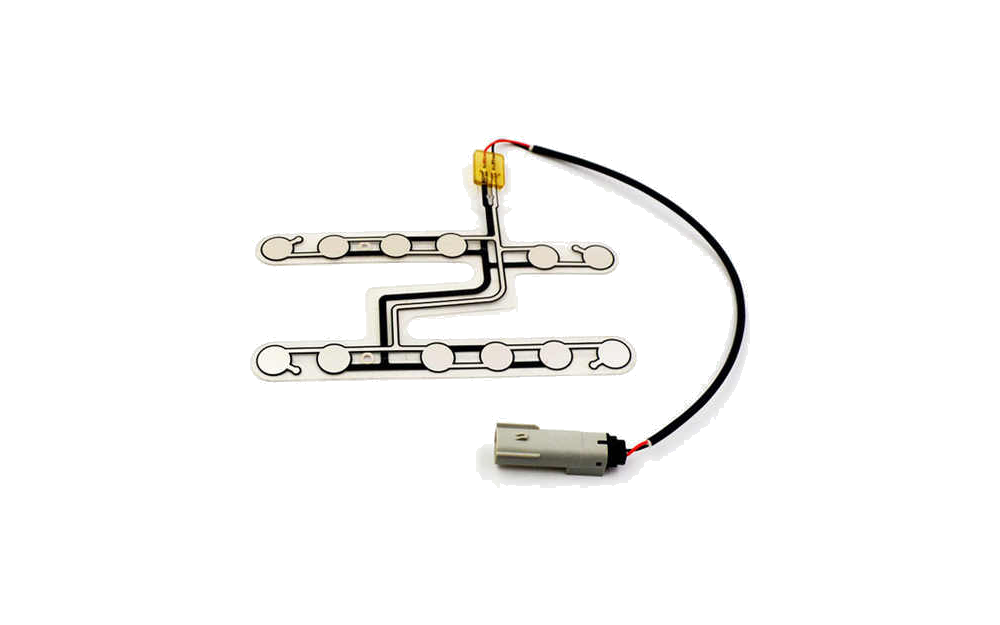
Compare seat sensor routes and the component-level responsibility boundary.
Review Resource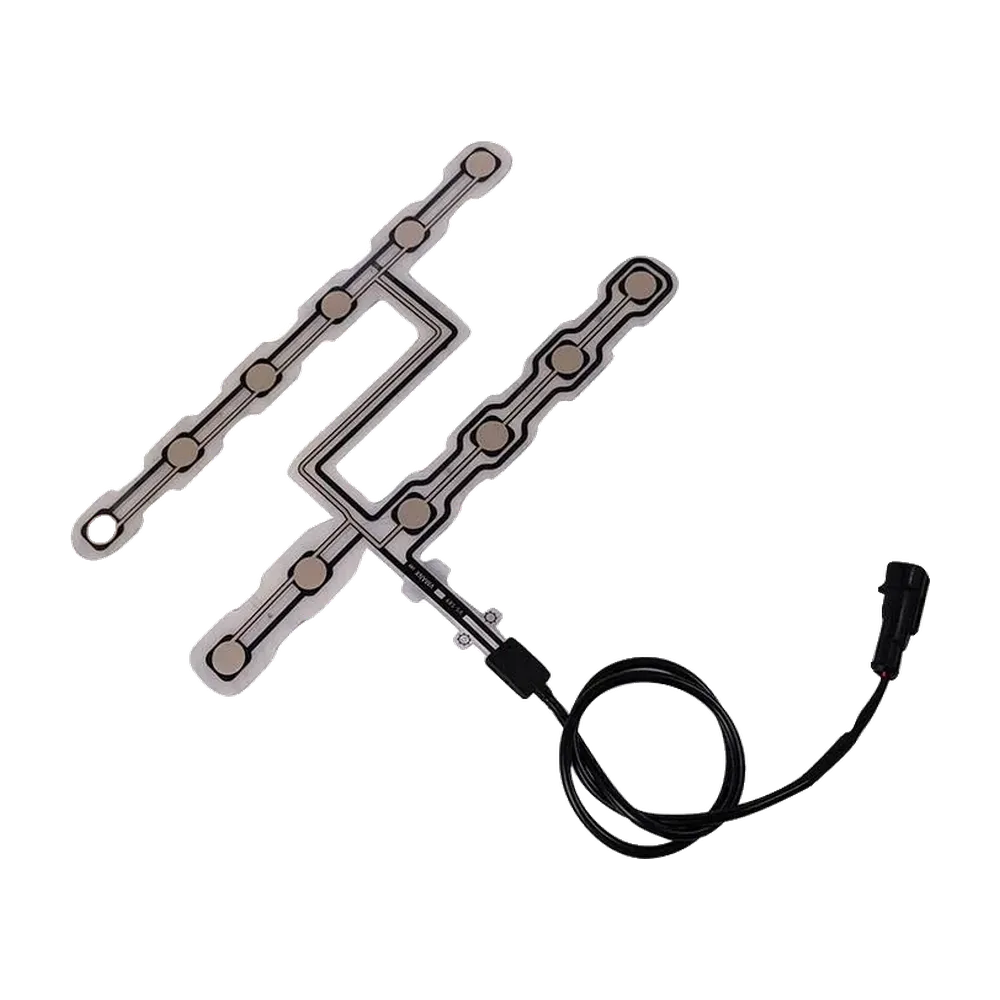
Review printed layers, spacer geometry, lamination, tail, and connector decisions.
Review Resource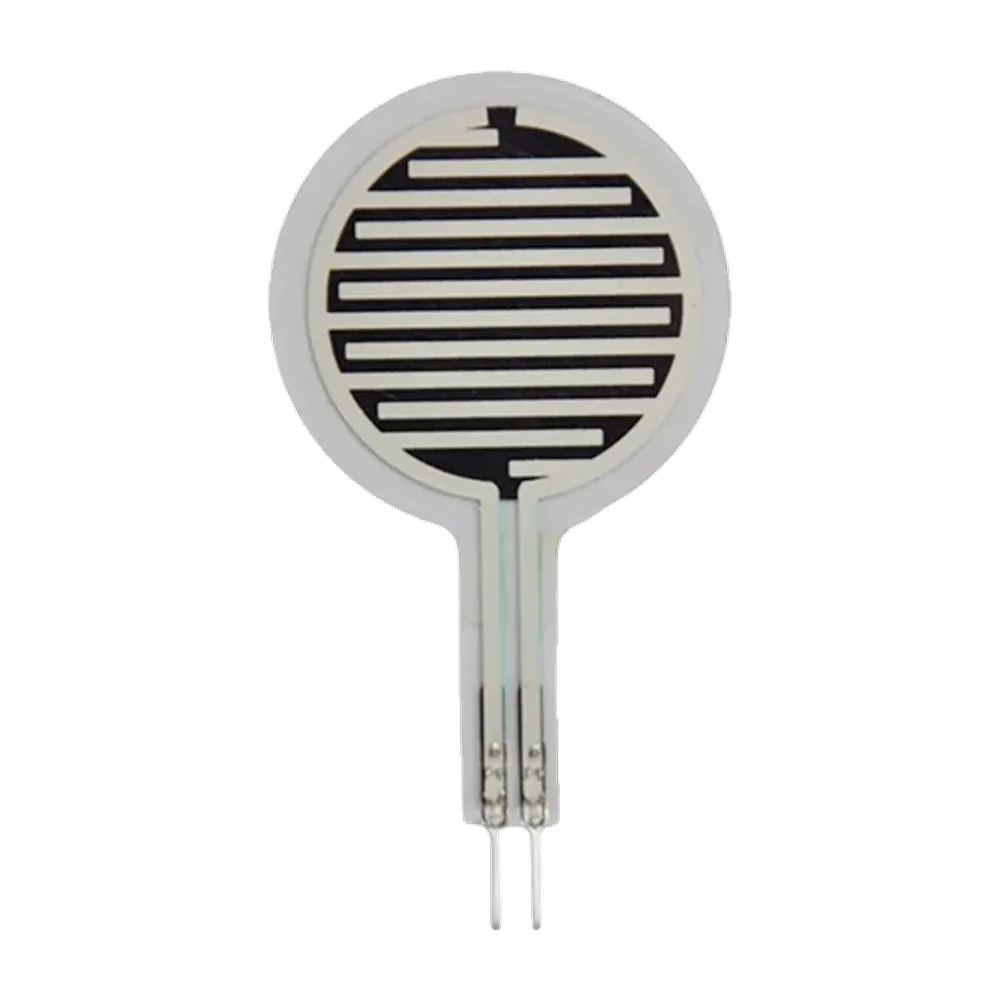
Use this route only when force-sensitive resistor behavior is confirmed.
Review ResourceJASPER can review the sensing route, load path, active geometry, interconnect, component evidence, and production controls for your released seat and electronics interface.
Share the project basics. JASPER will review the stack, materials, connector, quantity, and production risks.