
Functional definition
Identify whether carbon serves as working electrode, contact, resistor, heater, shield, or other printed function and define the electrical, electrochemical, mechanical, environmental, and downstream interfaces.
Carbon printed electrodes can provide custom contact, sensing, resistive, or electrochemical geometry on flexible or rigid-compatible substrates. JASPER reviews the actual carbon ink, layer order, conductive routing, dielectric, registration, tail, connector, conversion stack, handling, and inspection rather than treating all black prints as equivalent.
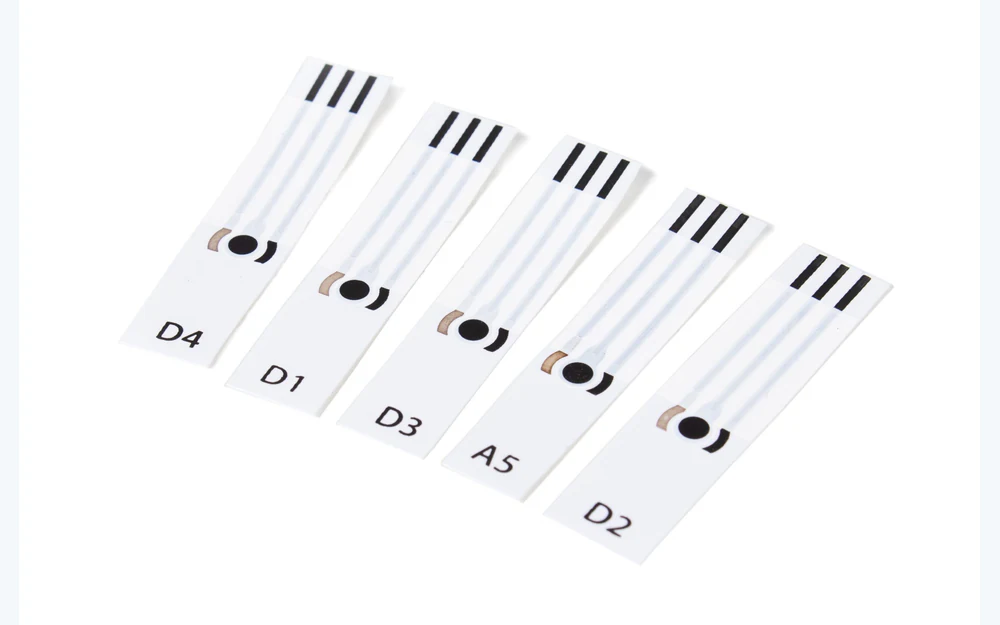
JASPER can manufacture screen-printed carbon electrode and sensor-array components to customer artwork. The phrase carbon printed electrode does not define one resistance, surface chemistry, electrochemical window, adhesion, thickness, or durability. Ink formulation, substrate, print count, cure, conductor underlayer, dielectric edge, contact area, conditioning, environment, and downstream chemistry must be specified or evaluated for the project.
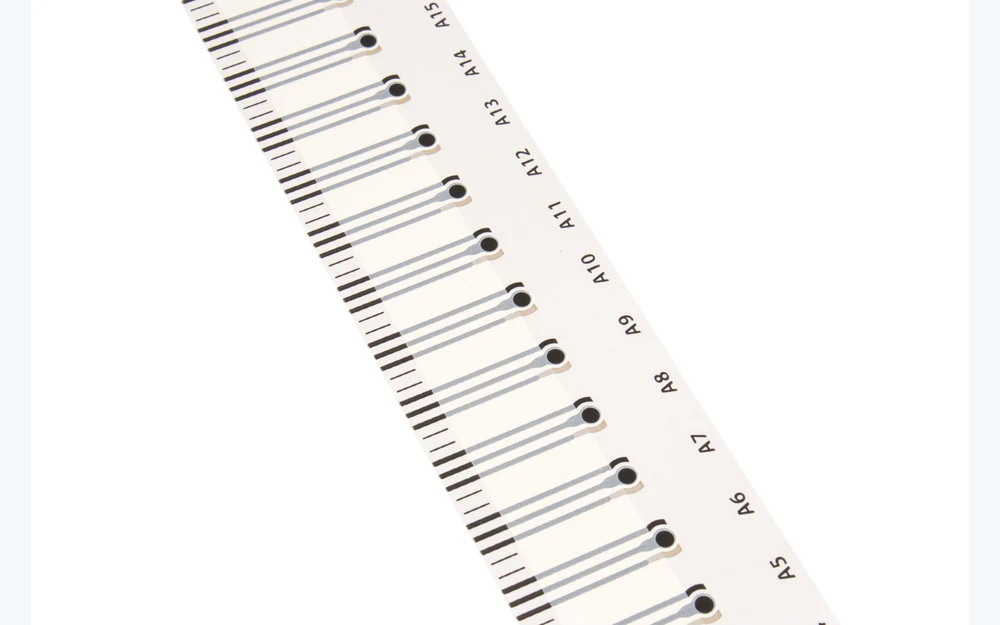
A stable artwork file is necessary but not sufficient. Materials, print process, conversion, and measurement conditions also form the production baseline.
Identify whether carbon serves as working electrode, contact, resistor, heater, shield, or other printed function and define the electrical, electrochemical, mechanical, environmental, and downstream interfaces.
Define substrate, carbon and conductor inks, dielectric, print order, cure, electrode area, traces, contacts, tail, connector, converted stack, datums, tolerances, protection, and active revision.
Build samples with proposed materials and process, then correlate geometry, resistance, adhesion, appearance, circuit, connector, conversion, and agreed electrochemical checks to the OEM system.
Maintain material and ink identity, process records, inspection methods, approved references, packaging, storage, traceability, deviations, and authorization for substitutions or process changes.
The right acceptance method depends on what the carbon layer does in the final device.
| Carbon function | Useful project controls | Do not assume |
|---|---|---|
| Electrochemical working area | Ink identity, area, surface, conditioning, reference setup, electrolyte, potential or current method, cleanliness | Universal sensitivity, selectivity, response, or usable chemistry |
| Resistive element | Geometry, sheet or path resistance method, temperature, cure, contacts, tolerance, aging and load | One resistance value for every print thickness and pattern |
| Contact or conductor interface | Overlap, bus material, contact pad, connector pressure, surface protection, continuity and resistance method | Carbon automatically replaces a metal conductor in every circuit |
| Converted patch or strip | Registration, dielectric edge, spacer, adhesive, fluid path, liner, cut edge, packaging and storage | A bare printed coupon represents the converted finished component |
Provide the function first. The same carbon-looking geometry can require a very different material, process, and acceptance plan.
Candidate films or other printable substrates depend on temperature, ink cure, flexibility, chemistry, adhesion, conversion, handling, and finished-device requirements. JASPER confirms the actual material after reviewing the stack.
Hybrid stacks can use a lower-resistance conductor with carbon functional or contact areas, plus dielectric and other layers. Overlap, cure compatibility, registration, corrosion risk, and exposed areas must be defined.
A target can be reviewed when the ink, substrate, print and cure process, geometry, conditioning, instrument, probe or fixture, temperature, sampling, and acceptance tolerance are defined. It is not a universal carbon-ink property.
JASPER can review converted layers such as spacer, adhesive, liner, tail, connector, label, and packaging. Gel, reagent, sterilization, final packaging, or other medical-device operations are included only when explicitly agreed.
Send the electrode artwork, carbon function, stack, measurement method, downstream interface, quantities, and change-control needs for review.
Share the project basics. JASPER will review the stack, materials, connector, quantity, and production risks.