
System and regulatory inputs
Define intended defibrillator use, pad placement, patient population, waveform and energy boundary, device models, connector, cable, standards, risk controls, body contact, packaging, shelf life, and legal manufacturer.
Defibrillator and AED pads are high-energy patient-contact components whose safety and performance depend on the complete pad, cable, connector, gel, packaging, storage, defibrillator waveform, placement, and device validation. JASPER reviews printed conductor and converted pad-component manufacturing only against an OEM-controlled specification and test plan.
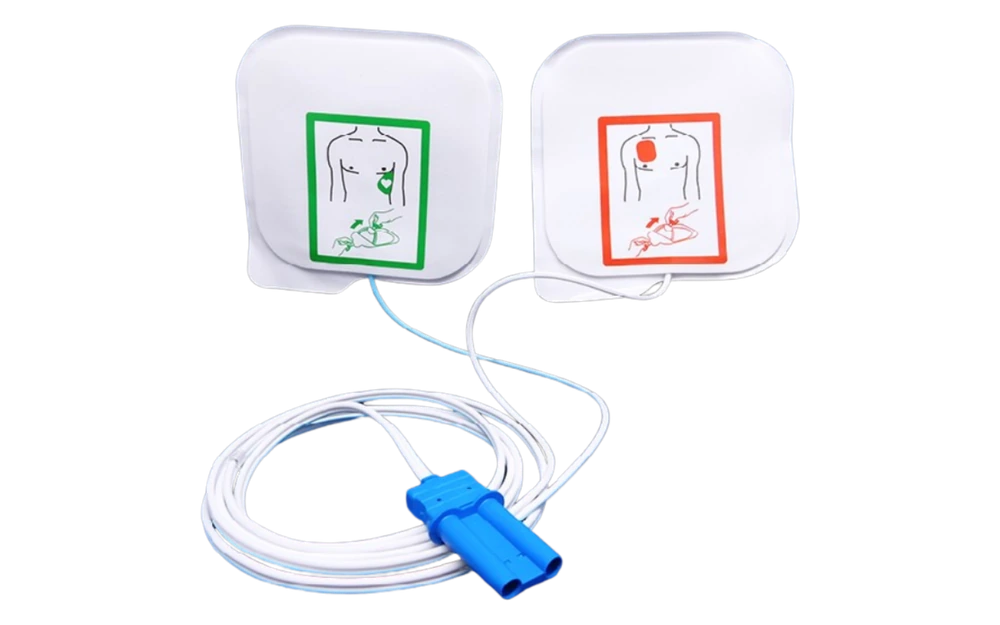
JASPER can review manufacture of printed or converted electrode-pad components when the legal manufacturer supplies the released design, material stack, interface media, connector requirements, production controls, and validation methods. JASPER does not publish universal impedance, energy, current-density, adhesion, shelf-life, or clinical-use claims for AED pads. The OEM owns applicable standards, risk management, usability, biological safety, packaging validation, and finished-device release.
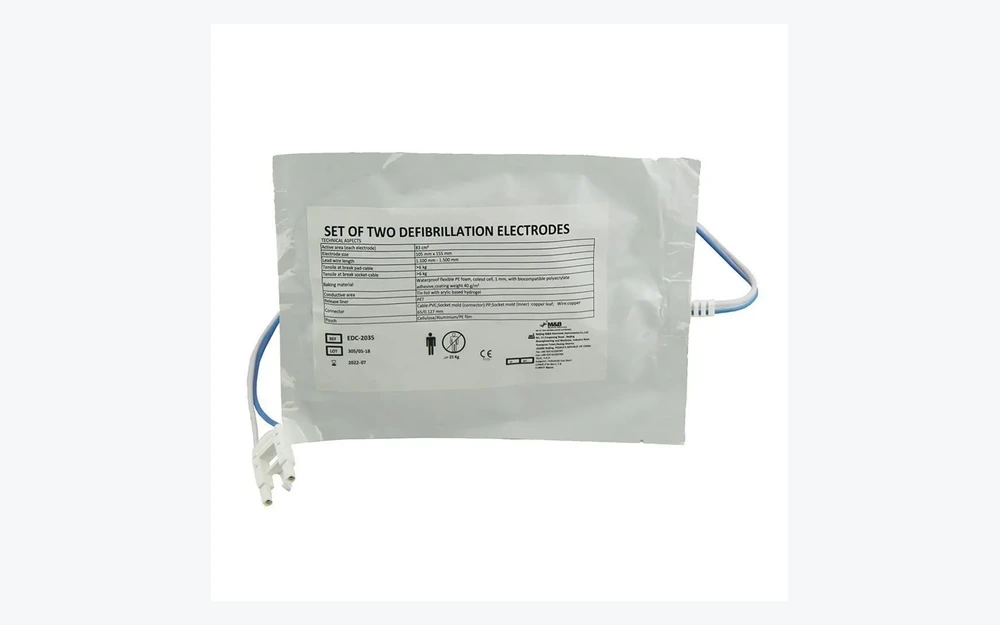
Safety-critical requirements must be released before production, with no assumption that a visually similar pad is electrically or clinically equivalent.
Define intended defibrillator use, pad placement, patient population, waveform and energy boundary, device models, connector, cable, standards, risk controls, body contact, packaging, shelf life, and legal manufacturer.
Release backing, conductor, dielectric, conductive area, gel boundary, adhesive, spacer or foam, cable or tail, strain relief, connector, liner, pull tab, label, outline, datums, and material identity.
Build samples using proposed materials and process, then inspect dimensions, registration, circuit, connector, gel and adhesive interfaces, edge condition, assembly, packaging compatibility, and the OEM-defined component checks.
Connect approved samples, process controls, fixtures, lot records, material traceability, packaging, aging lots, deviations, change control, and OEM finished-device release evidence.
The legal manufacturer determines the applicable standards and acceptance criteria. IEC 60601-2-4 may be relevant to cardiac defibrillator equipment, but a component page does not establish compliance.
| Evidence layer | Examples to define | Primary owner |
|---|---|---|
| Printed and converted component | Geometry, material identity, registration, circuit, dielectric, connector interface, appearance, lot and process records | JASPER within the quoted component scope |
| Packaged electrode | Gel condition, moisture barrier, seal, opening, placement, adhesion, storage, aging, label and traceability | OEM/legal manufacturer and named packaging partners |
| Electrical safety and essential performance | Waveform, energy, impedance, current distribution, cable and connector, fault conditions, burns and defibrillator compatibility | OEM finished-device validation |
| Regulatory and use validation | Risk management, biological safety, usability, clinical evidence, instructions, shelf life, complaint and market requirements | Legal manufacturer |
Do not send only the outside shape. The component cannot be evaluated safely without its system, packaging, and validation context.
JASPER reviews printed and converted component scope against the OEM specification. Whether gel filling, cable assembly, connector, final packaging, sterilization, labeling, or release are included must be stated explicitly; no complete-device claim should be inferred.
No component-only guarantee is appropriate. The OEM must validate the complete pad, cable, connector, waveform, energy conditions, placement, packaging, storage, labeling, and defibrillator configuration.
Provide controlled pad and layer drawings, materials, conductive and gel areas, cable or tail, connector, liner, pull tab, labels, packaging, device interface, validation criteria, quantities, standards, and legal-manufacturer responsibilities.
No. Supplier documents can support a biological evaluation, but the legal manufacturer evaluates the final finished device and actual contact conditions, including manufacturing, residues, packaging, storage, and any sterilization.
Send the controlled component stack, defibrillator interface, packaging, standards, quantities, and OEM validation plan for a scoped manufacturing review.
Share the project basics. JASPER will review the stack, materials, connector, quantity, and production risks.