
Intended component boundary
Define sensing, monitoring, stimulation, research, or other OEM function; contact type; electrode count; placement; electronics; packaging; downstream layers; and legal owner.
This anonymized case uses real JASPER printed electrode-array photographs to explain component manufacture and inspection. The images do not prove diagnostic accuracy, therapeutic effect, biological safety, sterility, shelf life, finished-device compliance, clinical use, or a named customer result.
JASPER can manufacture printed and converted electrode-array components when the OEM defines the electrode function, conductive chemistry, substrate, dielectric, contact zones, interface media, adhesive, liner, tail or connector, packaging boundary, electronics, and acceptance methods. The component should be correlated to the final electrode, patient-contact stack, packaging, storage, and device system by the legal manufacturer.
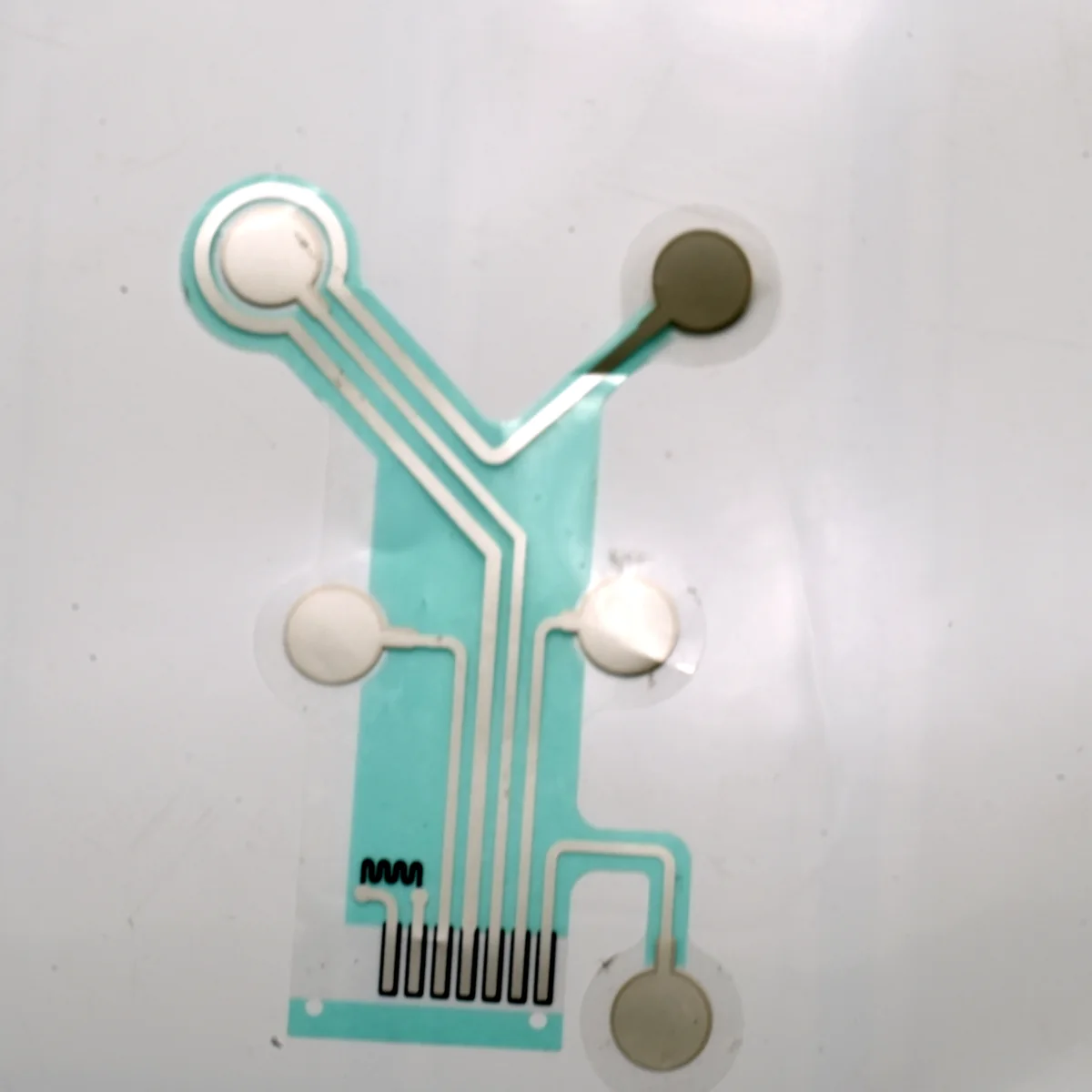
The case keeps print, conversion, interface media, packaging, electronics, and legal-manufacturer responsibilities separate.
Define sensing, monitoring, stimulation, research, or other OEM function; contact type; electrode count; placement; electronics; packaging; downstream layers; and legal owner.
Release substrate, inks, dielectric, contact and routing geometry, tail, connector pads, adhesive, spacer, interface-media boundary, liner, outline, datums, protection, and storage.
Build with proposed materials and process, then evaluate dimensions, registration, appearance, circuit, contact areas, connector, conversion, packaging compatibility, and OEM-defined component checks.
Link active files, material lots, process instructions, inspection methods, approved samples, packaging, traceability, deviations, changes, and finished-device correlation evidence.
A component page cannot convert supplier records into finished-device safety or clinical evidence.
| Evidence layer | Examples to define | Primary owner |
|---|---|---|
| Printed and converted component | Material identity, geometry, registration, circuit, dielectric, contact areas, tail, connector, outline, appearance and lot records | JASPER within the quoted component scope |
| Patient or sample interface | Gel, hydrogel, adhesive, membrane, fluid path, skin-contact materials, body site, duration, cleaning and residues | OEM/legal manufacturer and named material owners |
| Packaging and storage | Barrier, seal, moisture, liner, opening, placement, sterilization if applicable, aging, storage and shelf life | OEM/legal manufacturer and packaging partners |
| Finished-device performance | Electronics, signal or energy, algorithm, accuracy, therapy, usability, biological safety, clinical evidence and market authorization | Legal manufacturer |
Do not request a medical electrode by outside shape alone. The print chemistry, interface media, packaging, electronics, and validation boundary are core inputs.
Yes. The page uses source-derived photographs of real JASPER printed and converted electrode components. Only visible component scope is claimed.
No. Clinical use requires the legal manufacturer's finished-device design, biological safety, performance, packaging, aging, usability, regulatory, and other applicable evidence.
The agreed scope can include material identity, dimensions, registration, appearance, continuity, isolation, contact area, dielectric coverage, tail or connector geometry, conversion, protection, packaging compatibility, and requested lot records.
Provide released geometry, materials, interface stack, connector, intended function, contact conditions, packaging boundary, electronics, quantities, component checks, finished-device owner, and open validation questions.
Send the controlled artwork, material stack, interface media, electronics, packaging, quantities, and validation ownership for review.
Share the project basics. JASPER will review the stack, materials, connector, quantity, and production risks.