
Seat and use definition
Define seat structure, trim, foam, support, expected loads, placement, installation, user states, electronics, diagnostics, environment, and legal owner.
This anonymized case uses photographs derived from real JASPER seat-sensor samples to explain the path from zone geometry to a repeatable flexible component. It does not claim vehicle approval, occupant-classification accuracy, threshold values, safety compliance, or a named customer result.
A flexible seat sensor does not observe an occupant independently of the foam, trim, suspension, mounting, wiring, electronics, calibration, and decision logic. The manufacturing case therefore separates the printed or switched sensing component from the installed system. JASPER can control geometry, routing, conversion, cable interface, visual and electrical checks, and production records to an OEM specification.
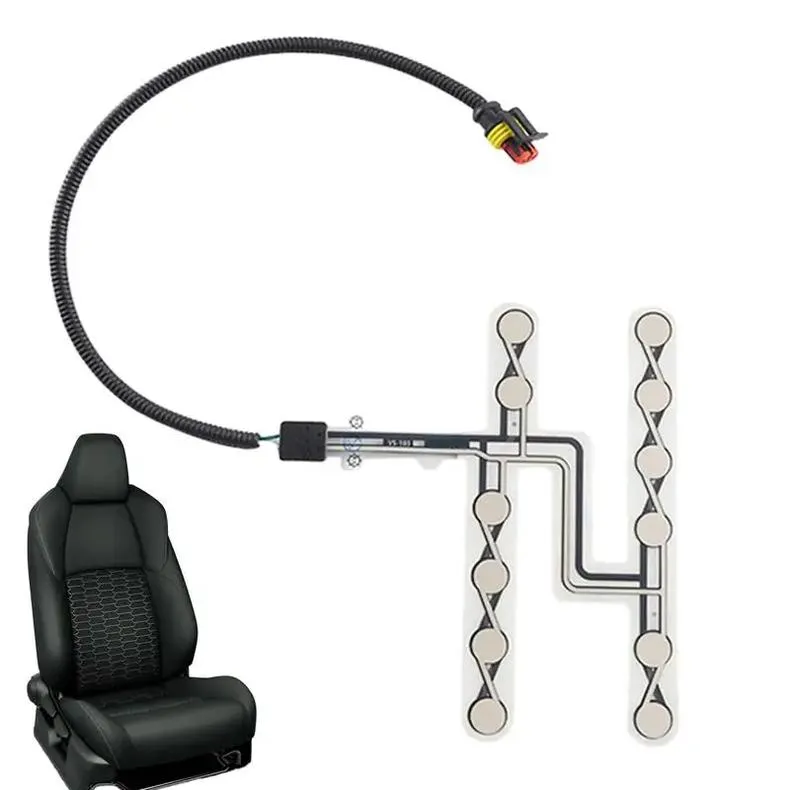
Each gate identifies what JASPER can control and what requires OEM system validation.
Define seat structure, trim, foam, support, expected loads, placement, installation, user states, electronics, diagnostics, environment, and legal owner.
Release zone geometry, spacing, traces, substrate, contacts, tail, cable, connector, protection, outline, datums, tolerances, and component acceptance methods.
Build production-intent components and correlate dimensions, electrical behavior, cable interface, installation, empty/loaded distributions, transitions, faults, and recovery in the intended seat stack.
Maintain materials, active files, process, fixtures, electrical checks, cable assembly, approved samples, records, packaging, deviations, and change notification.
A good case record states which evidence belongs to JASPER and which remains with the seat, electronics, software, and vehicle owners.
| Evidence layer | Information to define | Primary owner |
|---|---|---|
| Flexible sensor component | Geometry, zone continuity or response, trace, tail, cable, connector, dimensions, appearance, protection and lot records | JASPER within the quoted component scope |
| Seat mechanical stack | Trim, foam, suspension, support, preload, placement, installation variation, occupant and object load paths | Seat/OEM mechanical system owner |
| Electronics and calibration | Excitation, measurement, filtering, thresholds, hysteresis, diagnostics, connectors, network and change rules | OEM electrical/software owner |
| Vehicle behavior and compliance | Classification, warning logic, fault response, misuse, environmental validation, safety case and market requirements | Vehicle legal manufacturer |
The component cannot be evaluated from an outside shape alone. The seat, electronics, and intended system decision must be visible.
Yes. The displayed family derives from real JASPER sample files. The page claims only visible physical manufacturing scope and does not infer vehicle-level performance.
Thresholds require measured distributions from the intended seat stack, electronics, installation, user states, objects, environment, faults, and decision rules. JASPER can supply controlled components and agreed component evidence.
It should confirm fit, placement, routing, cable and connector, basic electrical behavior, installation, repeatability, and the plan for installed seat correlation before production release.
No. Applicable requirements, qualification, safety analysis, diagnostics, vehicle integration, documentation, and release are determined by the legal manufacturer and system owners.
Send the seat stack, zone map, output type, cable interface, electronics boundary, quantities, and validation plan for a scoped review.
Share the project basics. JASPER will review the stack, materials, connector, quantity, and production risks.