
Artwork
ControlLock visible copy, color master, fine lines, metallic effects, white support, and die line.
Failure modeLens magnification, registration, or color shift changes the intended identity.
Custom domed labels combine controlled artwork, a printed carrier, a clear cured resin profile, pressure-sensitive adhesive, and the real mounting surface. JASPER reviews the complete badge before sample or volume release.
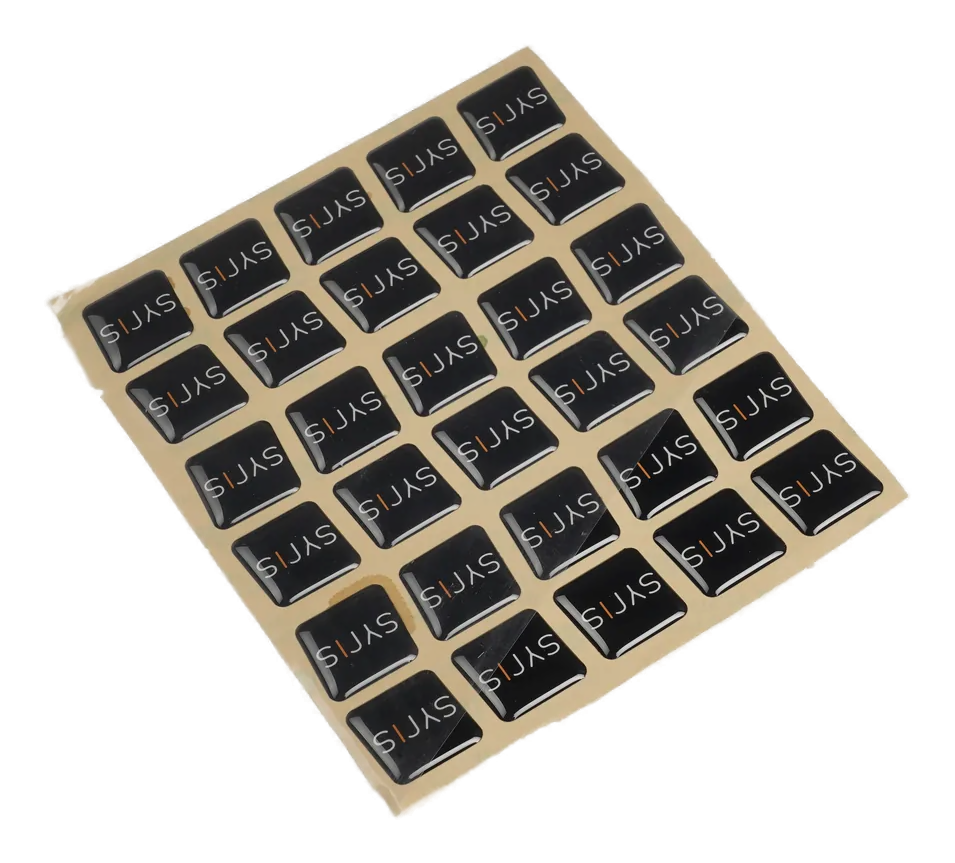
A custom domed label is a printed label or nameplate covered by a raised clear resin lens. The dome adds visual depth and surface protection, but it also changes stiffness, edge behavior, optical appearance, packaging, and installation.
The purchasable part is not a drop of resin. It includes artwork, print layers, carrier film, dome footprint and profile, cured resin, pressure-sensitive adhesive, liner, cut geometry, mounting surface, and acceptance evidence.
Use a domed badge when raised branding or a lens-like appearance is required. Use a flat label, graphic overlay, rigid panel, molded emblem, or metal nameplate when those routes better fit operation, thickness, service, or environment.
A clear sample at room temperature is only one observation. Release requirements must connect appearance to the cured stack and installed part.
Lock visible copy, color master, fine lines, metallic effects, white support, and die line.
Failure modeLens magnification, registration, or color shift changes the intended identity.
Define footprint, edge, crown, volume, keep-out, and acceptable profile variation.
Failure modeOverflow, thin edges, excessive height, or uneven flow changes appearance and handling.
Review clarity, haze, color, gloss, bubbles, inclusions, distortion, and yellowing limits.
Failure modeA generic clear-resin claim replaces measured acceptance on representative artwork.
Evaluate indentation, scratch, abrasion, bend, impact, cure stress, and packaging load separately.
Failure modeOne hardness number is treated as proof of all handling and durability behavior.
Separate dome-to-print adhesion from label-to-product adhesion.
Failure modeAn intact dome hides print-interface failure or an adhesive result is applied to the resin interface.
Approve the badge on the production surface, curve, recess, cleaner, and assembly process.
Failure modeA loose flat sample passes while the applied badge lifts, bridges, marks, or springs back.
The drawing and RFQ should define what will be printed, dispensed, cured, cut, installed, inspected, retained, and requalified.
| Decision | Options to Review | Release Question |
|---|---|---|
| Badge function | Logo, emblem, model, decorative ID, rating accent, service mark, or combined graphic | What appearance and identification must remain acceptable after installation and exposure? |
| Artwork and print | Process color, spot color, metallic effect, white support, clear area, texture, or project-defined print | Which approved master controls color, registration, fine detail, and viewing condition? |
| Carrier and geometry | Polyester, polycarbonate, vinyl, project-defined film, outline, radius, hole, slot, sheet, or roll | Can the carrier support dispensing, cutting, packaging, peeling, and the actual enclosure shape? |
| Resin route | Exact epoxy, polyurethane, or project-defined optical formulation and cure system | Which named components, ratio, condition, cure, and change controls define the candidate route? |
| Dome profile | Footprint, crown, edge, volume, flow boundary, keep-out, thickness direction, and profile sample | How will overflow, thin edges, asymmetry, and unacceptable profile variation be judged? |
| Adhesive and liner | Permanent, high-tack, removable, serviceable, die-cut coverage, liner split, and packaging route | What surface, texture, curvature, preparation, pressure, dwell, and removal expectation apply? |
| Exposure | Indoor light, UV, heat, cold, humidity, cleaner, oil, abrasion, impact, bend, and handling | Which separate optical, mechanical, chemical, and adhesion checks represent the use case? |
| Release evidence | Color master, profile sample, applied first article, exposure sample, retained reference, and inspection record | What evidence authorizes production and which changes trigger requalification? |

Each layer has a different job and a different failure boundary. The resin can remain intact while print adhesion, carrier integrity, pressure-sensitive adhesive, or the mounting surface fails.
Controls lens appearance, cured profile, edge, surface response, and resin-to-print interface.
Carries color, identity, fine detail, white support, metallic effects, and approved artwork revision.
Supports print, dispensing, die cutting, flexing, peeling, and installation.
Bonds the complete badge to the declared enclosure surface and curvature.
Protects the adhesive and defines handling, peel direction, sheet or roll format, and packaging.
Epoxy and polyurethane cover broad formulation families. A project can also use another qualified clear system or no dome at all.
Evaluate the exact optical formulation, hardener, ratio, cure, clarity, stress, and exposure.
Do not assumeDo not assume every epoxy yellows, cracks, or behaves alike.
Evaluate exact chemistry, catalyst, light stability, flexibility, surface response, and cure.
Do not assumeDo not assume every polyurethane is non-yellowing or outdoor capable.
Useful when profile, bend, impact, or installed curvature needs a different response.
Do not assumeConfirm print wetting, cure, edge, indentation, packaging, and long-term appearance.
Use a protected printed label when raised depth is unnecessary or conflicts with service and handling.
Do not assumeCompare appearance, abrasion, thickness, cost, replacement, and application risk.
The cured badge depends on incoming-part condition and the controlled production window. A touch-dry surface does not prove that the dome is ready for cutting, stacking, packaging, bending, installation, or exposure.
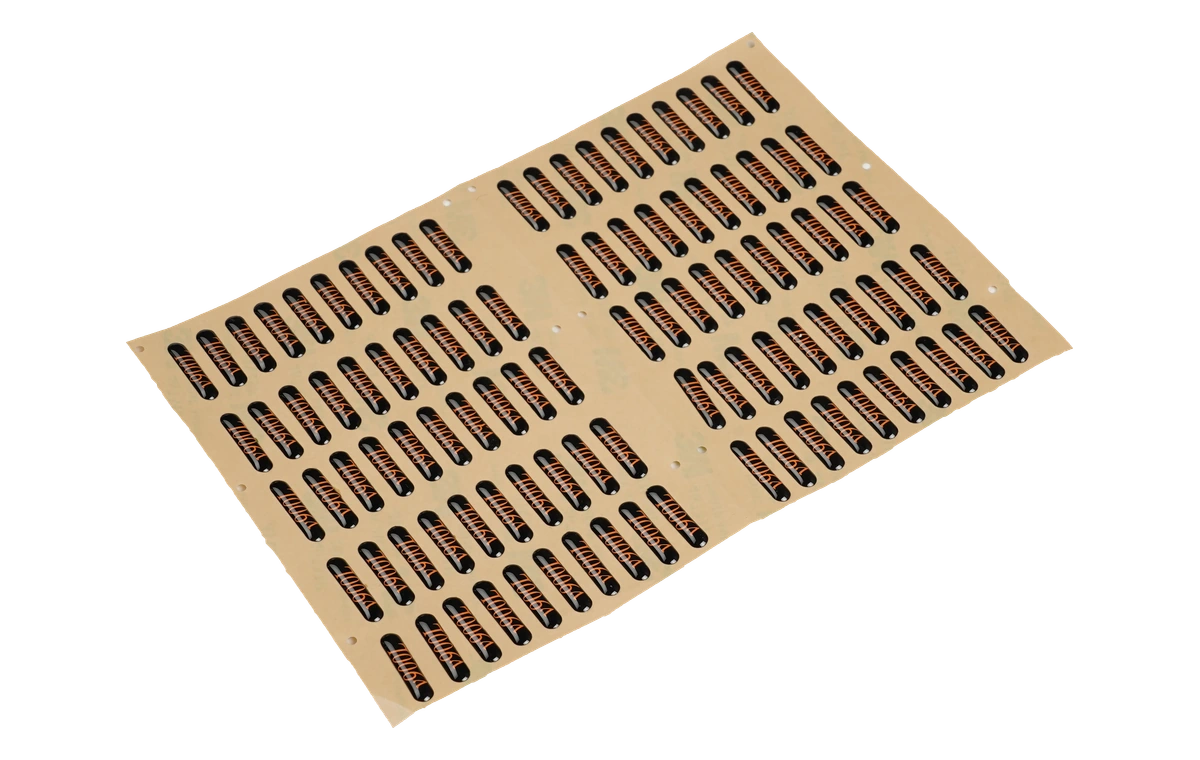
Confirm carrier, print cure, surface energy, dust, moisture, temperature, and released artwork.
Control named components, ratio, purge, bubble management, volume, path, and lot traceability.
Hold the part level and control edge wetting, footprint, crown, keep-outs, and contamination.
Use the approved time, temperature, humidity, light, post-cure, and handling boundary.
Verify appearance, profile, edges, adhesion interfaces, cut, liner, stacking load, and retained sample.
Do not label every defect a resin failure. Preserve material, process, artwork, carrier, adhesive, surface, packaging, and exposure records.
Review mixing, dispense path, print texture, contamination, trapped air, flow, and cure.
Separate resin color, print color, white support, UV, heat, cleaner, thickness, and lighting.
Review cure state, formulation, storage, stacking pressure, packaging, heat, and handling.
Review cure stress, profile, impact, bend, carrier stiffness, cutting, and installation curvature.
Review ink, print cure, contamination, surface treatment, resin wetting, and interface compatibility.
Review adhesive, enclosure chemistry, texture, curve, cleaning, pressure, dwell, and spring-back.
A flat retained sample cannot represent a curved, textured, coated, recessed, oily, or frequently cleaned product surface. Install production-intent badges using the intended preparation, pressure, temperature, dwell, and packaging sequence.

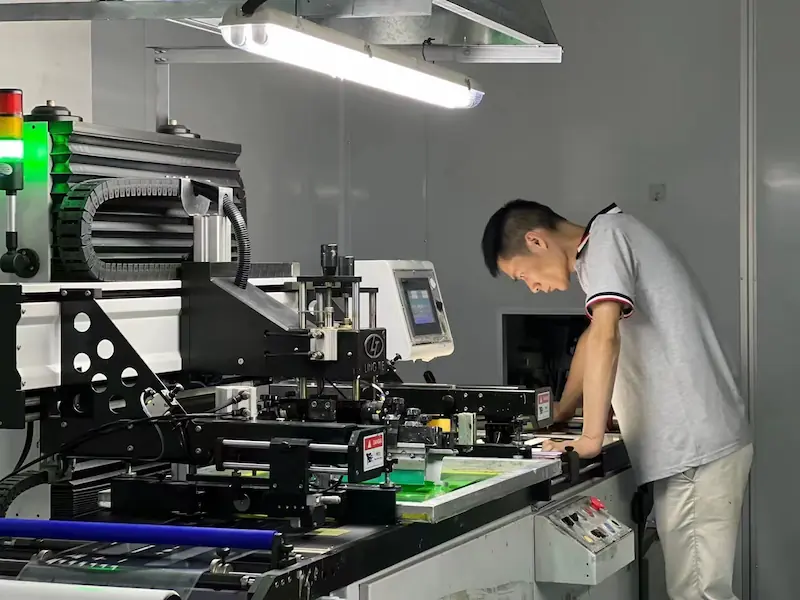
A production release should identify the approved resin components, print, carrier, adhesive, outline, dome program, cure, enclosure, inspection method, packaging, and retained evidence. Family-name substitution is not an approved change.
The common requirement is a compact raised identity part whose artwork, optical state, profile, and installed bond can be approved together.
Raised maker, model, series, control, and service badges on declared housings.
Glossy brand and feature emblems coordinated with panel color, curve, cleaner, and handling.
Compact identity badges reviewed for cleaning, recess, edge, service, and appearance.
Decorative product marks reviewed for light, heat, cleaner, curvature, and trim integration.
Raised model, brand, or feature badges exposed to handling, abrasion, oil, and impact.
Lens-like branding near displays, controls, bezels, and enclosure seams.
Early files are enough to start. A vector artwork file, dimensioned outline, enclosure photograph or drawing, and exposure summary let engineering identify the missing release decisions.
A custom domed label is a printed and die-cut carrier covered by a controlled clear resin profile, then supplied with the adhesive and liner needed for installation. The finished part must be released as one optical, printed, mechanical, and adhesive stack.
No. Resin-family names are only starting directions. Compare the exact resin, hardener, mix, cure, dome profile, print, carrier, adhesive, mounting surface, curvature, and exposure. Release the candidate construction that meets the project's measured acceptance limits.
Potentially, but the complete badge must be evaluated on the intended curve. Dome stiffness, carrier flexibility, edge profile, adhesive contact, application pressure, dwell, temperature, and spring-back can all change the installed result.
Those symptoms can begin in different places. Material formulation, mixing, trapped air, contamination, cure, print compatibility, excessive dome volume, packaging pressure, UV, cleaner, curvature, or adhesive mismatch may contribute. Root-cause review must retain the actual process and installed stack.
Send vector artwork, a dimensioned outline, color and finish direction, expected dome profile, mounting-surface details, curvature, exposure, sample and annual quantity, packaging needs, and the first-article checks used to approve appearance and adhesion.
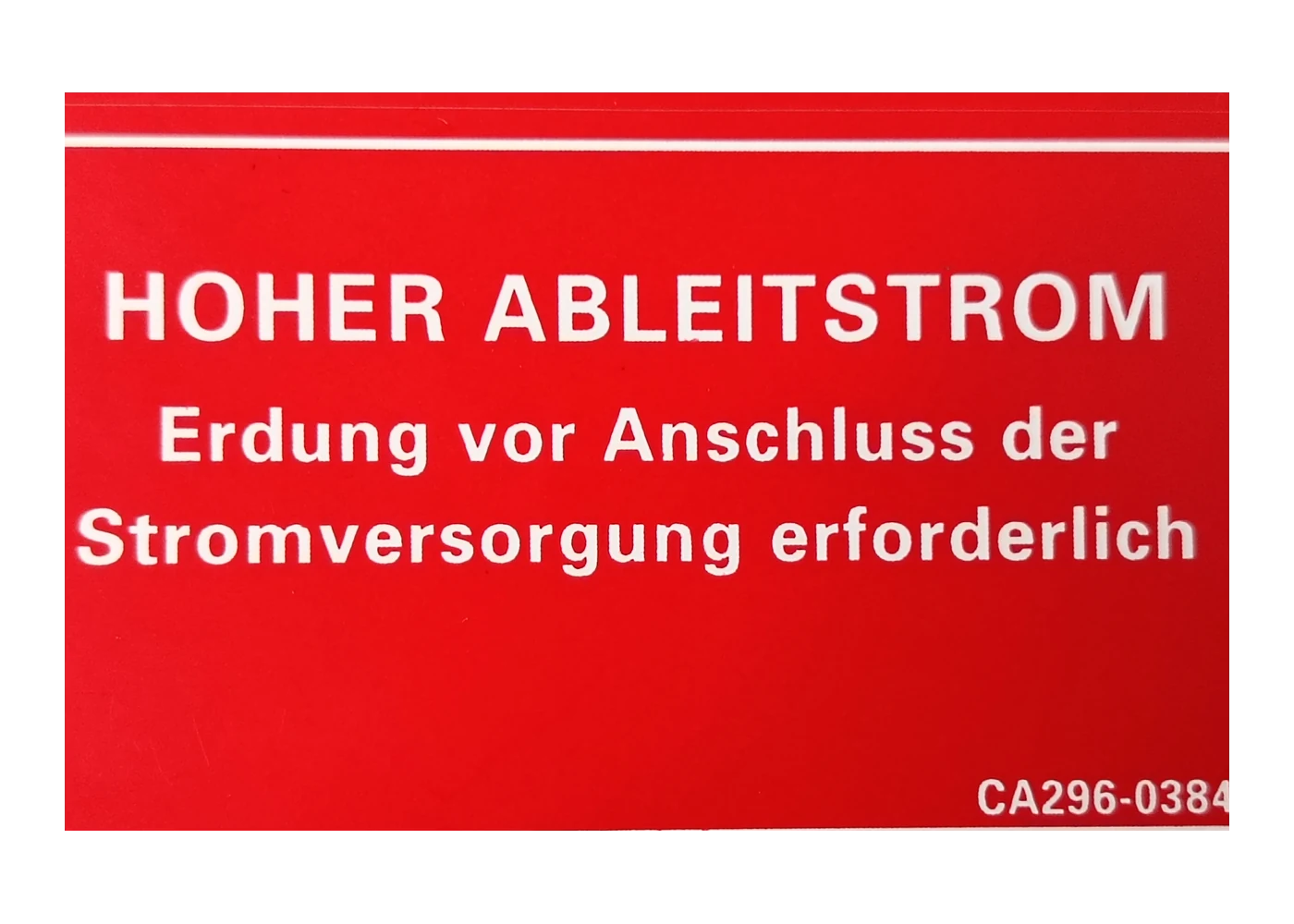
Compare a flat printed identification label with the raised resin-badge route.
Review Product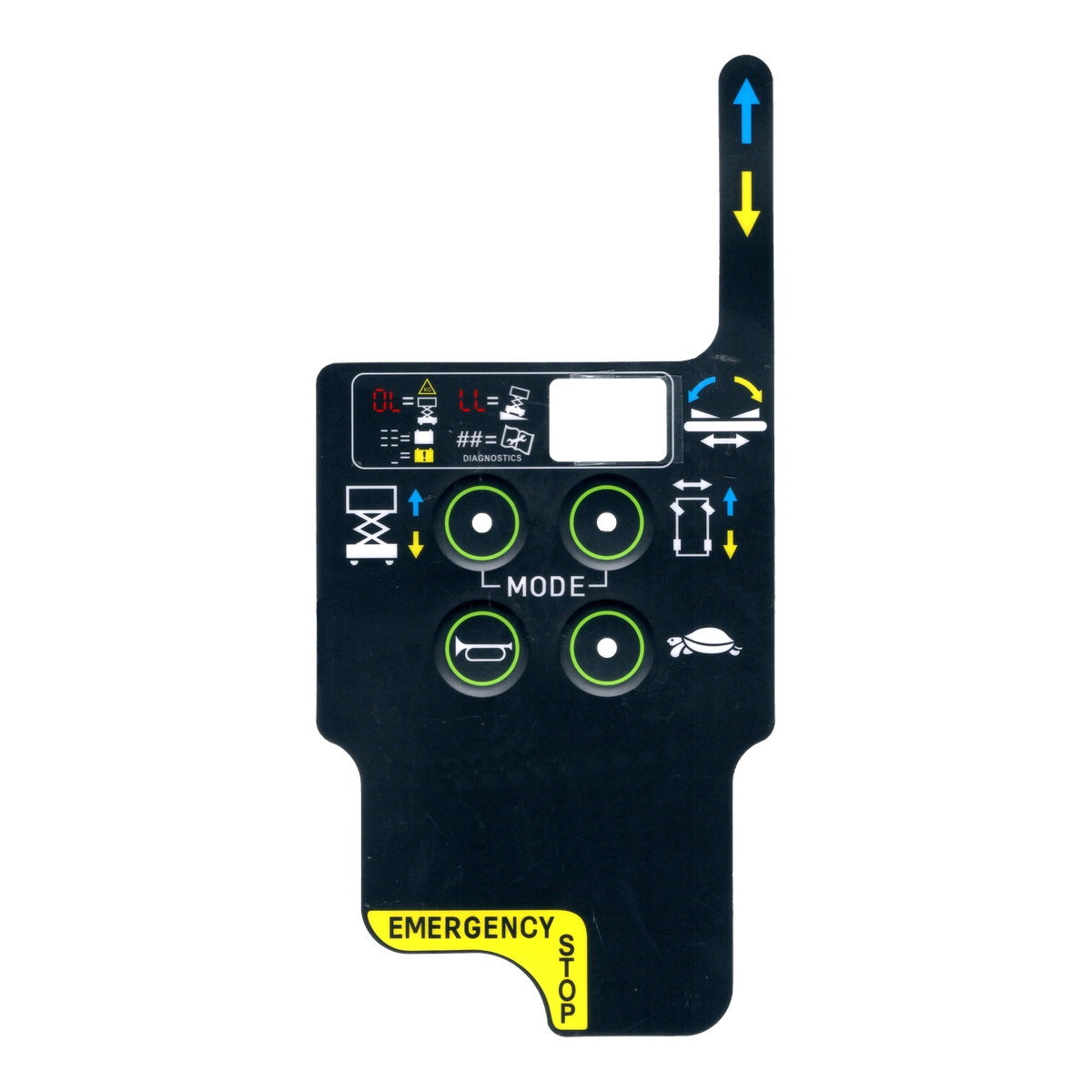
Review when the printed face also carries keys, windows, operator guidance, or interface alignment.
Review Product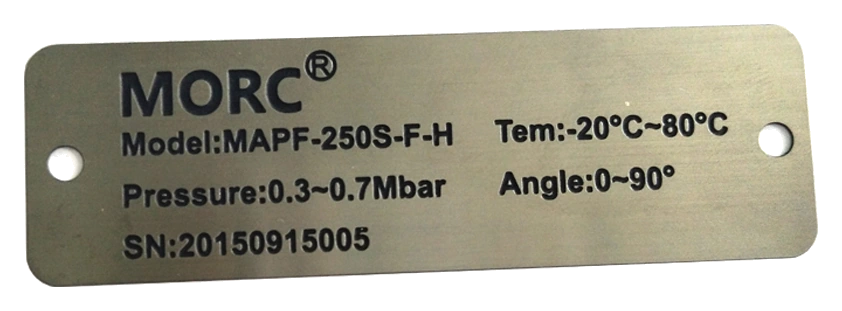
Compare permanent metal identification when heat, abrasion, or mounting method drives the route.
Review ProductJASPER can review the artwork, resin route, carrier, dome profile, adhesive, surface, exposure, packaging, and first-article evidence as one production package.
Share the project basics. JASPER will review the stack, materials, connector, quantity, and production risks.