Graphic Overlays
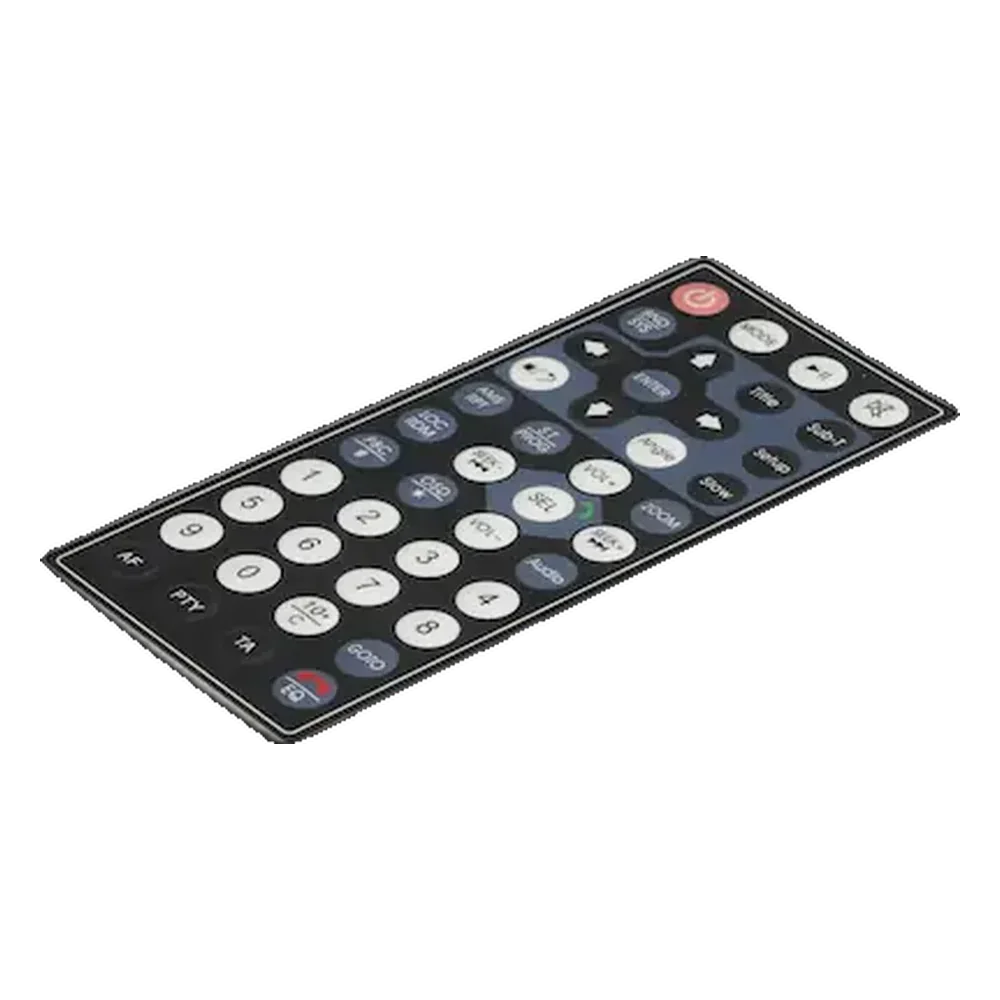
A graphic overlay is the user-facing layer of a control panel. It carries legends, colors, windows, icons, dead-front graphics, texture, and protective film performance. A good overlay protects the interface while making the product easier to operate.
- control panel overlays for instruments and machines
- display windows and LED indicator labels
- replacement front panels for OEM equipment
- dead-front icons and brand-specific control surfaces
Engineering reference
When this product fits
A graphic overlay is the user-facing layer of a control panel. It carries legends, colors, windows, icons, dead-front graphics, texture, and protective film performance. A good overlay protects the interface while making the product easier to operate.
- control panel overlays for instruments and machines
- display windows and LED indicator labels
- replacement front panels for OEM equipment
- dead-front icons and brand-specific control surfaces
Engineering reference
Engineering notes before tooling
PET is usually preferred for flex and chemical resistance. Polycarbonate can print beautifully but needs care around flexing, cleaning chemicals, and outdoor exposure.
Window clarity depends on film, ink stack, hard coat, and adhesive, not only the transparent opening in the artwork.
Color matching should be reviewed under the lighting where the equipment is used.
If the overlay covers LEDs, request a light leak review before mass production.
Engineering reference
Common failure points
artwork files without layer names or cut lines
display windows placed too close to adhesive edges
uncontrolled matte/gloss contrast around touch areas
cleaning chemicals not declared during RFQ
Engineering reference
What to send for RFQ
Engineering reference
Related design guidance
FAQ
Questions buyers usually ask
What affects the cost of graphic overlays?
Main drivers include material, printed colors, tooling, dome or LED count, connector, adhesive stack, test requirement, and order quantity.
What should be tested at sample stage?
Check continuity, appearance, actuation feel, tail bend, adhesive fit, window clarity, LED visibility, and any IP or cleaning requirement in the real enclosure.
When is this design not recommended?
It is not recommended when the required travel, current load, serviceability, temperature, or mechanical abuse exceeds what a thin interface stack can handle.
RFQ support
Send a drawing before the design is locked.
For graphic overlays, the useful review happens before tail exit, connector, adhesive, and artwork decisions become expensive to change.