Capacitive Touch Panels
A capacitive touch panel is useful when the product needs a smooth sealed surface, no moving keys, and a modern HMI feel. It is less forgiving than a basic membrane switch when grounding, firmware, gloves, water, or thick overlays are involved.
- sealed appliance controls
- medical and lab equipment with clean front panels
- industrial HMI panels with fewer moving parts
- premium controls where flat surface appearance matters
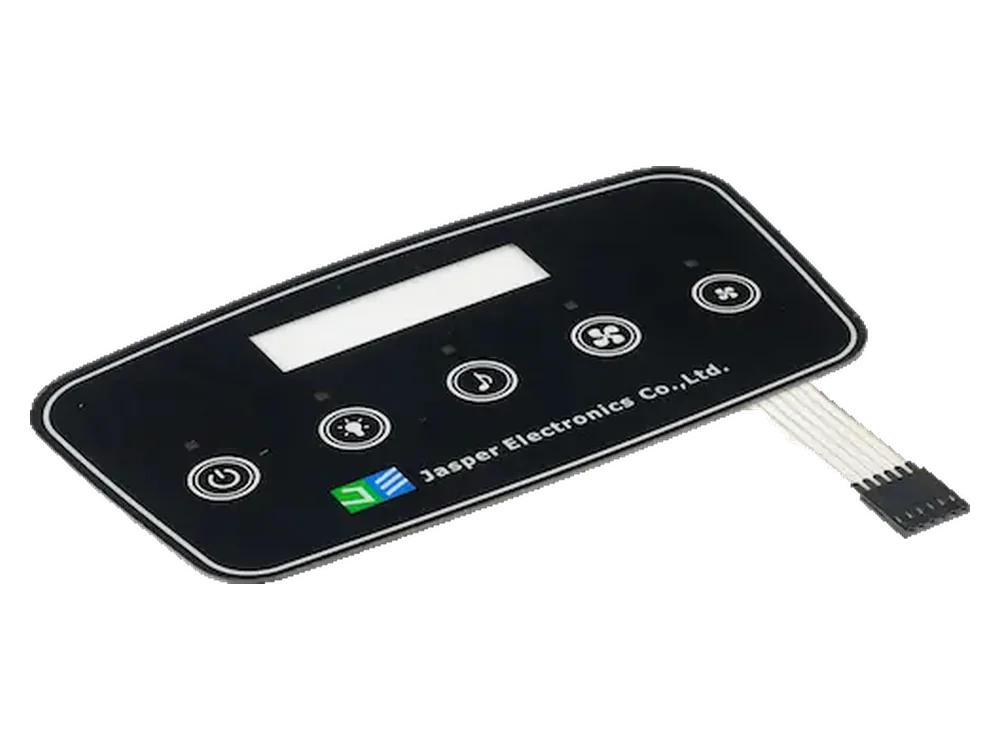
Engineering reference
When this product fits
A capacitive touch panel is useful when the product needs a smooth sealed surface, no moving keys, and a modern HMI feel. It is less forgiving than a basic membrane switch when grounding, firmware, gloves, water, or thick overlays are involved.
- sealed appliance controls
- medical and lab equipment with clean front panels
- industrial HMI panels with fewer moving parts
- premium controls where flat surface appearance matters
Engineering reference
Engineering notes before tooling
Confirm overlay thickness, front material, grounding, and controller before artwork is locked.
Water handling is not automatic. A wet front panel can create false touches if the sensor layout and firmware are not tuned.
Glove operation should be tested with the real glove material.
If EMC requirements are strict, do not treat the sensor tail as an afterthought.
Engineering reference
Common failure points
touch keys placed too close to metal bezels
controller selected after mechanical design is frozen
thick front panels without sensitivity review
water film and glove behavior not tested in samples
Engineering reference
What to send for RFQ
Engineering reference
Related design guidance
FAQ
Questions buyers usually ask
What affects the cost of capacitive touch panels?
Main drivers include material, printed colors, tooling, dome or LED count, connector, adhesive stack, test requirement, and order quantity.
What should be tested at sample stage?
Check continuity, appearance, actuation feel, tail bend, adhesive fit, window clarity, LED visibility, and any IP or cleaning requirement in the real enclosure.
When is this design not recommended?
It is not recommended when the required travel, current load, serviceability, temperature, or mechanical abuse exceeds what a thin interface stack can handle.
RFQ support
Send a drawing before the design is locked.
For capacitive touch panels, the useful review happens before tail exit, connector, adhesive, and artwork decisions become expensive to change.