Tactile Membrane Switches
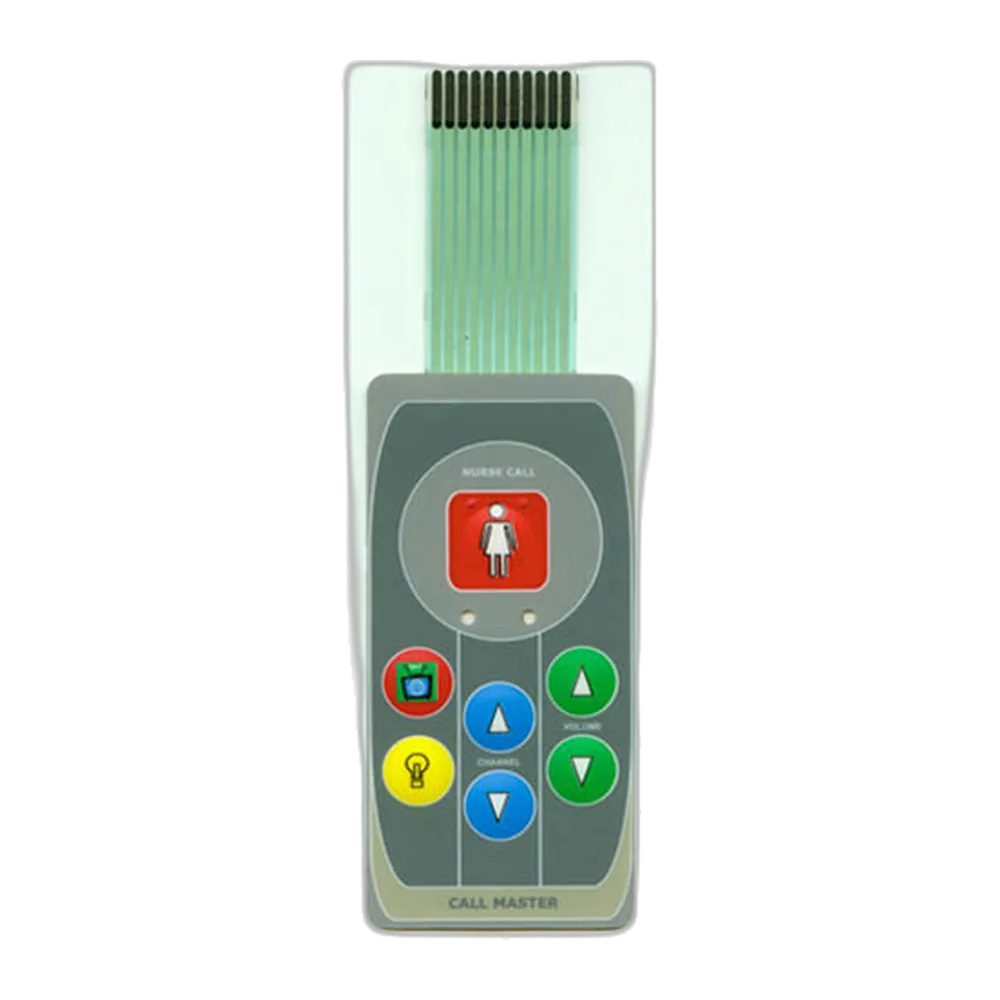
A tactile membrane switch uses metal domes or formed structures to give a snap feel. It helps operators know that a key has actuated, but the dome choice must match the overlay, spacer, actuation force, and expected life cycle.
- operator panels where feedback reduces input errors
- instrument keypads used with gloves
- industrial equipment with frequent function keys
- control panels where audible or physical feedback is expected
Engineering reference
When this product fits
A tactile membrane switch uses metal domes or formed structures to give a snap feel. It helps operators know that a key has actuated, but the dome choice must match the overlay, spacer, actuation force, and expected life cycle.
- operator panels where feedback reduces input errors
- instrument keypads used with gloves
- industrial equipment with frequent function keys
- control panels where audible or physical feedback is expected
Engineering reference
Engineering notes before tooling
Force curves matter more than a single gram-force number.
Embossing and dome height must be coordinated. Too much stack height can feel harsh or reduce life.
Large keys may need special support so the edge press still actuates reliably.
If the product is used in quiet environments, confirm audible snap is acceptable.
Engineering reference
Common failure points
dome too close to cutout or window
actuation force not tested after adhesive bonding
operator presses key edge instead of center
life cycle target missing from purchase spec
Engineering reference
What to send for RFQ
Engineering reference
Related design guidance
FAQ
Questions buyers usually ask
What affects the cost of tactile membrane switches?
Main drivers include material, printed colors, tooling, dome or LED count, connector, adhesive stack, test requirement, and order quantity.
What should be tested at sample stage?
Check continuity, appearance, actuation feel, tail bend, adhesive fit, window clarity, LED visibility, and any IP or cleaning requirement in the real enclosure.
When is this design not recommended?
It is not recommended when the required travel, current load, serviceability, temperature, or mechanical abuse exceeds what a thin interface stack can handle.
RFQ support
Send a drawing before the design is locked.
For tactile membrane switches, the useful review happens before tail exit, connector, adhesive, and artwork decisions become expensive to change.