HMI Assemblies
An HMI assembly combines the visible interface and the electrical switching or touch structure. It can include overlay, membrane circuit, LED windows, rubber keypad, display window, PCB, FPC, connector, gasket, and adhesive stack.
- equipment front panels shipped as a ready-to-install assembly
- control interfaces that need display windows and sealed keys
- OEM builds where supplier coordination is causing delays
- panels that combine graphic overlay, circuit, and mechanical fit
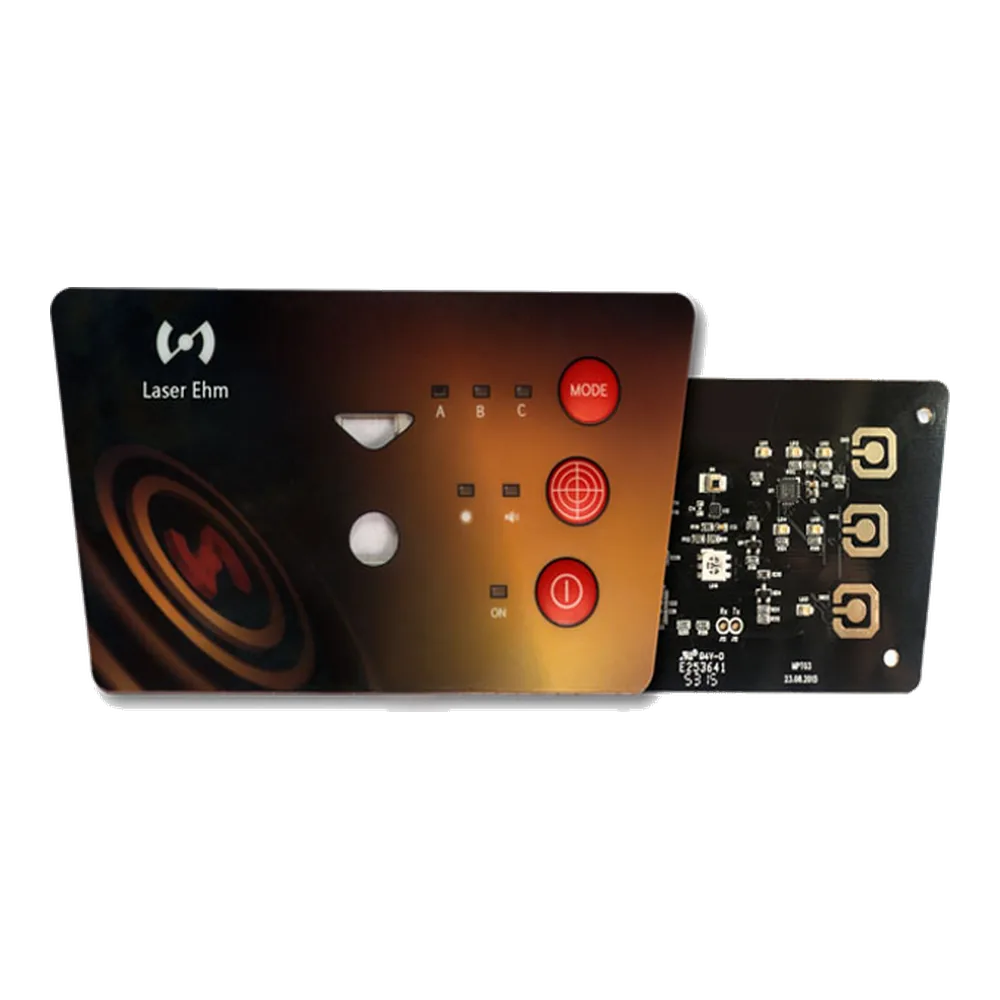
Engineering reference
When this product fits
An HMI assembly combines the visible interface and the electrical switching or touch structure. It can include overlay, membrane circuit, LED windows, rubber keypad, display window, PCB, FPC, connector, gasket, and adhesive stack.
- equipment front panels shipped as a ready-to-install assembly
- control interfaces that need display windows and sealed keys
- OEM builds where supplier coordination is causing delays
- panels that combine graphic overlay, circuit, and mechanical fit
Engineering reference
Engineering notes before tooling
Assembly tolerance is the main issue. Overlay, PCB, enclosure bosses, window adhesive, and tail route all stack together.
If a display is included, review window bonding, viewing area, dust control, and serviceability.
A single supplier can reduce handoff errors, but only if the drawing package is controlled.
Samples should be checked in the actual housing, not only as loose parts.
Engineering reference
Common failure points
connector position conflicts with enclosure ribs
display window dust or adhesive squeeze-out
unmatched tolerances between overlay and PCB
late change to gasket or adhesive thickness
Engineering reference
What to send for RFQ
Engineering reference
Related design guidance
FAQ
Questions buyers usually ask
What affects the cost of HMI assemblies?
Main drivers include material, printed colors, tooling, dome or LED count, connector, adhesive stack, test requirement, and order quantity.
What should be tested at sample stage?
Check continuity, appearance, actuation feel, tail bend, adhesive fit, window clarity, LED visibility, and any IP or cleaning requirement in the real enclosure.
When is this design not recommended?
It is not recommended when the required travel, current load, serviceability, temperature, or mechanical abuse exceeds what a thin interface stack can handle.
RFQ support
Send a drawing before the design is locked.
For HMI assemblies, the useful review happens before tail exit, connector, adhesive, and artwork decisions become expensive to change.